Freshwater
Persicaria hydropiperoides
Polygonaceae
Polygonaceae
Lives wild in Argentina, Bahamas, Belize, Bolivia, Brazil, Canada, Cayman Islands, Chile, and 19 more countries.
Introduced to Russia, Spain, and Transcaucasus.
Persicaria hydropiperoides, commonly called swamp smartweed, mild waterpepper, false waterpepper, or sometimes simply waterpepper, is a species of flowering plant in the buckwheat family. It has a widespread distribution across much of North America and South America. Its preferred habitat is in moist, saturated to inundated soils growing in full sun to partial shade; such as swamp forests, marshes, streams, shorelines, and ditches. It is sometimes semi-aquatic. Swamp smartweed is quite variable and is sometimes divided into several varieties, some of which may be better treated as species in their own right. In general, swamp smartweed is a rhizomatous perennial herb growing upright or erect and approaching a maximum height of one meter (40 inches). Roots may emerge from nodes on the lower stem. The bristly lance-shaped leaves are around 10 centimeters (4 inches) long. The leaves have sheathing stipules known as ochreae. The spike-like inflorescence produces many pinkish flowers each about 3 millimeters wide. Swamp smartweed is reported to be edible, as are all species in the genus Persicaria. Although its close relatives Persicaria hydropiper and Persicaria punctata are known to possess a hot or pungent quality when consumed, swamp smartweed is said to lack the same pungency by at least one author.
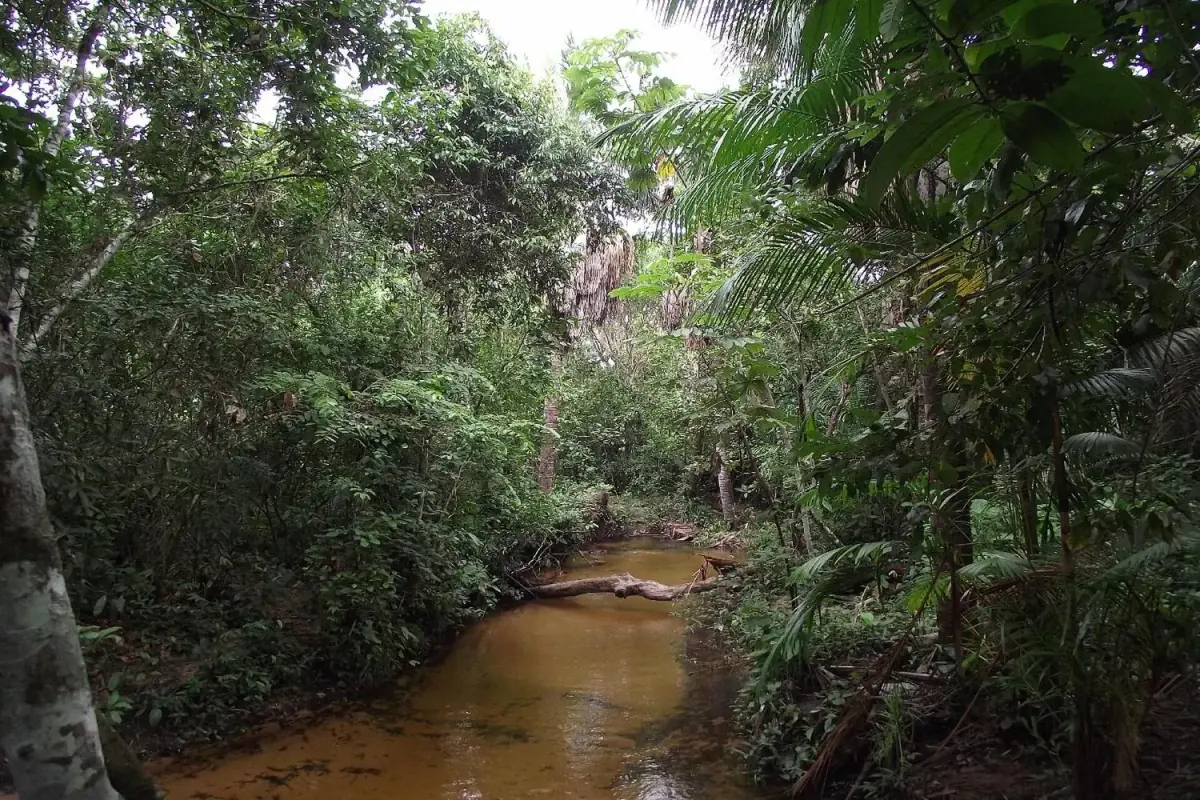
Soft, acidic water, subdued light, sand, roots and fallen leaves: how to set up a biotope aquarium from the Amazon and the rivers around it.
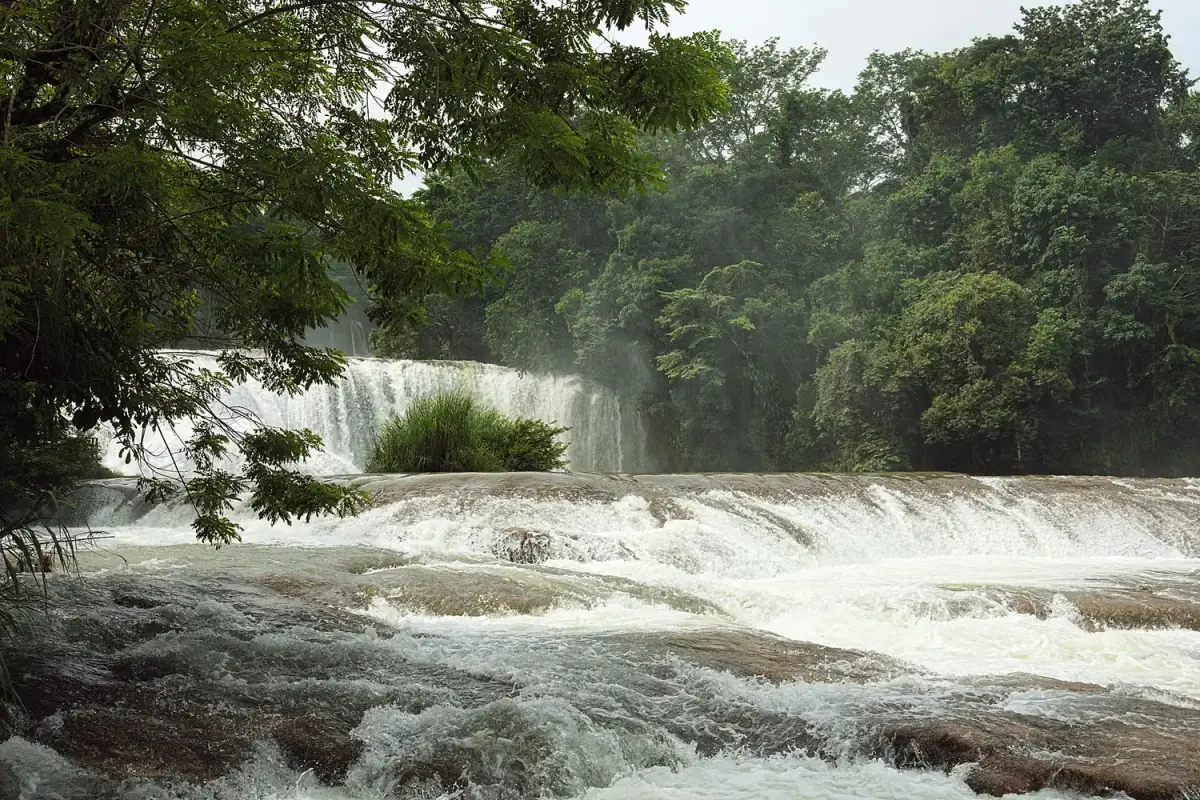
Hard, alkaline water, sand and rock: an aquarium from the rivers and lakes of Mexico and Central America, with cichlids and livebearers.
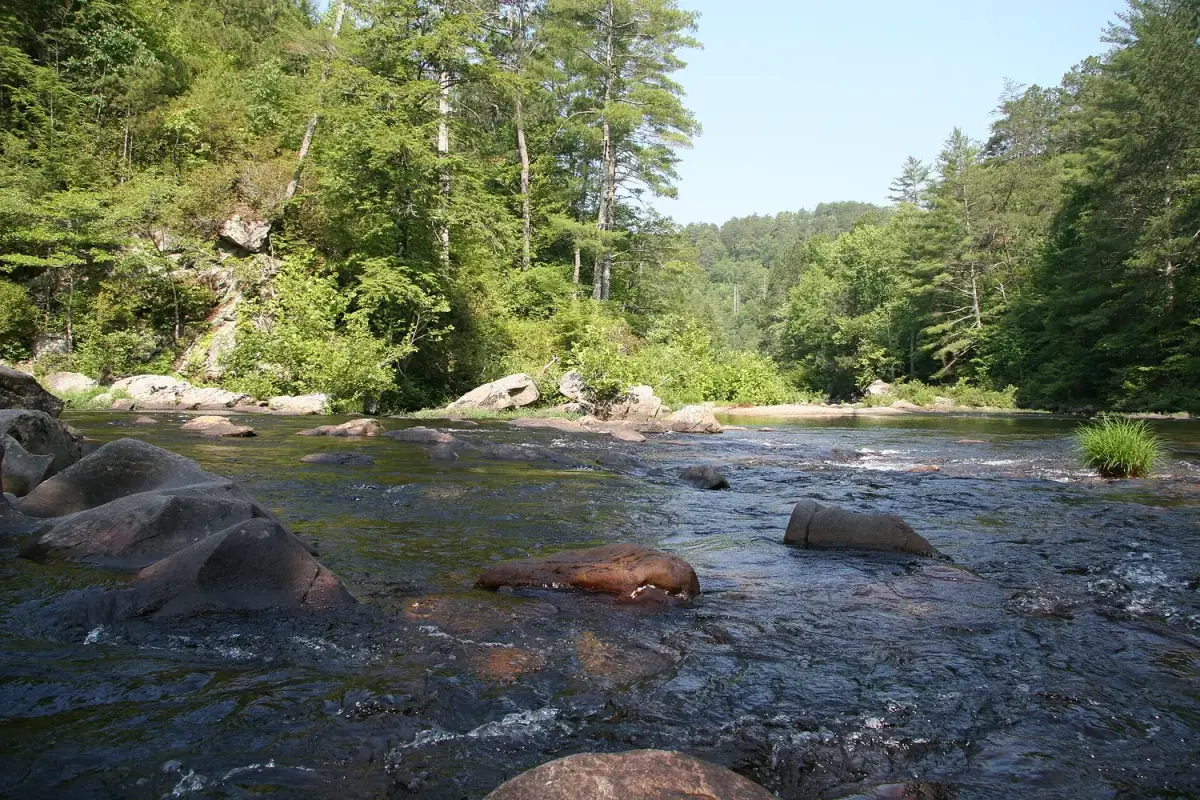
Streams and ponds in North America are often cool. How to set up an aquarium without a heater, with pygmy sunfish, shiners and darters.
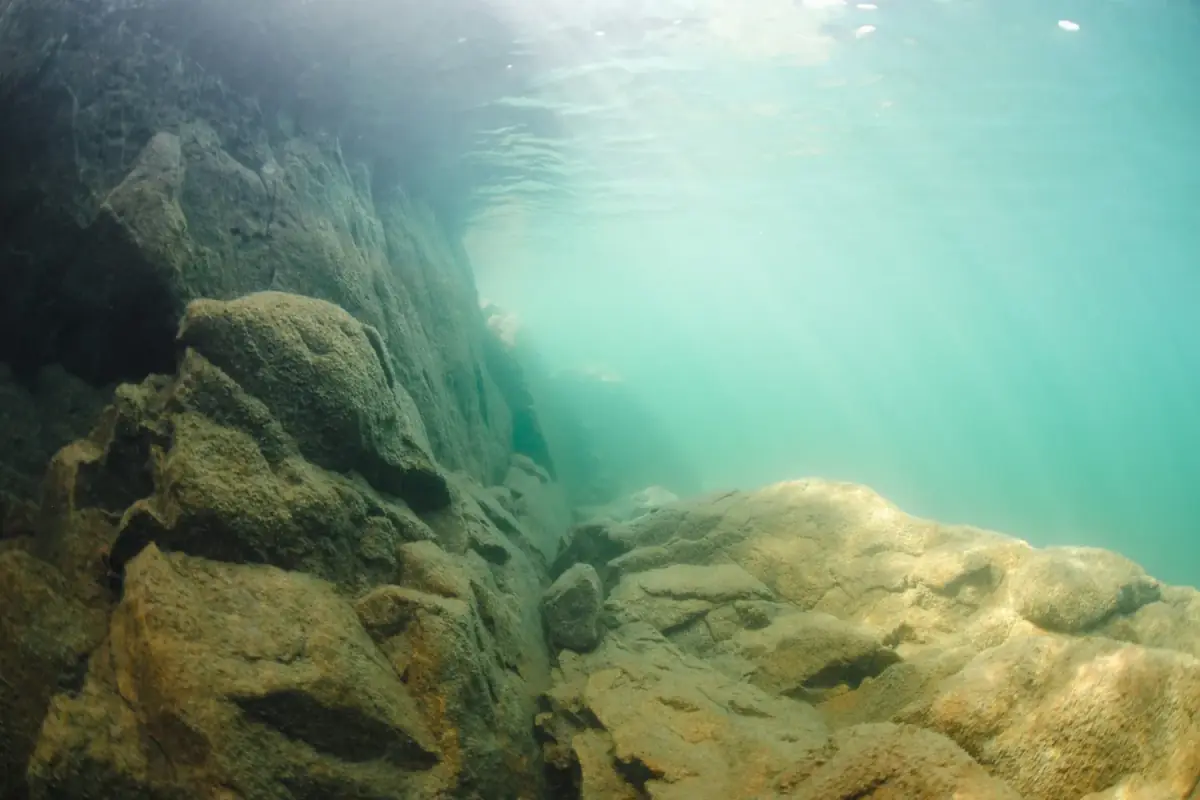
A coldwater aquarium with European fish and plants, without a heater. The water follows the seasons, and summer heat is the biggest problem.