Freshwater
Waterwheel
Aldrovanda vesiculosa
Droseraceae
Aldrovanda vesiculosa
Droseraceae
Lives wild in Australia, Bangladesh, Botswana, Burundi, Cambodia, Cameroon, Chad, China, and 21 more countries.
Introduced to Switzerland and United States.
DiscoveryPlanetJan 12, 2015
Aldrovanda vesiculosa, commonly known as the waterwheel plant, is the sole extant species in the flowering plant genus Aldrovanda of the family Droseraceae. The plant captures small aquatic invertebrates using traps similar to those of the Venus flytrap. The traps are arranged in whorls around a central, free-floating stem, giving rise to the common name. This is one of the few plant species capable of rapid movement. While the genus Aldrovanda is now monotypic, up to 19 extinct species are known in the fossil record. While the species displays a degree of morphological plasticity between populations, A. vesiculosa possesses a very low genetic diversity across its entire range. A. vesiculosa has declined over the last century to only 50 confirmed extant populations worldwide. These are spread across Europe, Africa, Asia, and Australia. However, potentially invasive populations exist in the eastern United States. It is kept by hobbyists.
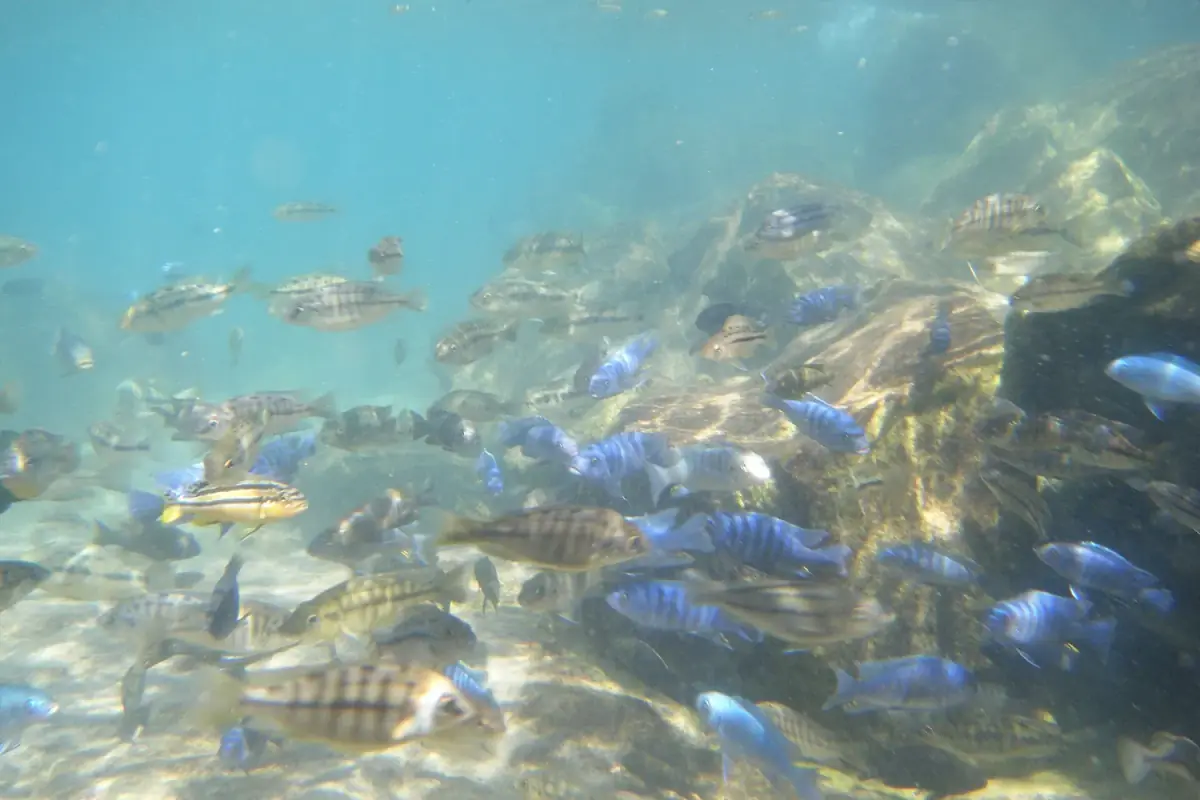
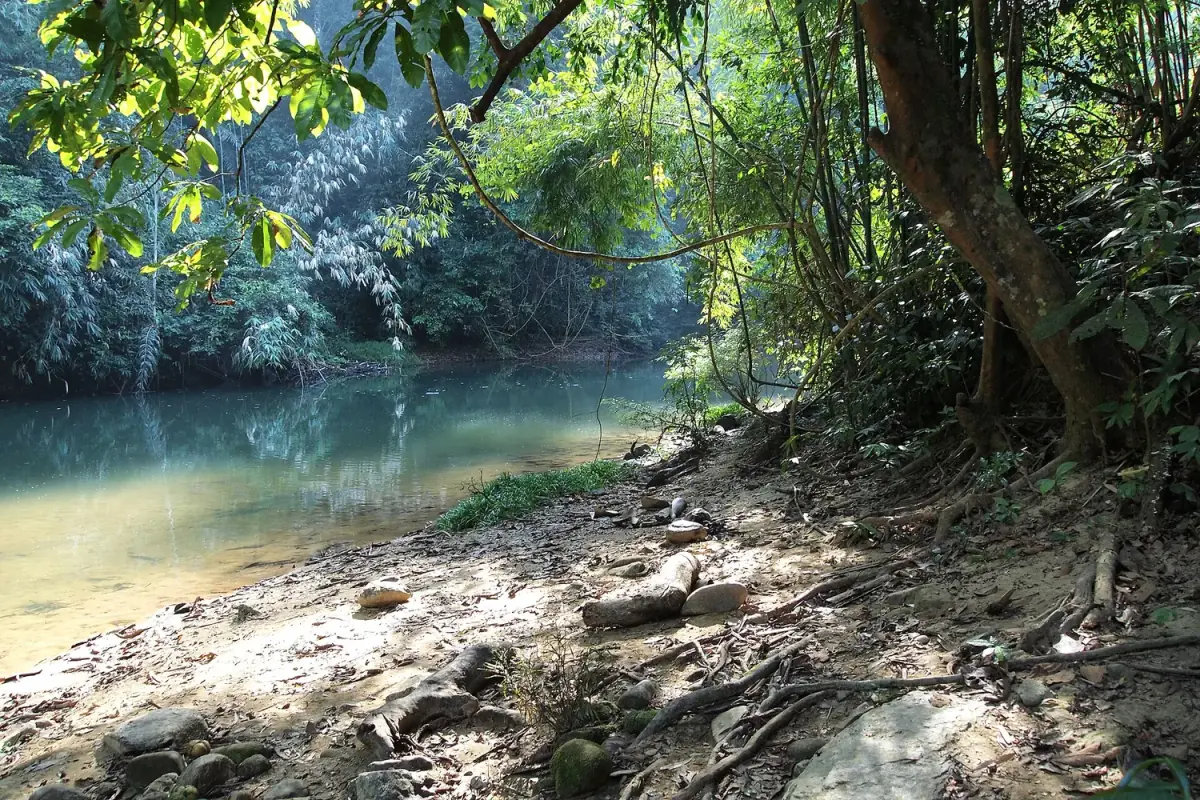
Two completely different aquariums: forest rivers with soft, brown water, roots and leaves, and Rift Valley lake cichlids in hard, alkaline water with big rock piles.
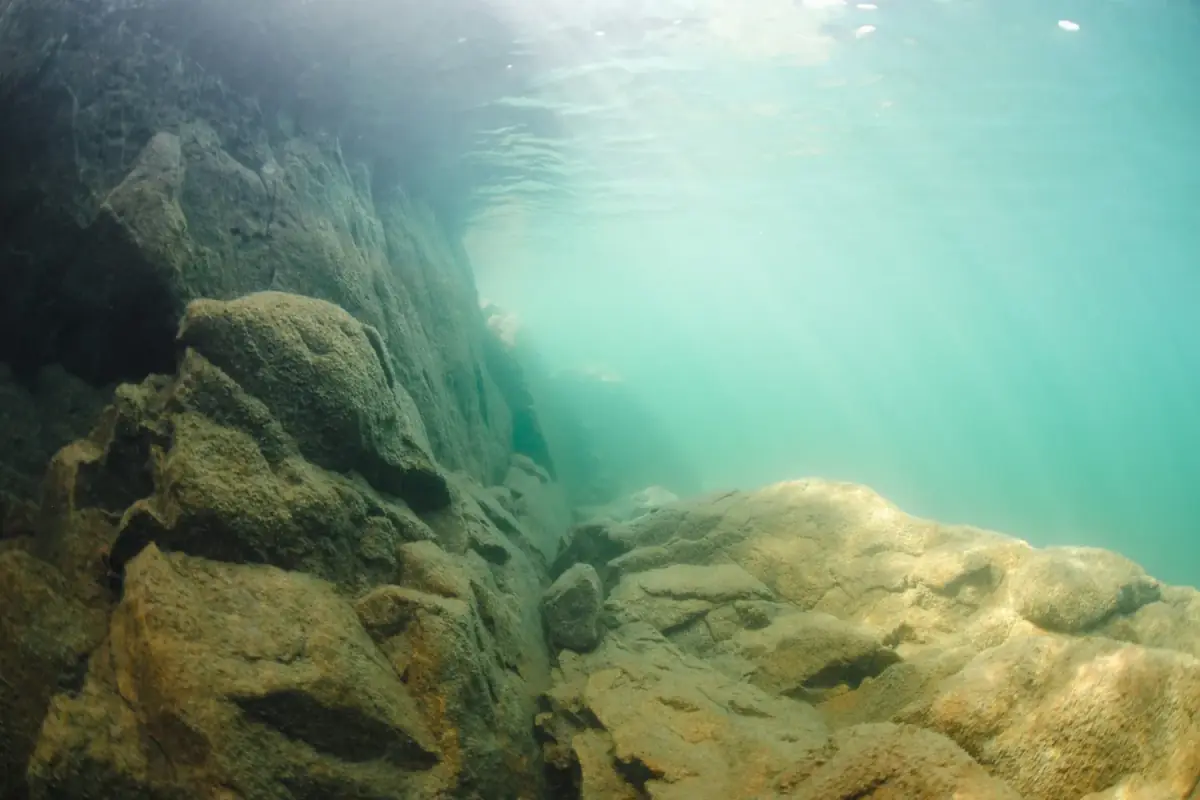
Two aquariums from Southeast Asia: calm forest streams and peat swamps with soft, brown water, and fast mountain streams with cool, oxygen-rich water.
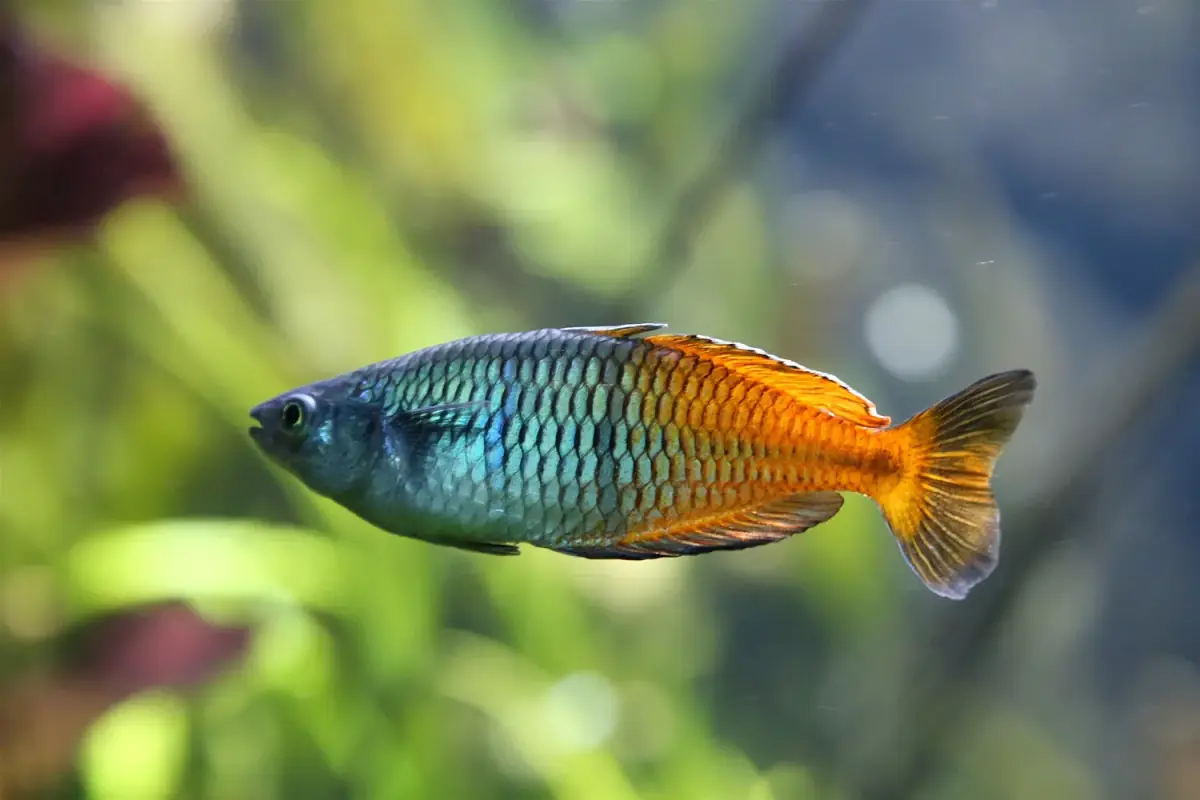
The home of rainbowfish: water, substrate, plants and light for rainbowfish, blue-eyes and peacock gudgeons, with a long aquarium and open water in the middle.
A coldwater aquarium with European fish and plants, without a heater. The water follows the seasons, and summer heat is the biggest problem.