Freshwater
Water shield
Brasenia schreberi
Cabombaceae
Brasenia schreberi
Cabombaceae
Lives wild in Angola, Australia, Bangladesh, Belize, Botswana, Burundi, Cameroon, Canada, and 26 more countries.
Introduced to Russia.
Brasenia is a genus belonging to the family Cabombaceae, consisting of one species, Brasenia schreberi, commonly known as watershield. It is widely distributed in North America, the West Indies, northern South America (Venezuela, Guyana), eastern Asia (China, Japan, Korea, Primorye), Australia, the Indian subcontinent, and parts of Africa. Brasenia is a perennial aquatic plant with floating, peltate leaves and rhizomatous stems. It is identified by its bright green leaves, small purple flowers that bloom from June through September, and a thick mucilage that covers all of the underwater organs, including the underside of the leaves, stems, and developing buds. This mucilage may be an anti-herbivore defence trait, perhaps to deter snail grazing. It grows in shallow water of lakes, rivers and beaver ponds, particularly those with somewhat acidic water.
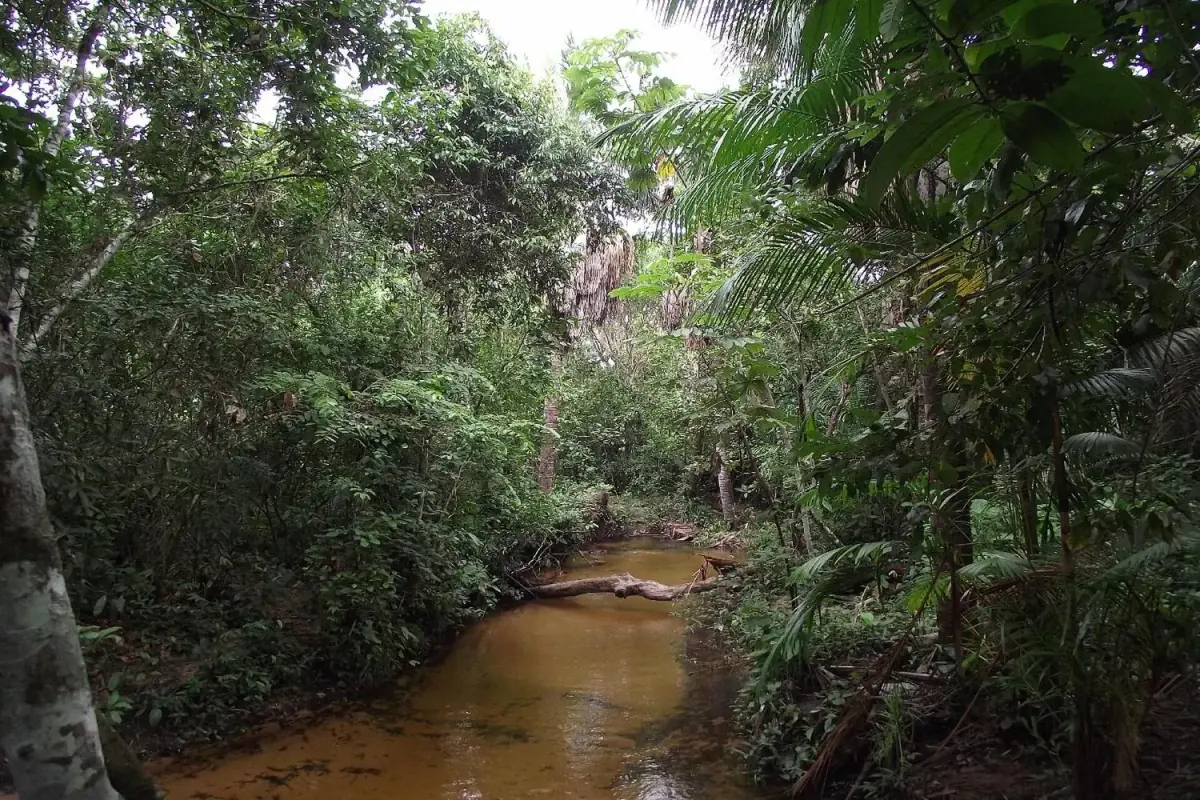
Soft, acidic water, subdued light, sand, roots and fallen leaves: how to set up a biotope aquarium from the Amazon and the rivers around it.
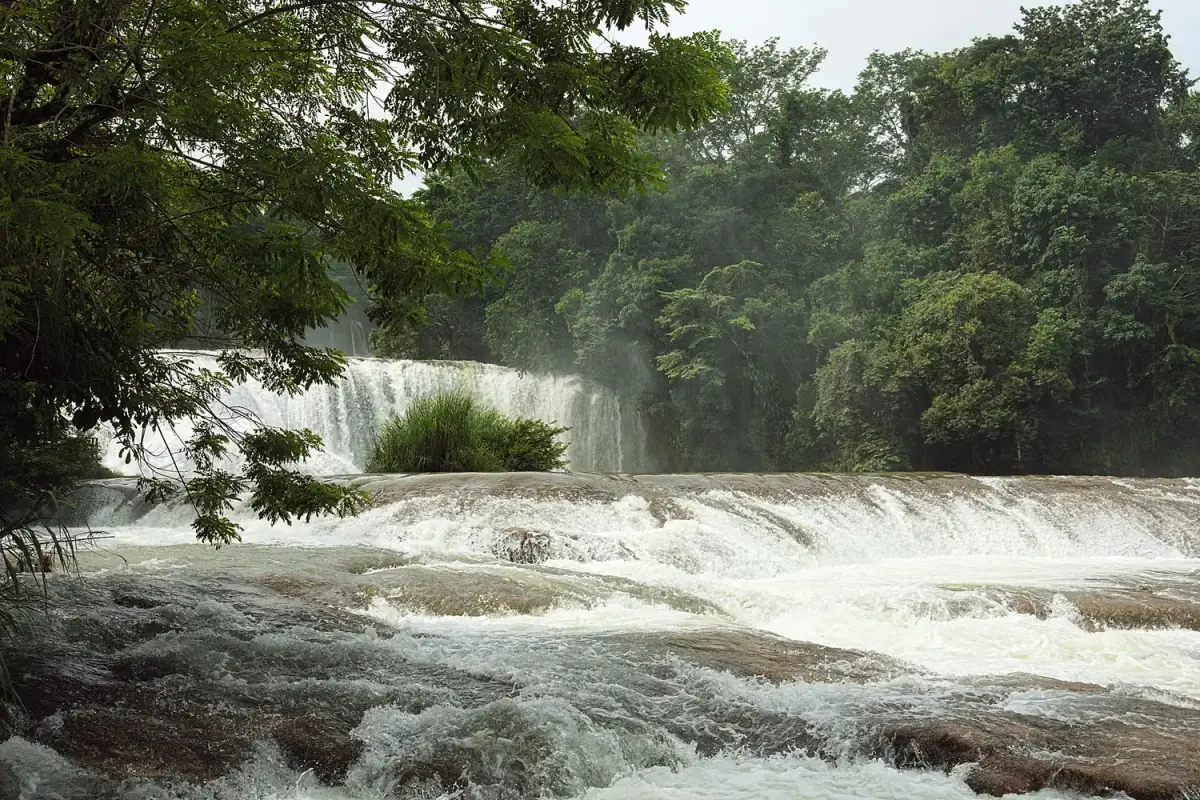
Hard, alkaline water, sand and rock: an aquarium from the rivers and lakes of Mexico and Central America, with cichlids and livebearers.
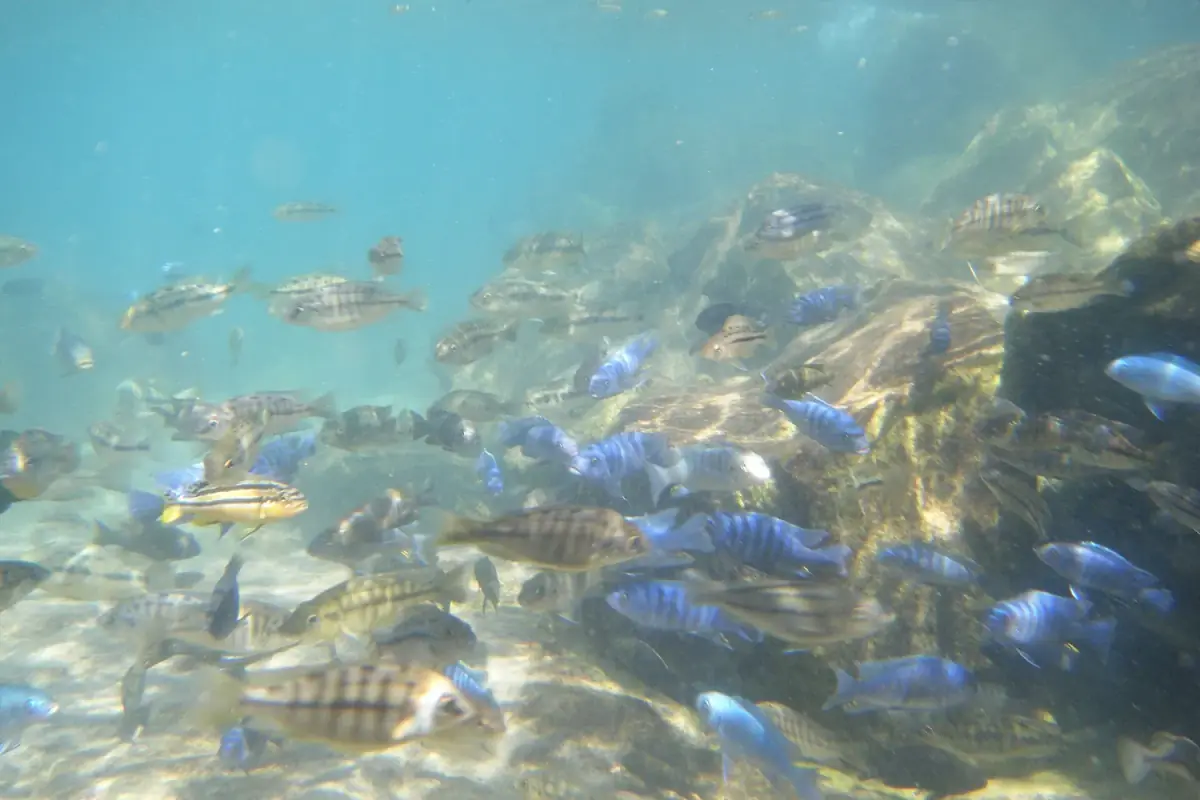
Two completely different aquariums: forest rivers with soft, brown water, roots and leaves, and Rift Valley lake cichlids in hard, alkaline water with big rock piles.
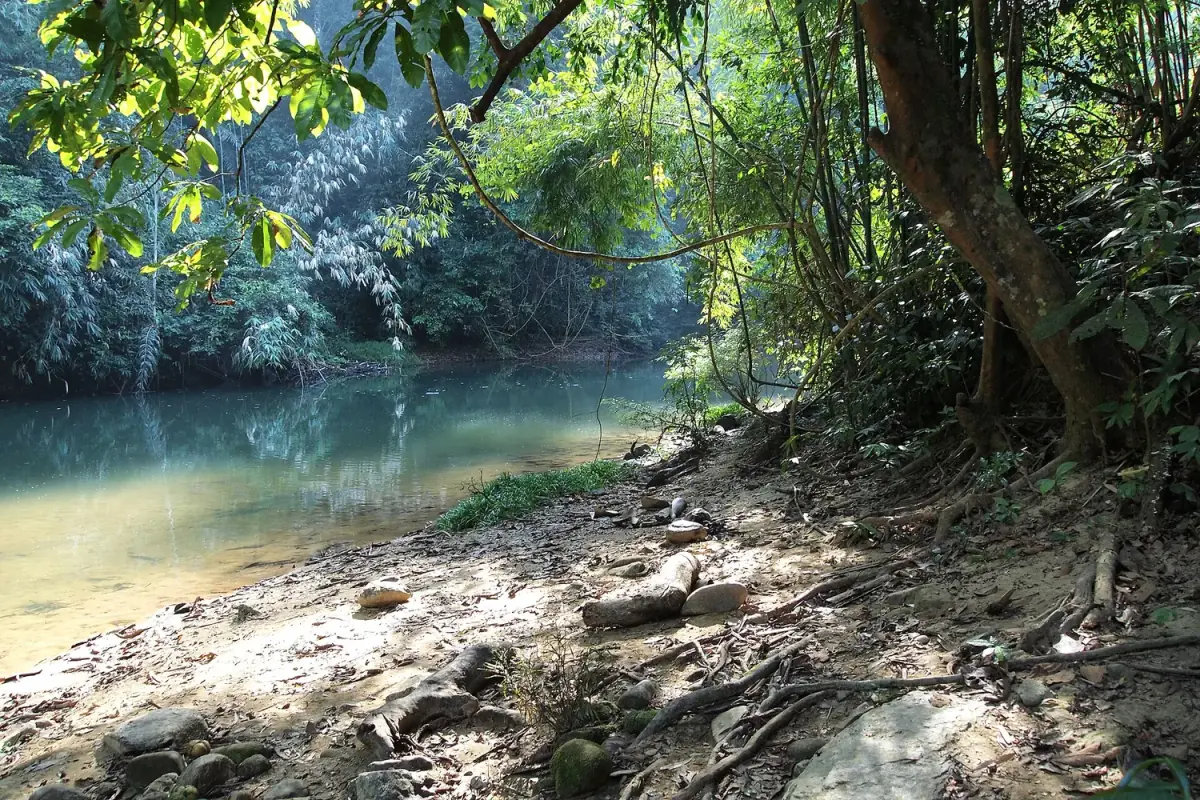
Two aquariums from Southeast Asia: calm forest streams and peat swamps with soft, brown water, and fast mountain streams with cool, oxygen-rich water.