Freshwater
Valley redstem
Ammannia coccinea
Lythraceae
Ammannia coccinea
Lythraceae
Lives wild in Aruba, Australia, Bahamas, Canada, Cayman Islands, Colombia, Costa Rica, Cuba, and 17 more countries.
Introduced to Albania, Argentina, Greece, Hawaii, Japan, Marianas, Peru, Philippines, and 6 more countries.
Ammannia coccinea is a species of flowering plant in the loosestrife family known by several common names, including valley redstem, scarlet toothcup, and purple ammannia. It is native to most of the contiguous United States, with the exception of the Pacific Northwest and New England. It is generally found in moist areas, such as riverbanks and pond margins. It is weedy in some areas. This is an annual herb growing erect to heights approaching one meter or lying along the ground. Leaves are linear in shape, up to 8 centimeters long, and green to shades of deep red in color. The inflorescence is a cluster of 3 to 5 flowers growing in the leaf axils along the upper part of the stem. The rounded flower has small rose to lavender petals each a few millimeters long and protruding stamens with yellow anthers. The fruit is a rounded capsule up to half a centimeter wide containing many tiny seeds.
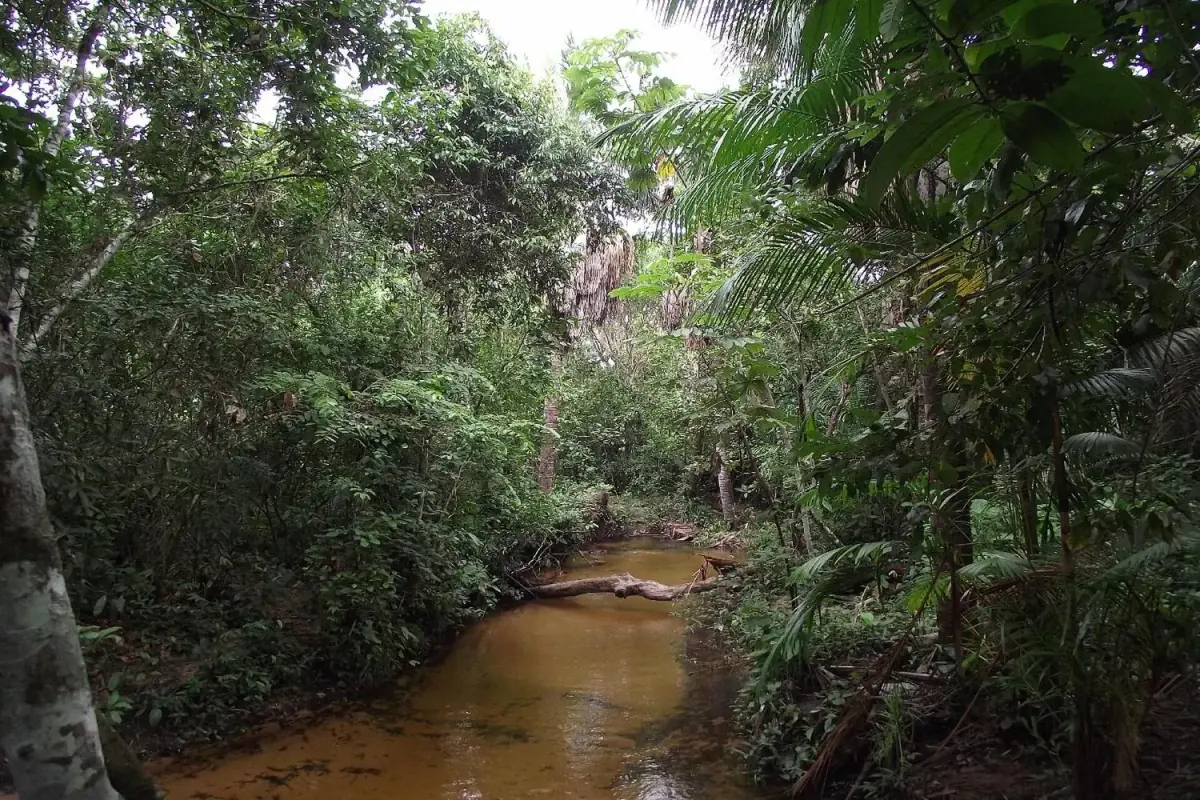
Soft, acidic water, subdued light, sand, roots and fallen leaves: how to set up a biotope aquarium from the Amazon and the rivers around it.
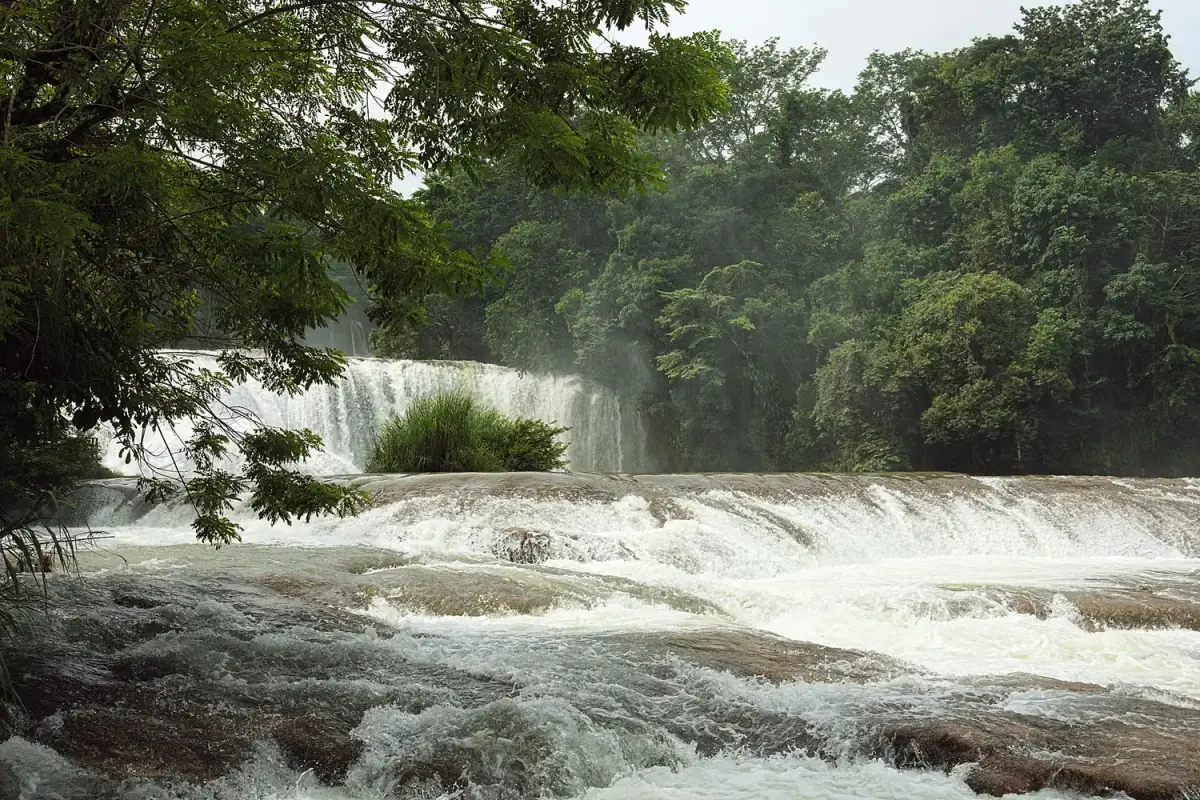
Hard, alkaline water, sand and rock: an aquarium from the rivers and lakes of Mexico and Central America, with cichlids and livebearers.
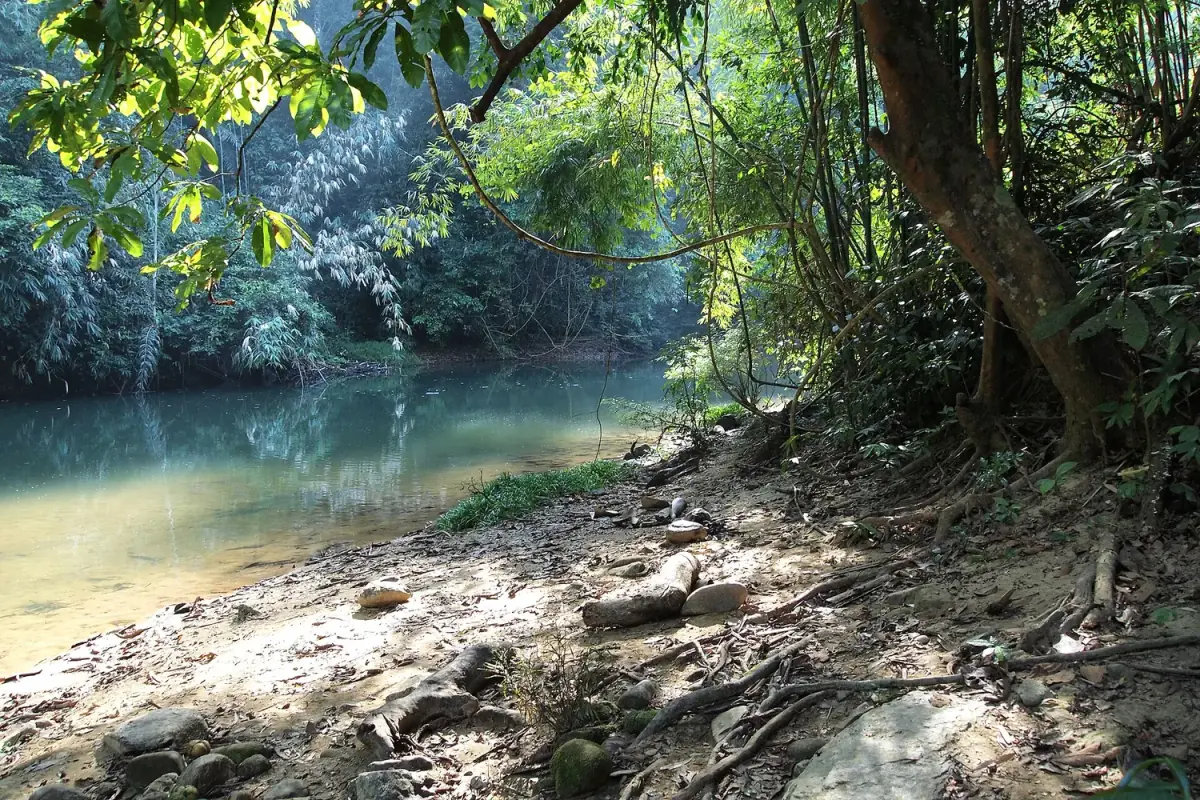
Two aquariums from Southeast Asia: calm forest streams and peat swamps with soft, brown water, and fast mountain streams with cool, oxygen-rich water.
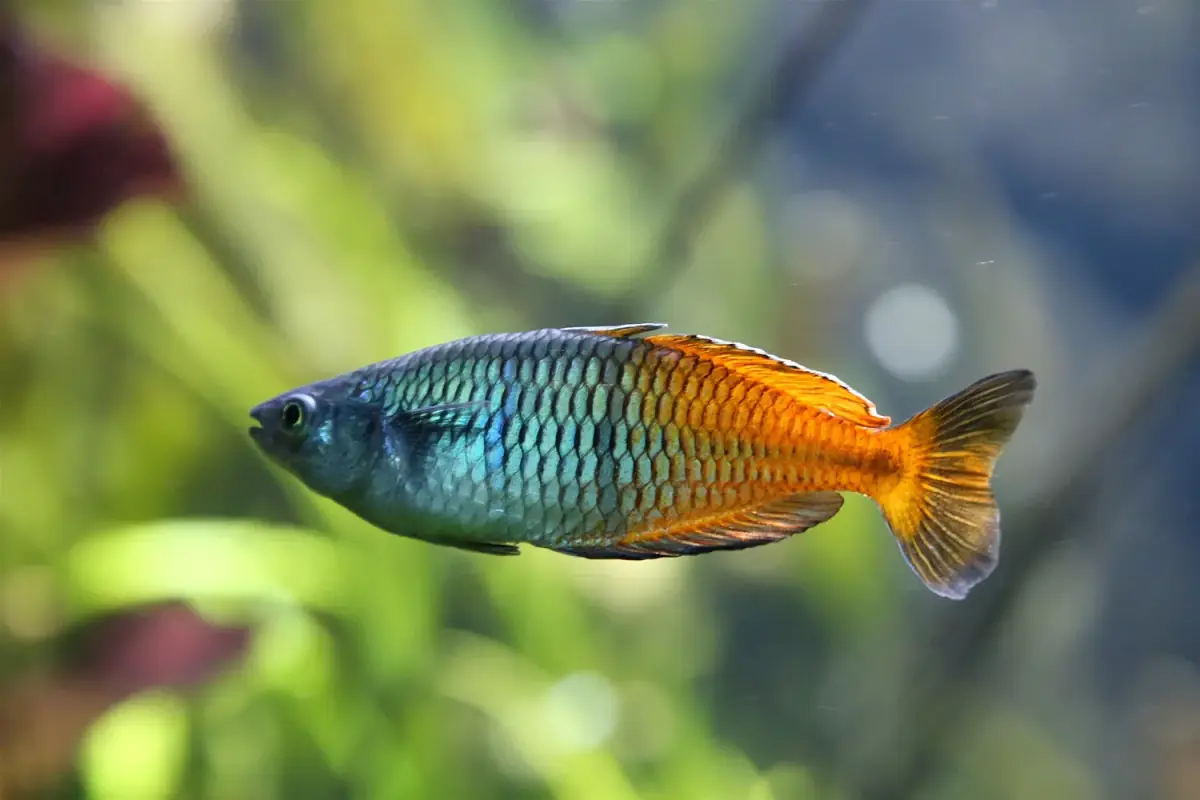
The home of rainbowfish: water, substrate, plants and light for rainbowfish, blue-eyes and peacock gudgeons, with a long aquarium and open water in the middle.