Freshwater
Travancore black stinging catfish
Heteropneustes fuscus
Heteropneustidae
Heteropneustes fuscus
Heteropneustidae
Know what is missing? Suggest it in the app.
Know what is missing? Suggest it in the app.
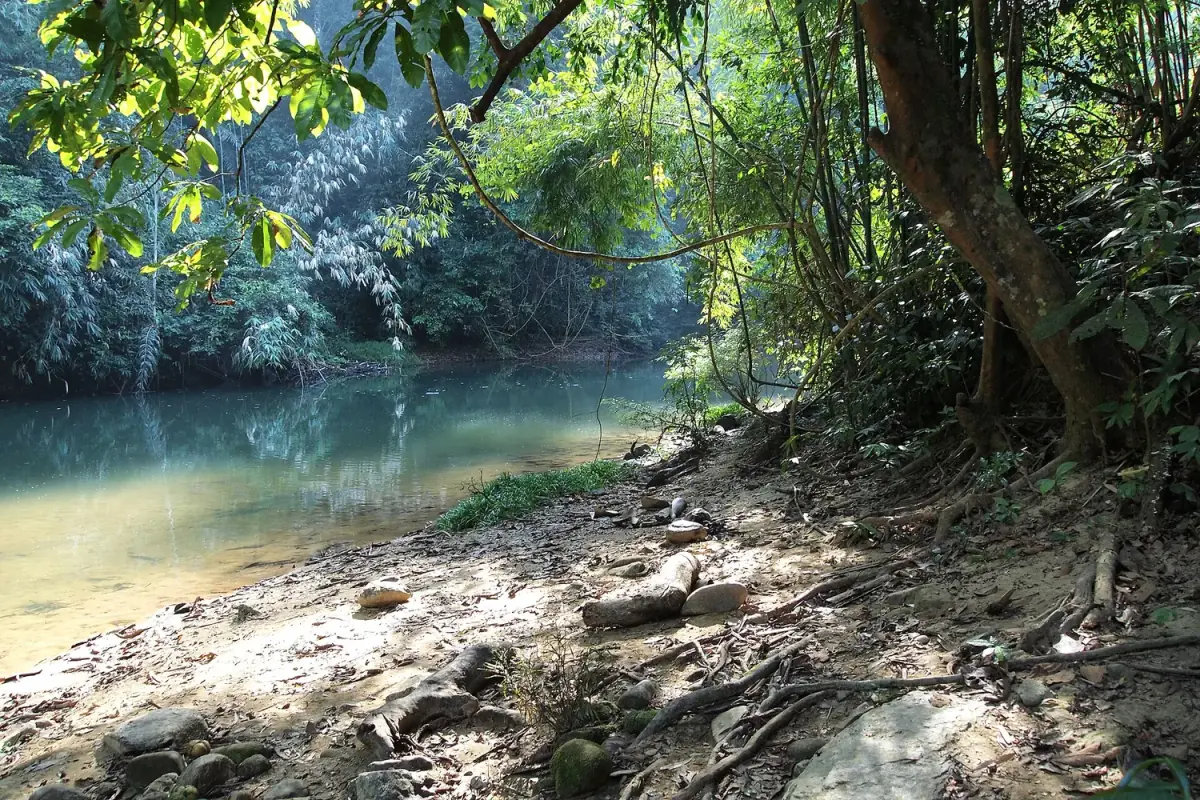
The species was collected from a stream bed dominated by mud sediments; sand occurs as discrete patches within the mud dominant deposits; depth and width of the area are 0.3-0.7 m and 6.0-7.0 m, respectively; the bank height is 2.0-3.0 m above the water level during summer. This area is also covered by dense to moderate riparian vegetation; intermittent occurrence of low riparian vegetation observed at certain places. Major flora includes Ochreinauclea missionis, Hibiscus tiliaceus, Bambusa bambos, B. vulgaris. etc. Associated fish species in the region are the following Haludaria fasciata, Labeo rohita, L. dussumieri, Osteobrama bakeri, Amblypharyngodon microlepis, Rasbora dandia, Dawkinsia filamentosa, Puntius parrah, P. nelsoni, P. viridis, Pethia ticto, Hypselobarbus kurali, Devario malabaricus, Tor khudree, Horabagrus brachysoma, Mystus keralai, Mystus indicus, Wallago attu, Macrognathus albus. It is an economically important catfish in inland capture and culture fisheries. In central Travancore these fishes are caught by gill nets, cast nets, traps and hooks and are sold in large quantities in live condition. Sometimes transported to distant markets, sold alive after several days due to having the air breathing apparatus. Valued as food fish due to its palatability and nutritional quality, and also used as an ornamental fish and found in the aquarium trade.
Two aquariums from Southeast Asia: calm forest streams and peat swamps with soft, brown water, and fast mountain streams with cool, oxygen-rich water.
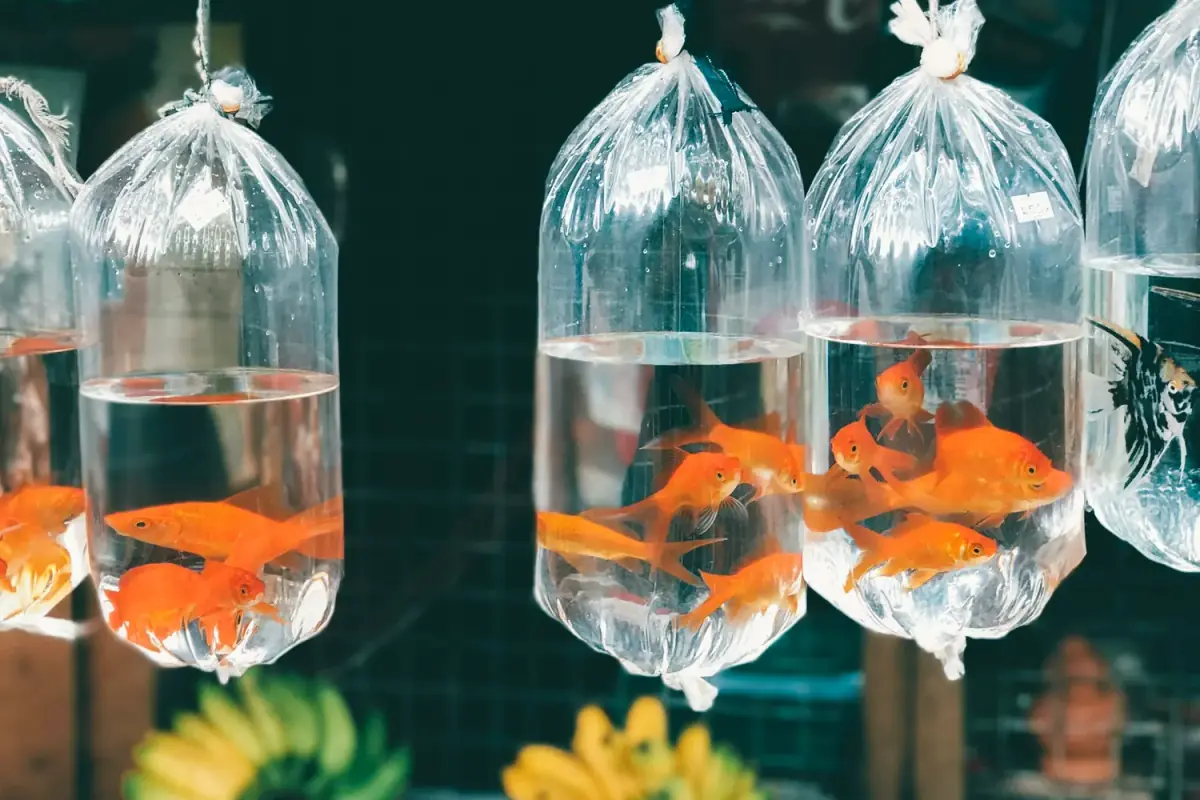
From the store to the tank: how to get the fish used to your water, why you should add only a few at a time, and what to watch for in the first few days.
Why new fish should live in a tank of their own for a few weeks before they move in, what you need, and what to look for.
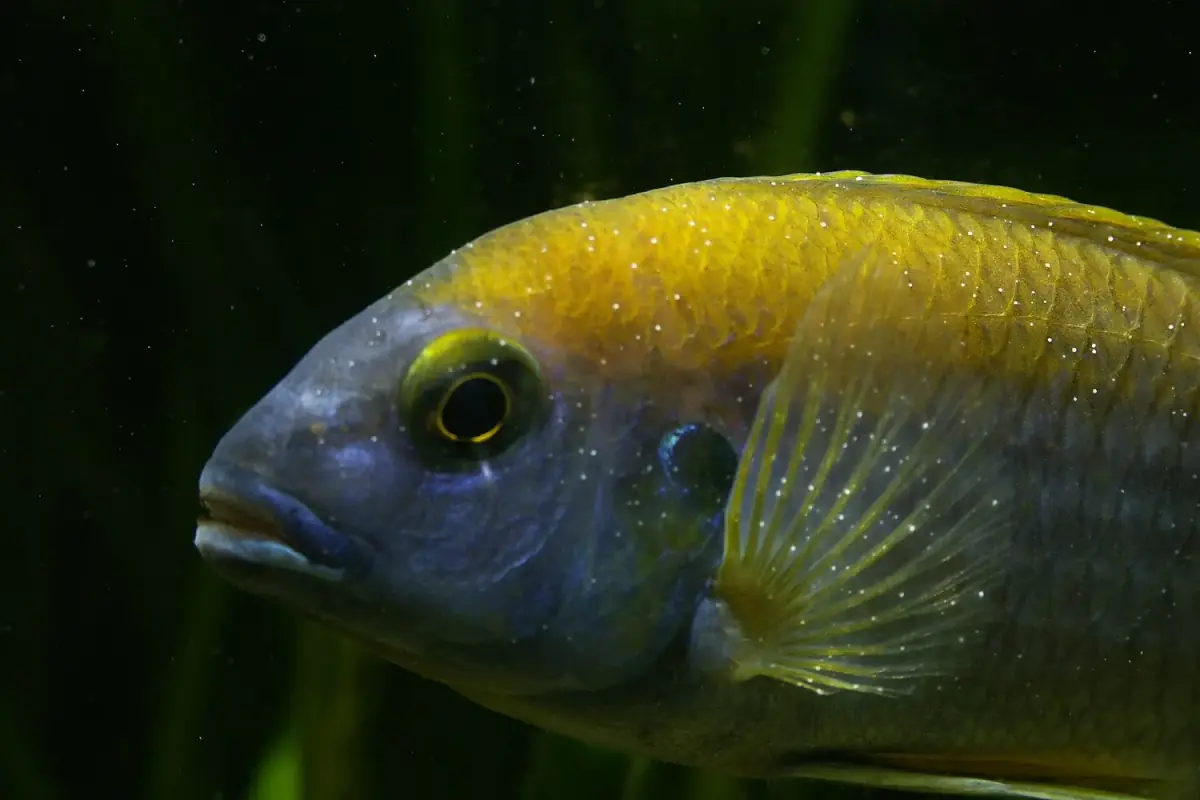
The most common disease in aquarium fish. How to recognize it, why it shows up, and how to get rid of it.