BrackishSaltwater
Striped poison-fang blenny mimic
Petroscirtes breviceps
Blenniidae, Blenniinae
Petroscirtes breviceps
Blenniidae, Blenniinae
Know what is missing? Suggest it in the app.
Lives wild in Australia, Hong Kong SAR China, India, Indonesia, Japan, Malaysia, Micronesia, New Caledonia, and 7 more countries.
Introduced to Papua New Guinea.
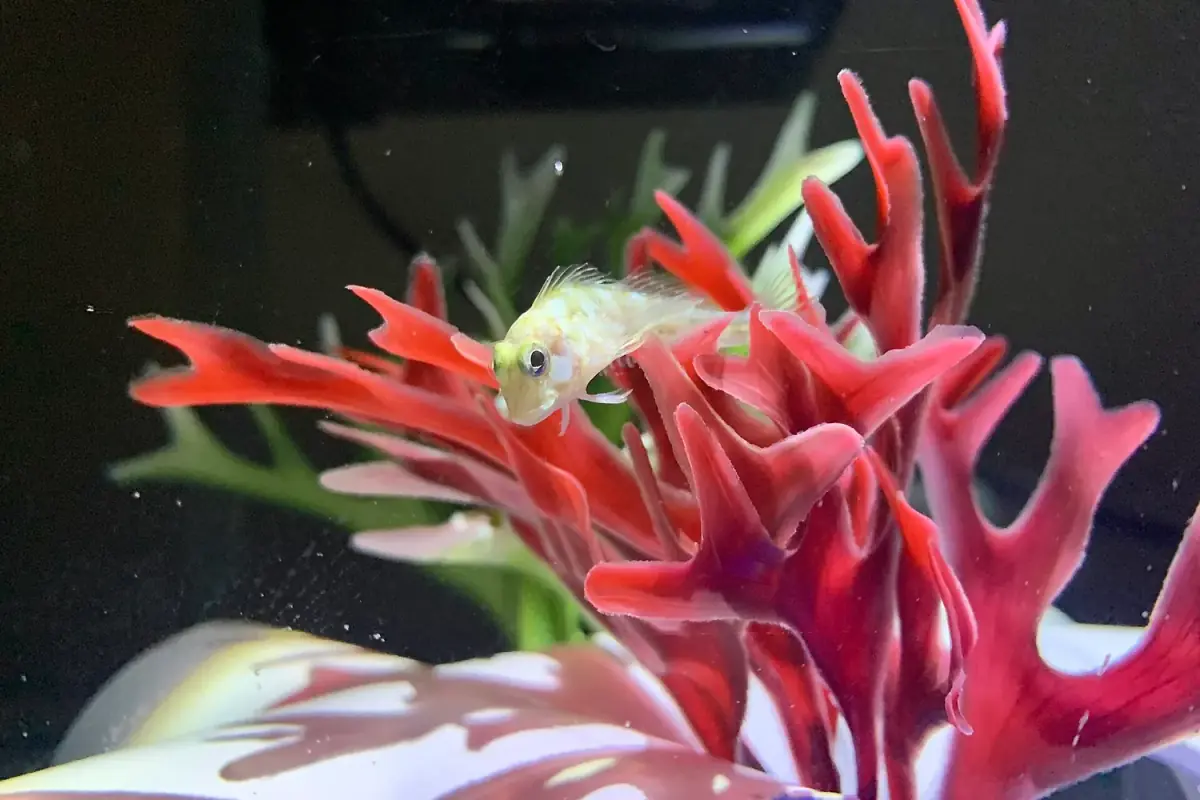
Adults inhabit coastal reefs and estuaries to depths of about 10 m. May also be found up to 15 m depth in coastal and lagoon reefs in sandy and weedy areas among clumps of Sargassum or other seaweeds. They also take shelter and nests inside small-necked bottles and abandoned worm tubes or shells. They feed on small crustaceans, diatoms, and perhaps other plant material associated with such clumps. They use their fangs defensively and will not hesitate to bite if handled, thus, species of this genus are avoided by predators. Oviparous. Males uses shells but also ring-top cans for nesting. Eggs are demersal and adhesive, and are attached to the substrate via a filamentous, adhesive pad or pedestal. Larvae are planktonic, often found in shallow, coastal waters. Mimic of Meiacanthus grammistes, which like all species of that genus possesses a pair of large grooved fangs in the lower jaw with associated venom glands. These bites are used defensively and Papuan variety is also a possible mimic of Meiacanthus vittatus.
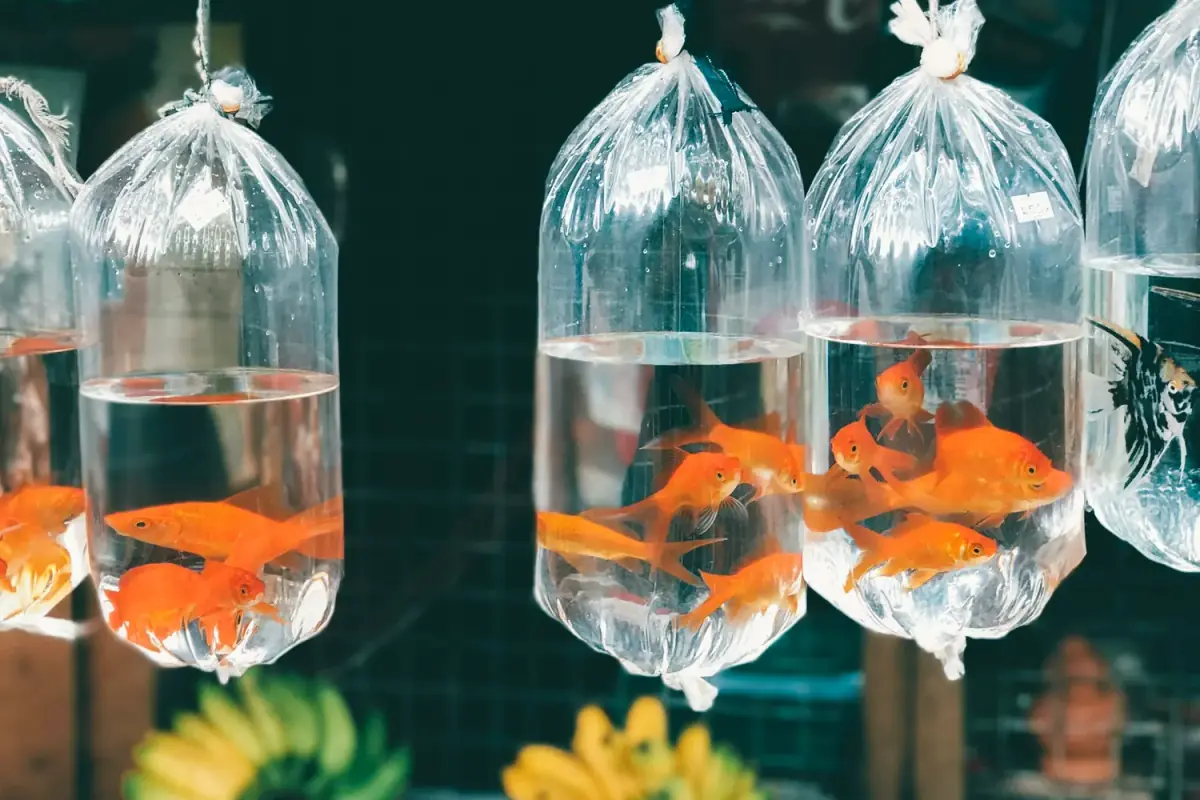
From the store to the tank: how to get the fish used to your water, why you should add only a few at a time, and what to watch for in the first few days.
Why new fish should live in a tank of their own for a few weeks before they move in, what you need, and what to look for.
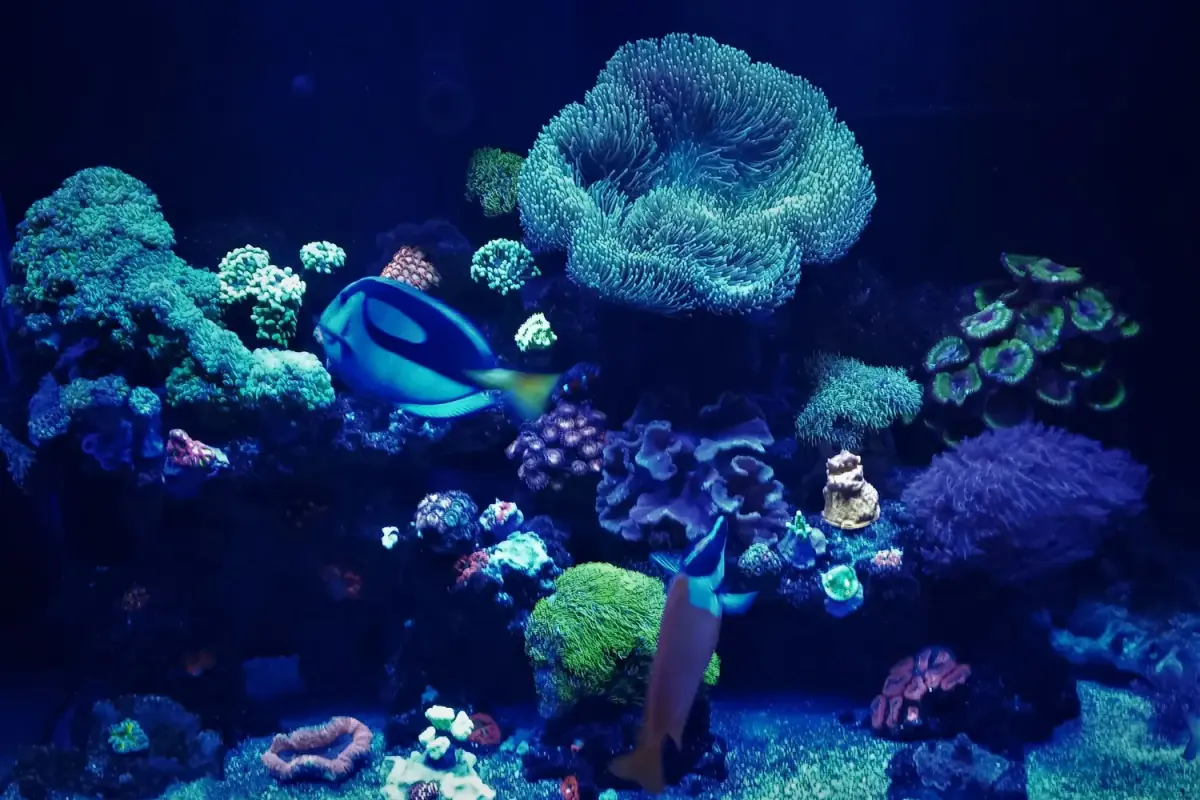
What is different in a saltwater aquarium: salt, refractometer, live rock and corals. An introduction for anyone thinking of giving it a try.