FreshwaterBrackish
Spotted tilapia
Pelmatolapia mariae
Cichlidae, Pseudocrenilabrinae
Pelmatolapia mariae
Cichlidae, Pseudocrenilabrinae
Know what is missing? Suggest it in the app.
Lives wild in Benin, Cameroon, Côte d’Ivoire, Ghana, and Nigeria.
Introduced to Australia, Hong Kong SAR China, Russia, and United States.
Live in still or flowing waters in rocky or mud-bottom areas. Occur in warm springs and mud-bottomed to sand-bottomed canals. Clearly prefers a herbivorous diet, including algae, higher plants and parts of cassava, but also accepts insects and shrimps (along with their eggs). Consume plant matter. Reache sexual maturity at 10-15 centimeters length. Parents prepare nest site on logs, leaves and other debris. Prolific species. The eggs (600-3300 per female) are guarded by the parents and hatch in 1-3 days. Larvae need 6-8 additional days to develop before they can swim freely. Parental care of the brood continues until the fish are about (1.5 cm, Ref. 52307) 2.5-3.0 centimeters. Occurs in mixed groups composed of individuals of varying size/age, along with individuals of other species. Pair-bonding, open substrate brooder with both parents guarding the brood. Maximum size was recorded at 39.4 cm TL.
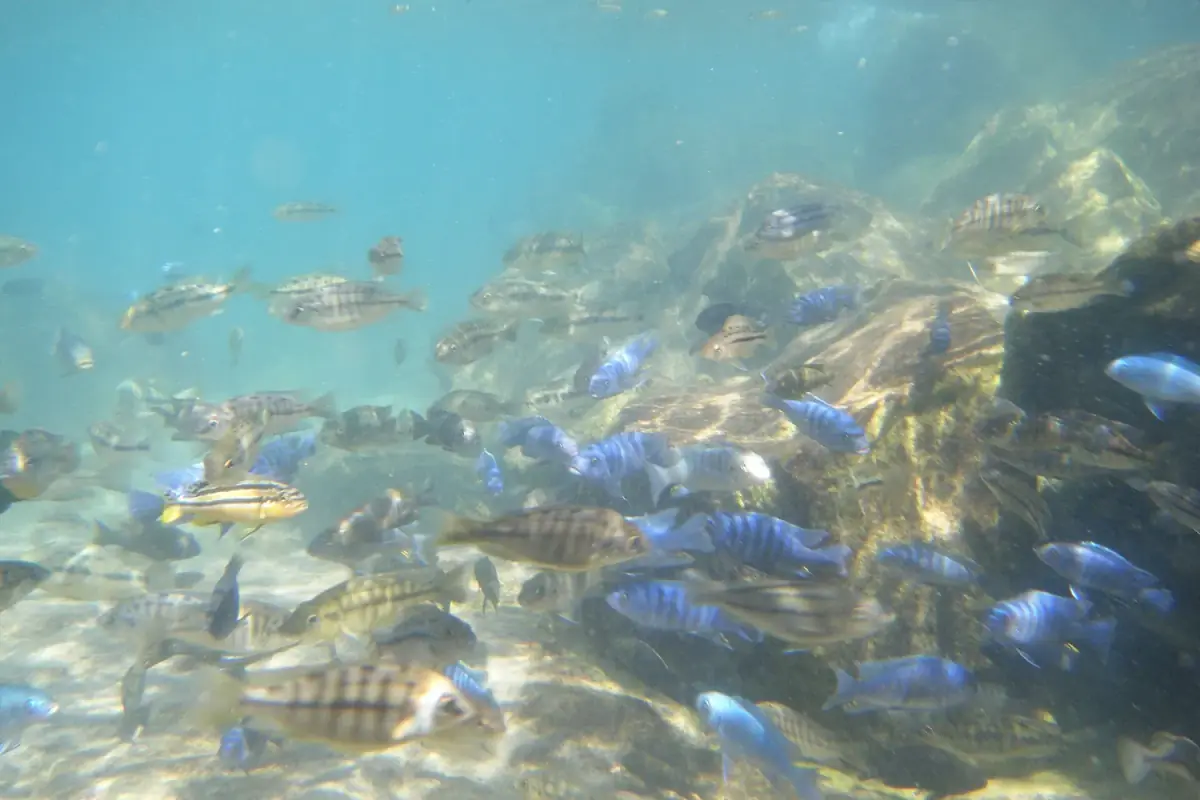
Two completely different aquariums: forest rivers with soft, brown water, roots and leaves, and Rift Valley lake cichlids in hard, alkaline water with big rock piles.
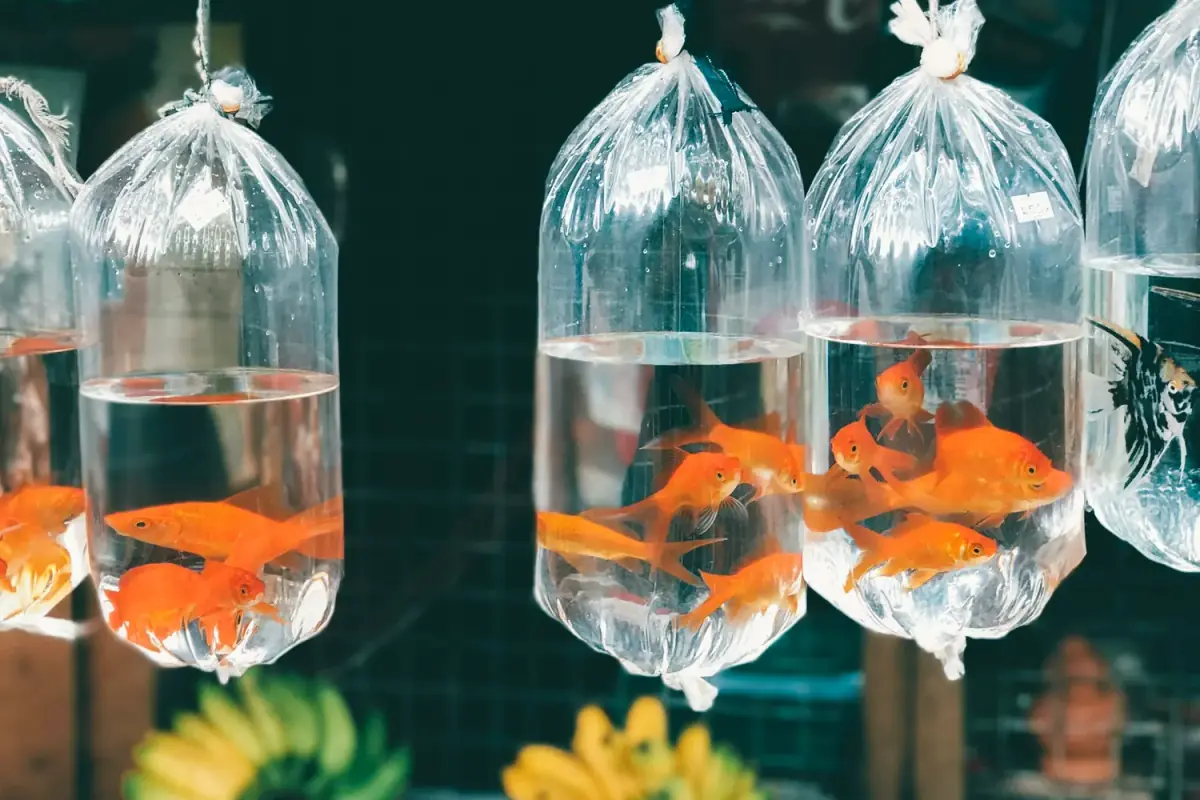
From the store to the tank: how to get the fish used to your water, why you should add only a few at a time, and what to watch for in the first few days.
Why new fish should live in a tank of their own for a few weeks before they move in, what you need, and what to look for.
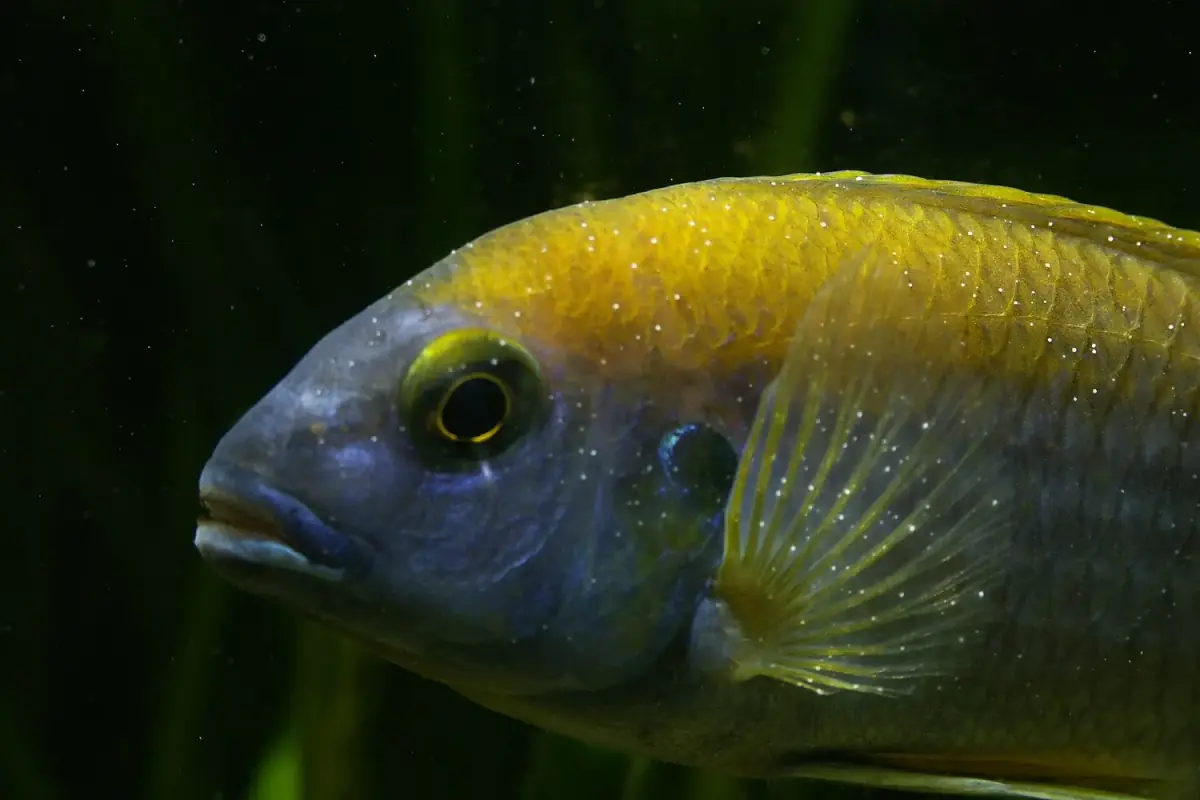
The most common disease in aquarium fish. How to recognize it, why it shows up, and how to get rid of it.