Freshwater
Southern waternymph
Najas guadalupensis
Hydrocharitaceae
Najas guadalupensis
Hydrocharitaceae
Lives wild in Argentina, Aruba, Bahamas, Bolivia, Brazil, Canada, Colombia, Costa Rica, and 18 more countries.
Introduced to Czechoslovakia, Hungary, Japan, Palestine, Taiwan, and Trinidad & Tobago.
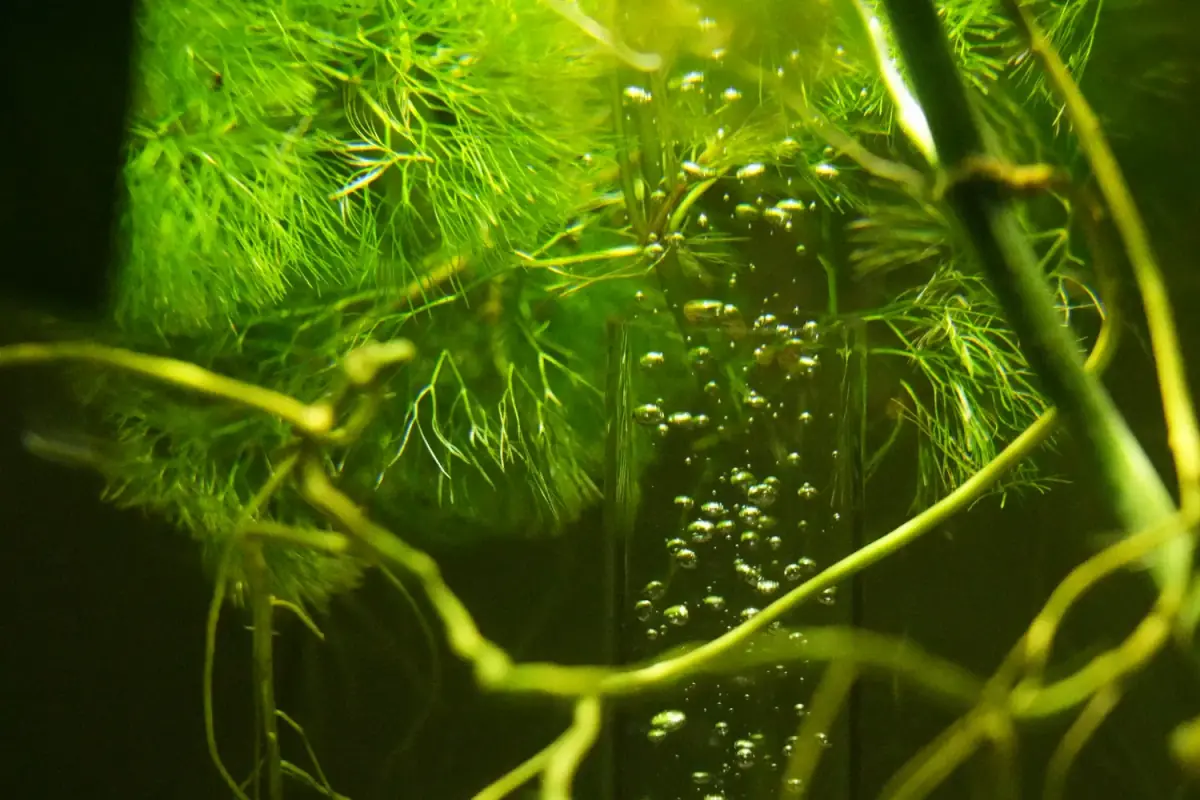
Najas guadalupensis is a species of aquatic plant known by the common names southern waternymph, guppy grass, southern naiad, najas grass and common water nymph. It is native to the Americas, where it is widespread. It is considered native to Canada (from Alberta to Quebec), and most of the contiguous United States, Mexico, Central America, the West Indies and South America. It has been introduced in Japan, and Palestine and Israel. Najas guadalupensis is an annual, growing submerged in aquatic habitat types such as ponds, ditches, and streams. It produces a slender, branching stem up to 60 to 90 centimeters in maximum length. The thin, somewhat transparent, flexible leaves are up to 3 centimeters long and just 1 or 2 millimeters wide. They are edged with minute, unicellular teeth. Tiny flowers occur in the leaf axils; staminate flowers grow toward the end of the plant and pistillate closer to the base. They are also a popular aquarium plant for beginners due to their hardiness as well as growth rate, which helps provide shelter for aquarium fish.
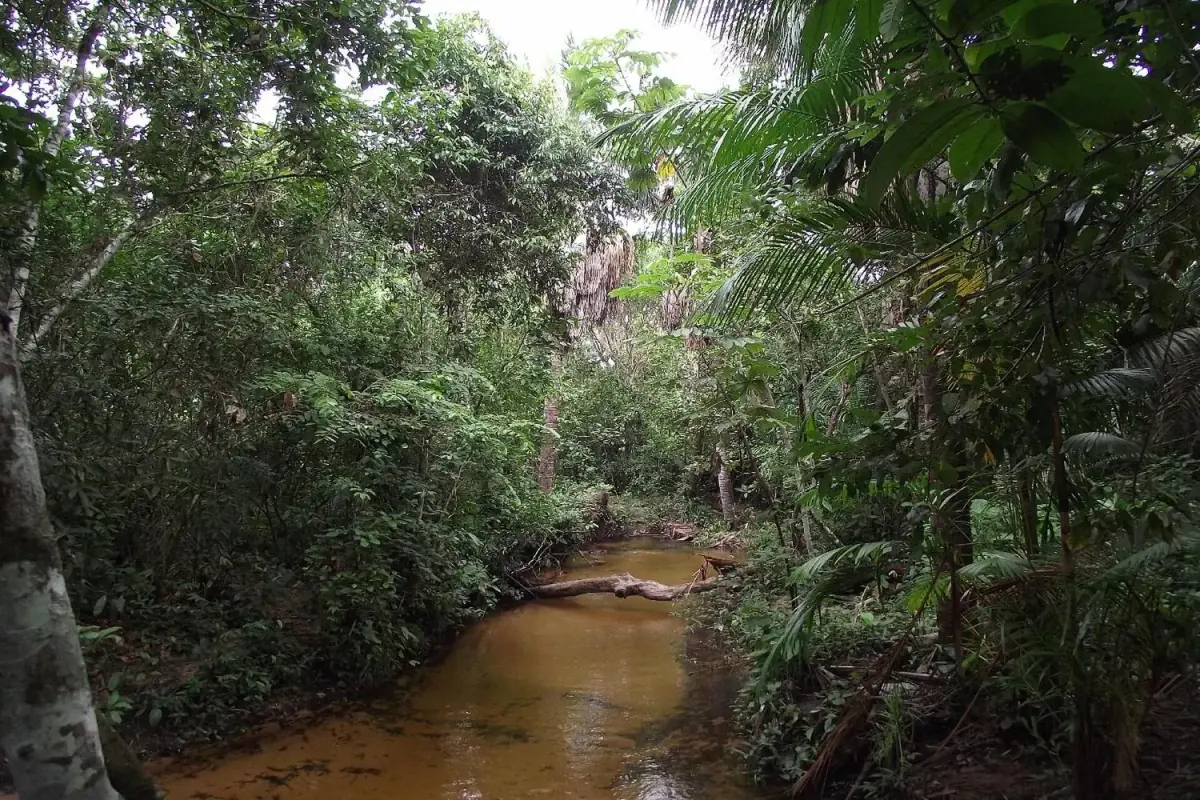
Soft, acidic water, subdued light, sand, roots and fallen leaves: how to set up a biotope aquarium from the Amazon and the rivers around it.
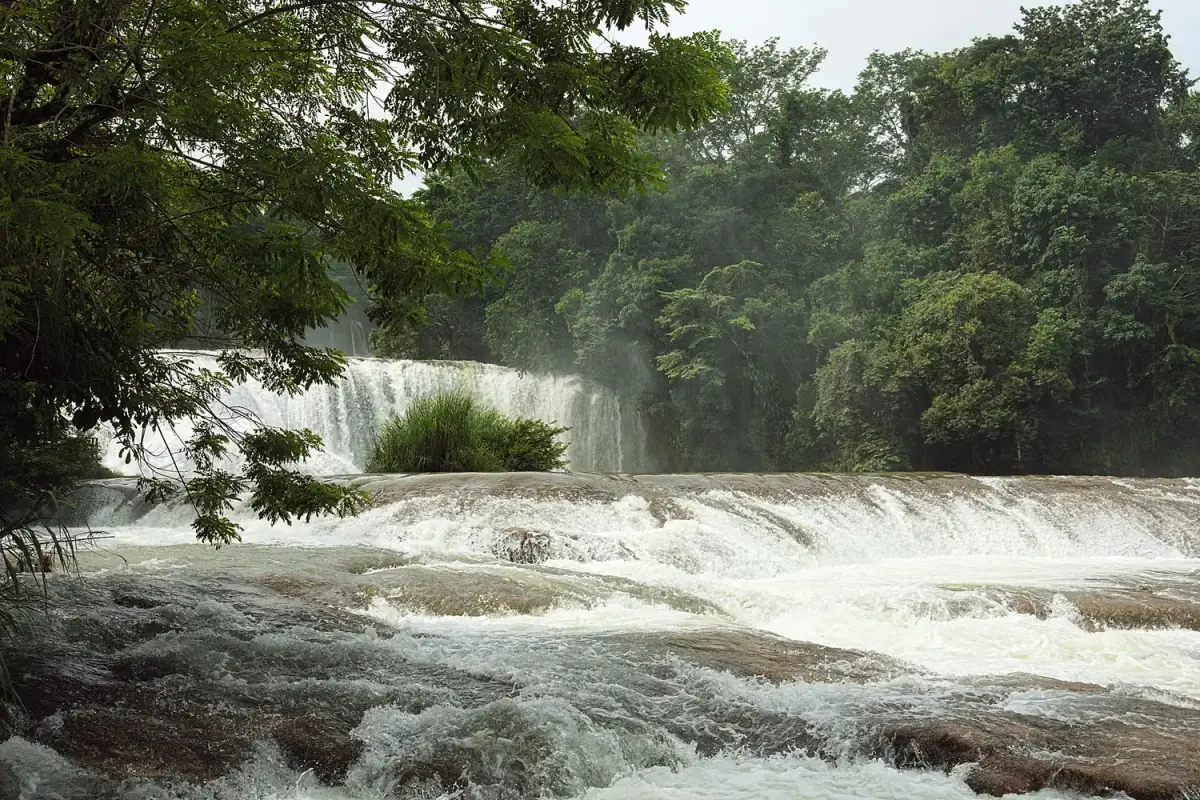
Hard, alkaline water, sand and rock: an aquarium from the rivers and lakes of Mexico and Central America, with cichlids and livebearers.
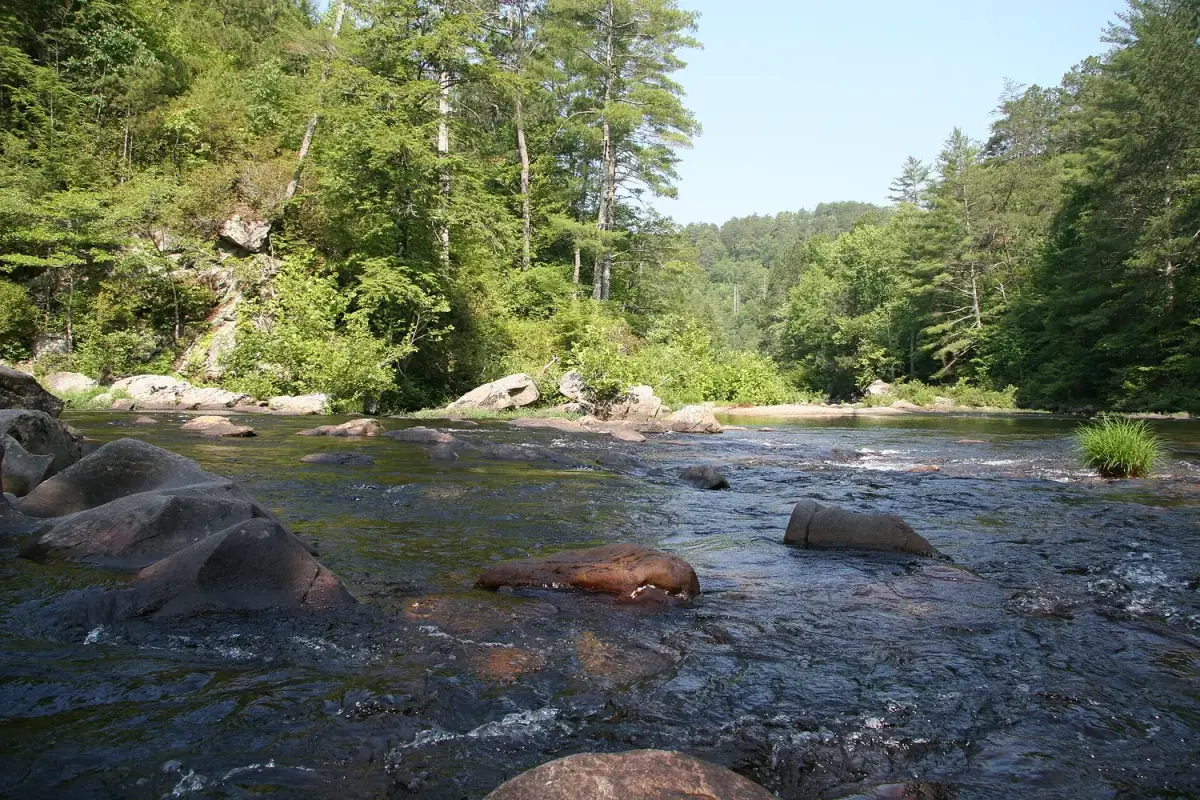
Streams and ponds in North America are often cool. How to set up an aquarium without a heater, with pygmy sunfish, shiners and darters.
Light, nutrients and CO₂ in balance, low tech versus high tech, and how to read from the leaves what your plants are missing.