FreshwaterBrackish
Redbreast tilapia
Coptodon rendalli
Cichlidae, Pseudocrenilabrinae
Coptodon rendalli
Cichlidae, Pseudocrenilabrinae
Know what is missing? Suggest it in the app.
Lives wild in Angola, Botswana, Congo - Kinshasa, Eswatini, Malawi, Mozambique, Namibia, South Africa, and 3 more countries.
Introduced to Antigua & Barbuda, Brazil, Burundi, Cameroon, Chad, Colombia, Congo - Brazzaville, Cuba, and 18 more countries.
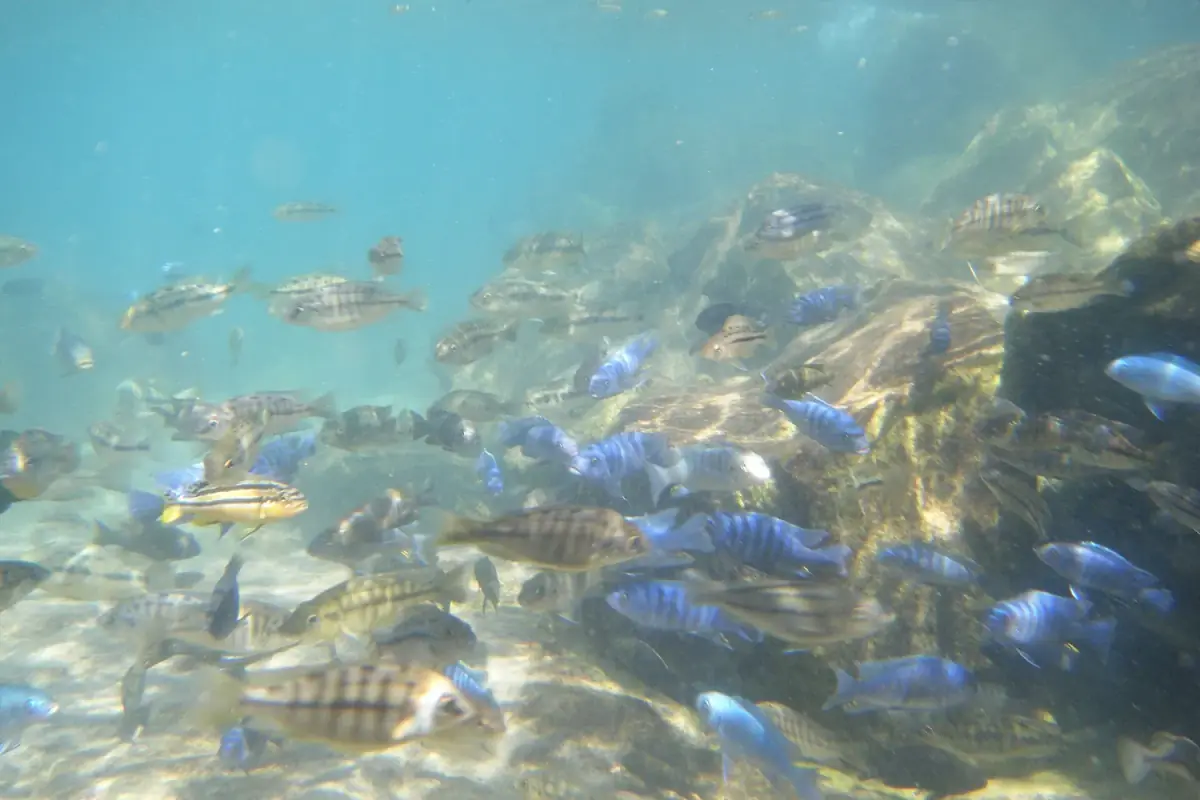
It prefers quiet, well-vegetated water along river littorals or backwaters, floodplains and swamps. They are tolerant of a wide range of temperatures (8-41°C) and salinities. Forms schools; is mainly diurnal. Juveniles feed on plankton; adults feed on leaves and stems of underwater plants as well as algae, and vegetative detritus, insects and crustaceans. A substrate spawner; male and female form pairs to rear the young; eggs and larvae are usually guarded in a steep-side circular pit dug in the mud. Occasionally it spawns in large cave-like structures, e.g. in Lake Malawi they are reported to dig a network of tunnels at some sites. Make excellent eating. Widely exploited in fisheries and aquaculture.
Two completely different aquariums: forest rivers with soft, brown water, roots and leaves, and Rift Valley lake cichlids in hard, alkaline water with big rock piles.
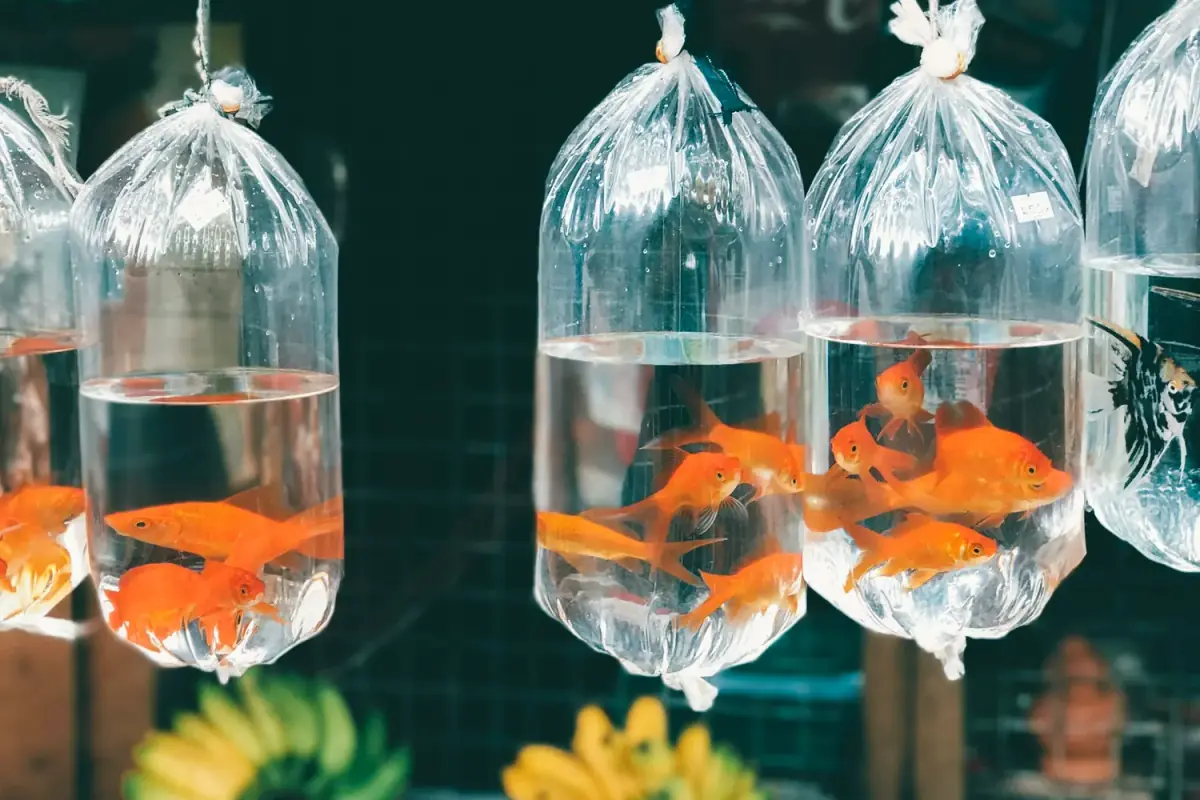
From the store to the tank: how to get the fish used to your water, why you should add only a few at a time, and what to watch for in the first few days.
Why new fish should live in a tank of their own for a few weeks before they move in, what you need, and what to look for.
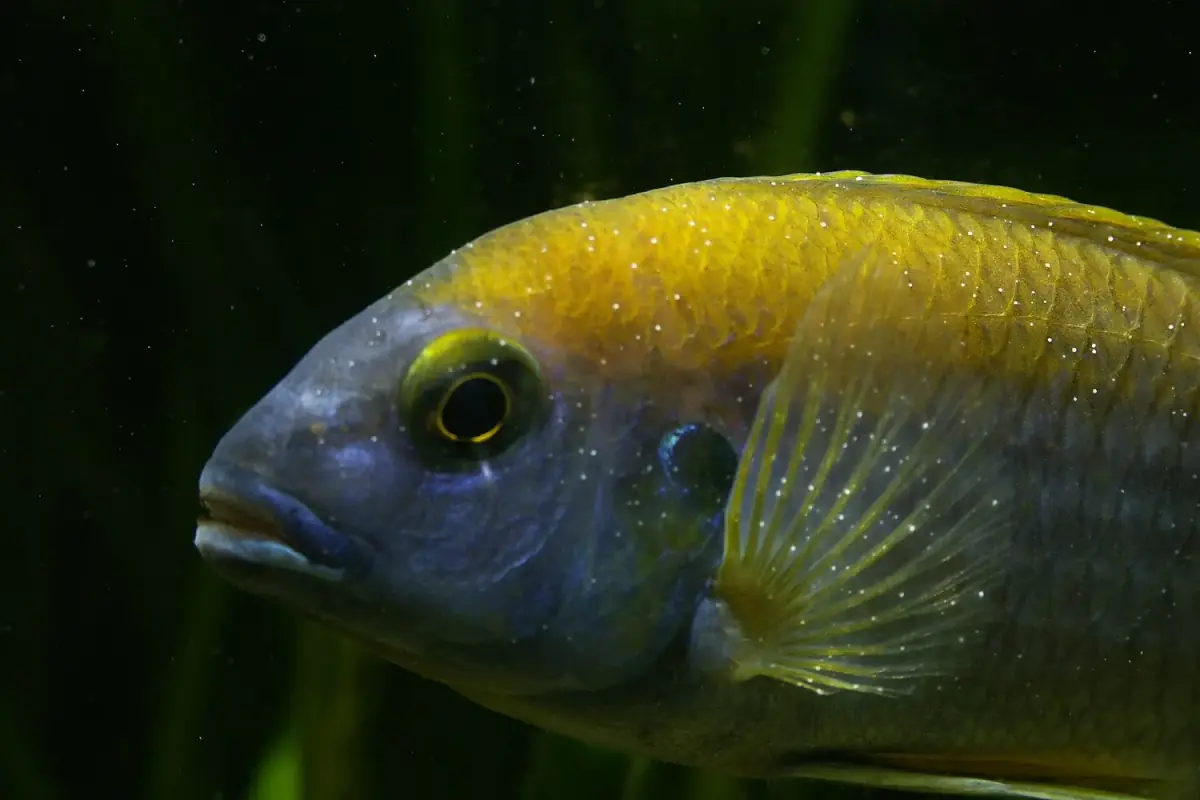
The most common disease in aquarium fish. How to recognize it, why it shows up, and how to get rid of it.