FreshwaterBrackish
Redbelly tilapia
Coptodon zillii
Cichlidae, Pseudocrenilabrinae
Coptodon zillii
Cichlidae, Pseudocrenilabrinae
Know what is missing? Suggest it in the app.
Lives wild in Algeria, Benin, Cameroon, Central African Republic, Chad, Congo - Kinshasa, Côte d’Ivoire, Egypt, and 21 more countries.
Introduced to Antigua & Barbuda, Australia, Eritrea, Ethiopia, Fiji, Guam, Hong Kong SAR China, Iran, and 15 more countries.
Prime Time AquaticsJun 2, 2023
Highly adaptable and tolerates varying water qualities; they are tolerant of a wide range of temperatures and salinities, even surviving marine conditions. Extended temperature range 6.5 - 42.5 °C, natural temperature range 10.5 - 36°C. Occasionally form schools; mainly diurnal. Prefers shallow, vegetated areas. Fry are common in marginal vegetation and juveniles are found in the seasonal floodplain. Herbivorous, adults feed on leaves and stems of underwater plants as well as algae and vegetative detritus. A substrate spawner; male and female form pairs to rear the young; aggs and larvae are usually guarded in a pit dug in the mud. Parental care is very thorough and undertaken by both parties; large specimens may deposit 1000 eggs per spawn, preferably on hard surfaces; hatching occurs about 96 hours post spawning, and juveniles swim freely about 4-6 days later. Larvae develop in close association with substrate.
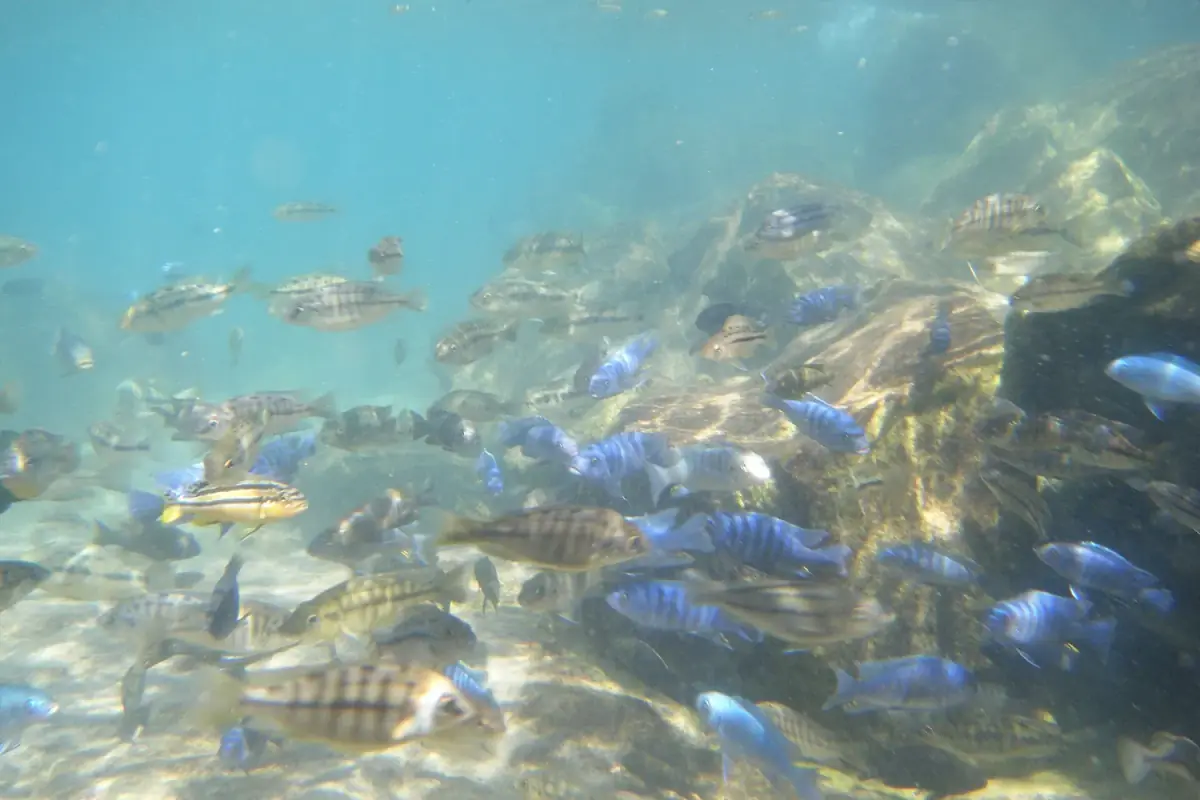
Two completely different aquariums: forest rivers with soft, brown water, roots and leaves, and Rift Valley lake cichlids in hard, alkaline water with big rock piles.
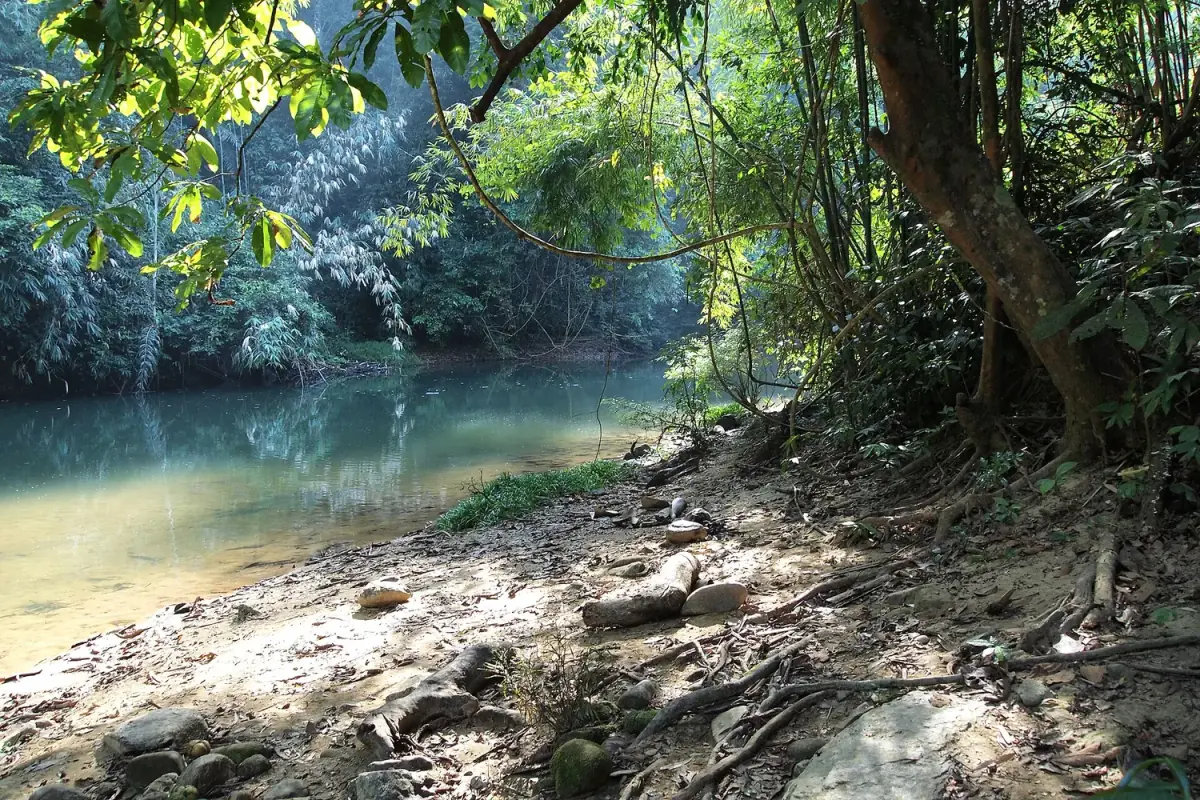
Two aquariums from Southeast Asia: calm forest streams and peat swamps with soft, brown water, and fast mountain streams with cool, oxygen-rich water.
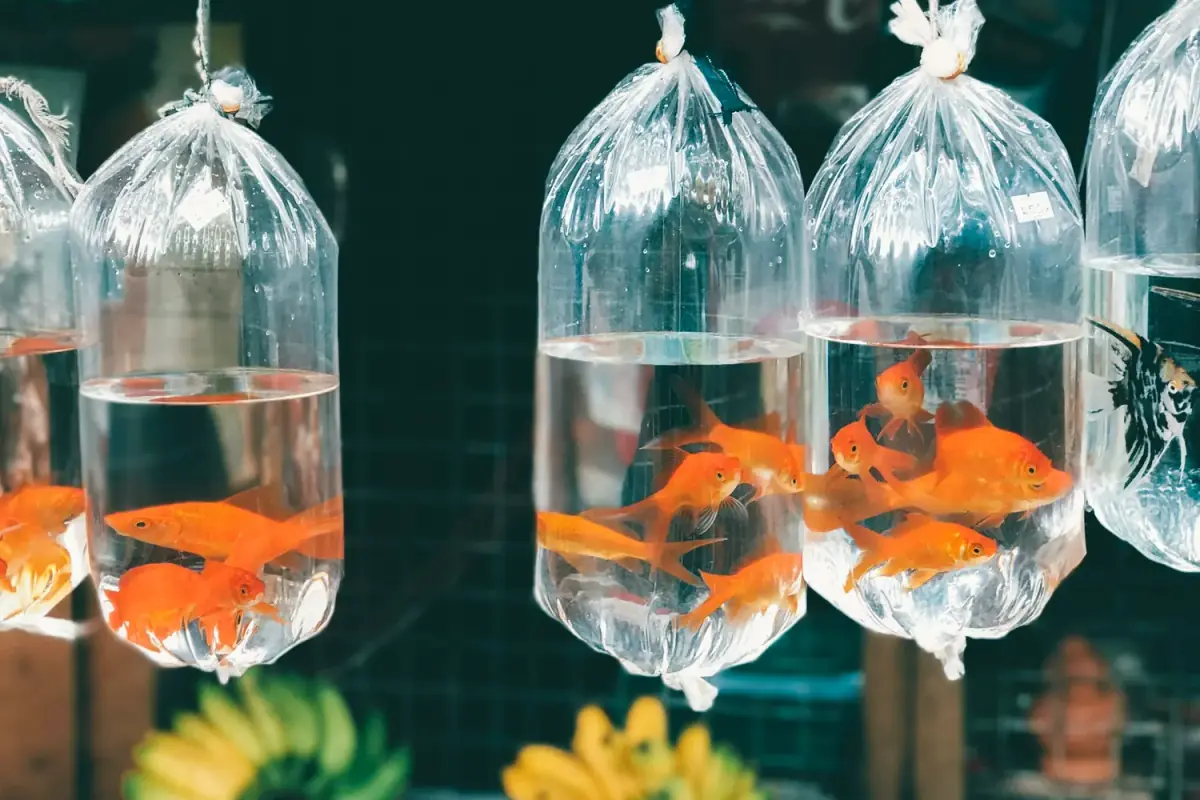
From the store to the tank: how to get the fish used to your water, why you should add only a few at a time, and what to watch for in the first few days.
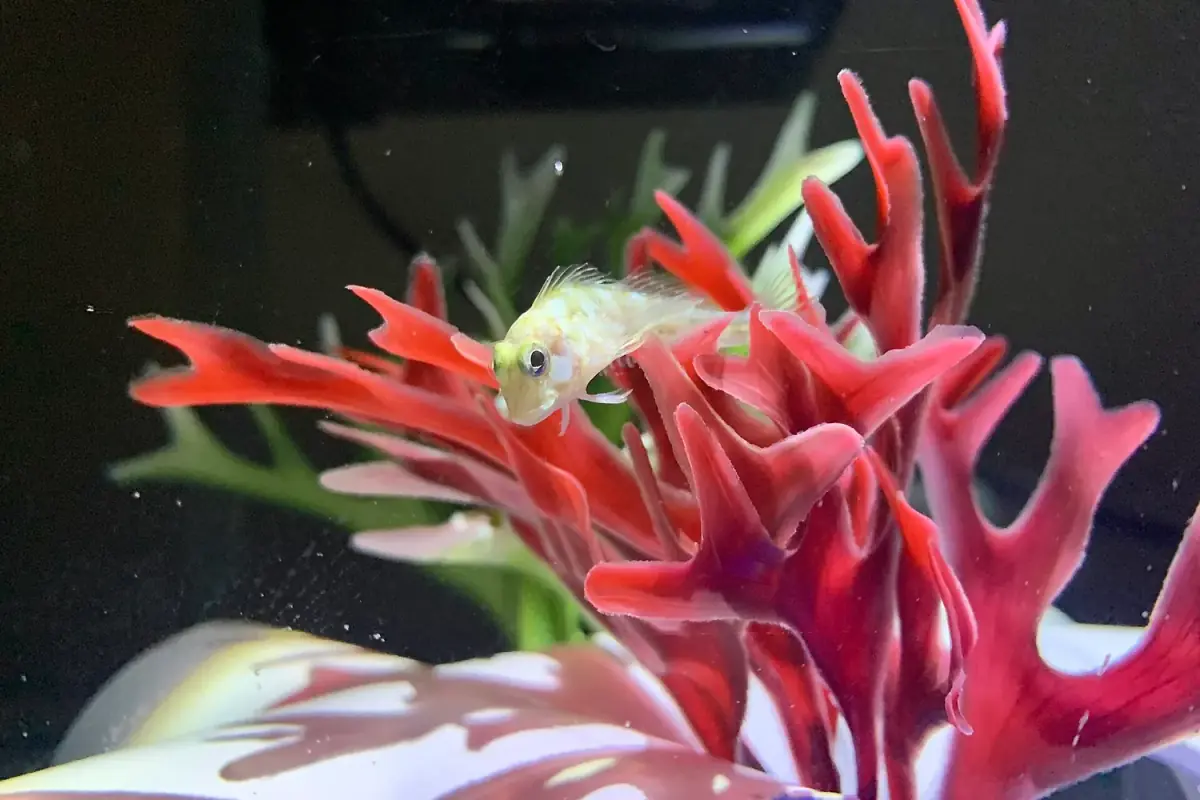
Why new fish should live in a tank of their own for a few weeks before they move in, what you need, and what to look for.