FreshwaterBrackish
Mangrove rivulus
Kryptolebias marmoratus
Rivulidae, Kryptolebiatinae
Kryptolebias marmoratus
Rivulidae, Kryptolebiatinae
Know what is missing? Suggest it in the app.
Lives wild in Anguilla, Antigua & Barbuda, Aruba, Bahamas, Barbados, Belize, Brazil, British Virgin Islands, and 20 more countries.
Adults inhabit shallow, mud-bottomed ditches, bays, salt marshes and other brackish-water environments; also crab burrows, moist leaf litter, decaying mangrove logs. Can withstand heavy pollution of fresh or salty waters and shares its biotope with Poecilia vivipara which is much more abundant. Usually found in water with low oxygen content. Either male or hermaphroditic, females don't seem to exist. Only about 5% of a population are born as males; after 3-4 years about 60% of the (self-fertilizing) hermaphrodites transform into secondary males by losing female structure and function. The proportion of males depends on the environmental temperature. Below 20°C, majority are males, above 25°C all are hermaphrodites. It is the only known naturally occurring, self-fertilizing vertebrate. Not a seasonal killifish. Is very difficult to maintain in aquarium.
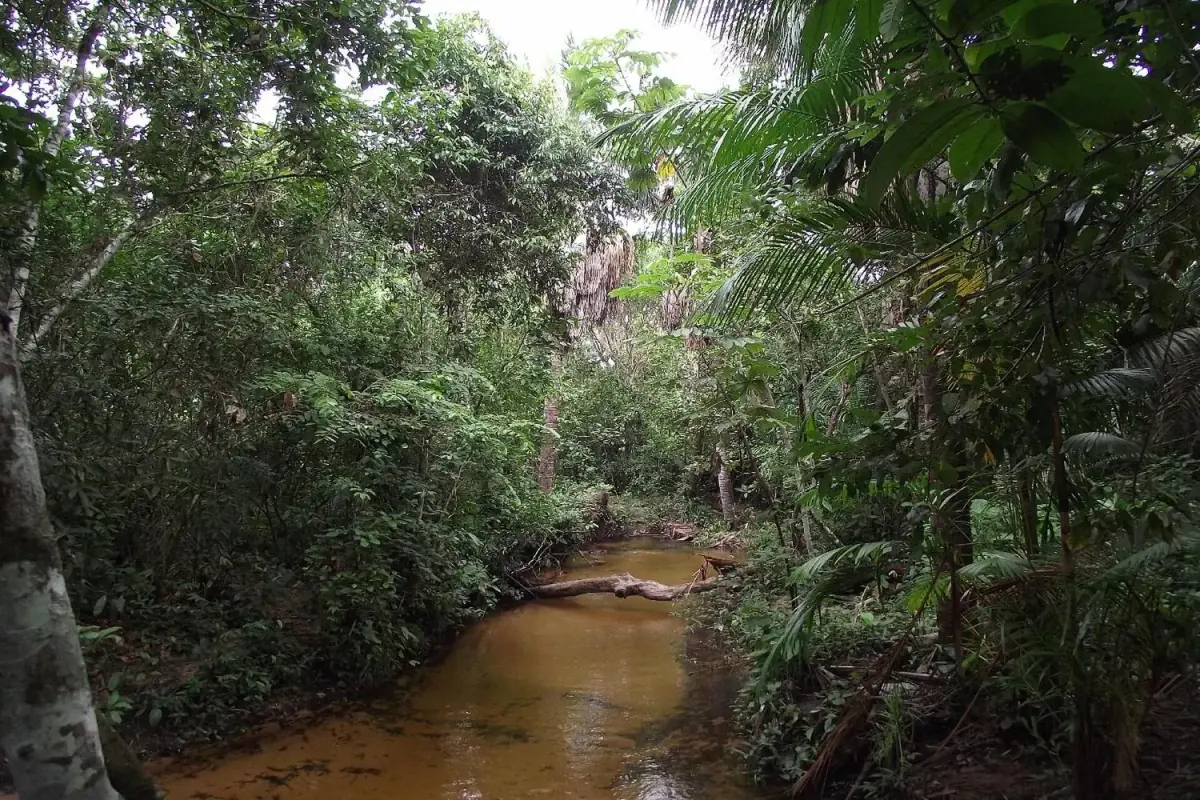
Soft, acidic water, subdued light, sand, roots and fallen leaves: how to set up a biotope aquarium from the Amazon and the rivers around it.
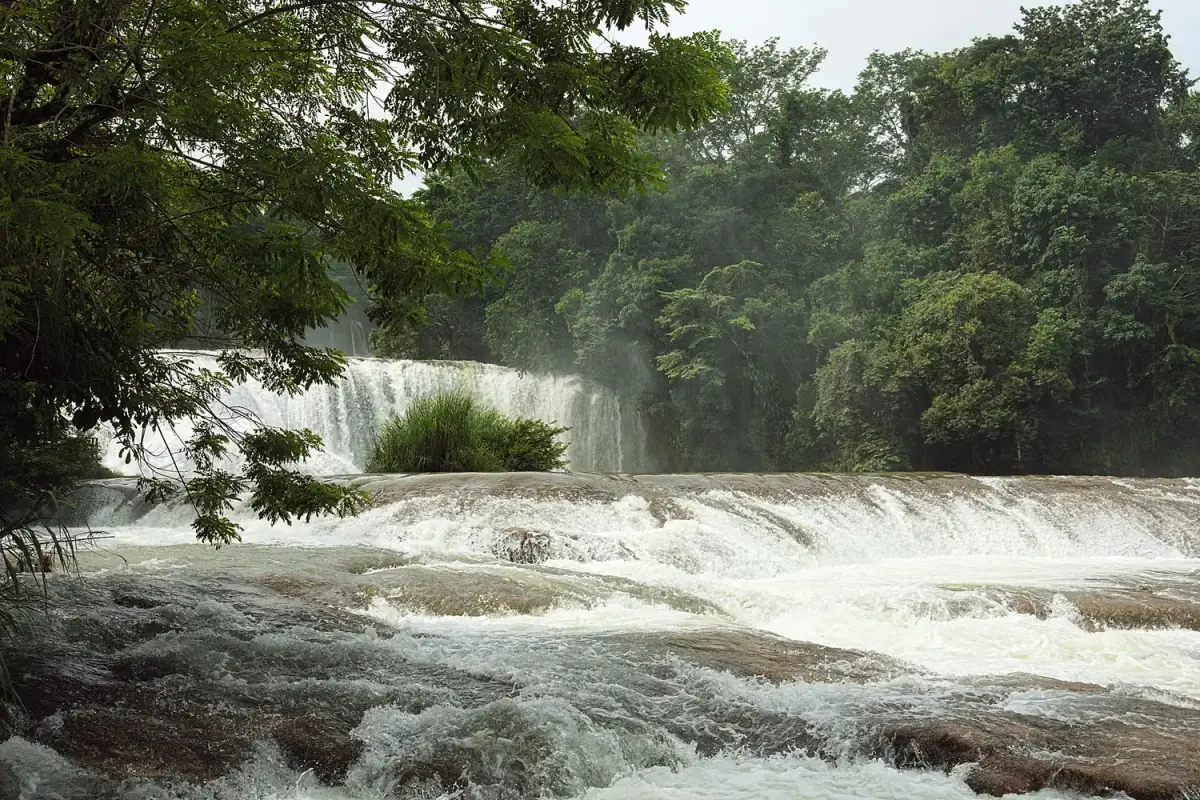
Hard, alkaline water, sand and rock: an aquarium from the rivers and lakes of Mexico and Central America, with cichlids and livebearers.
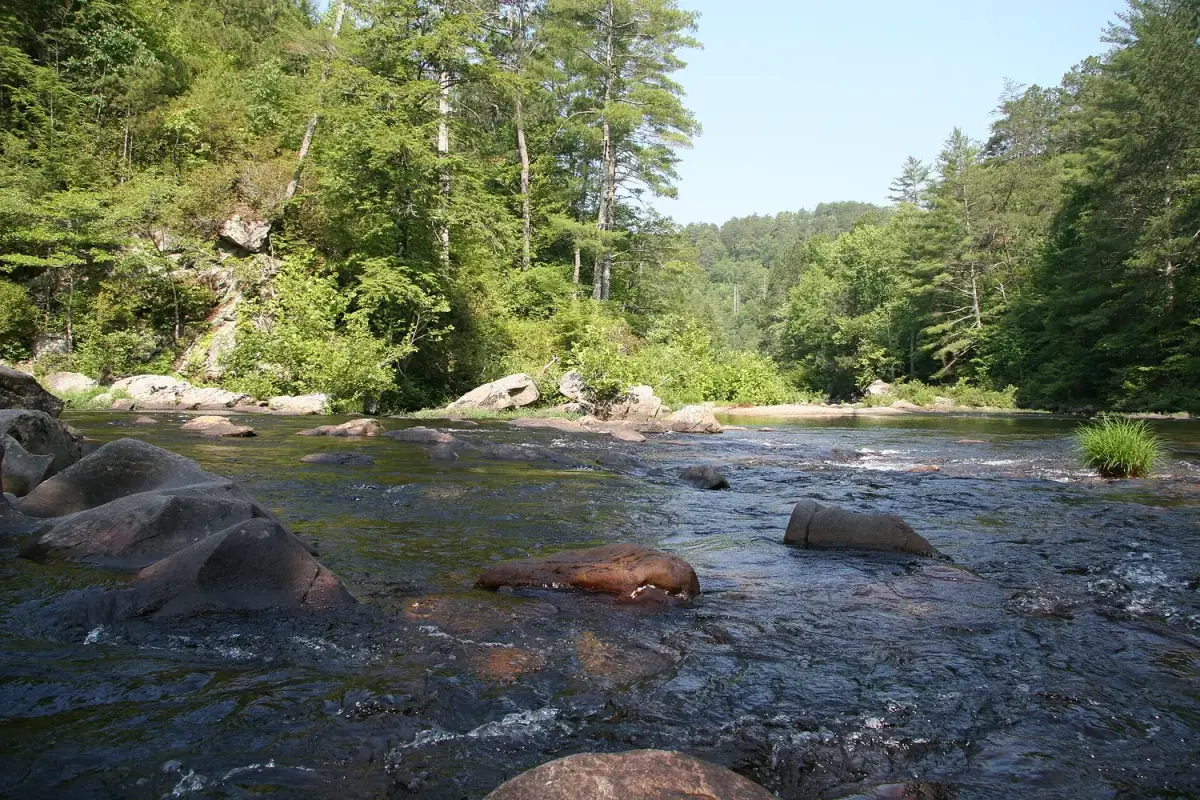
Streams and ponds in North America are often cool. How to set up an aquarium without a heater, with pygmy sunfish, shiners and darters.
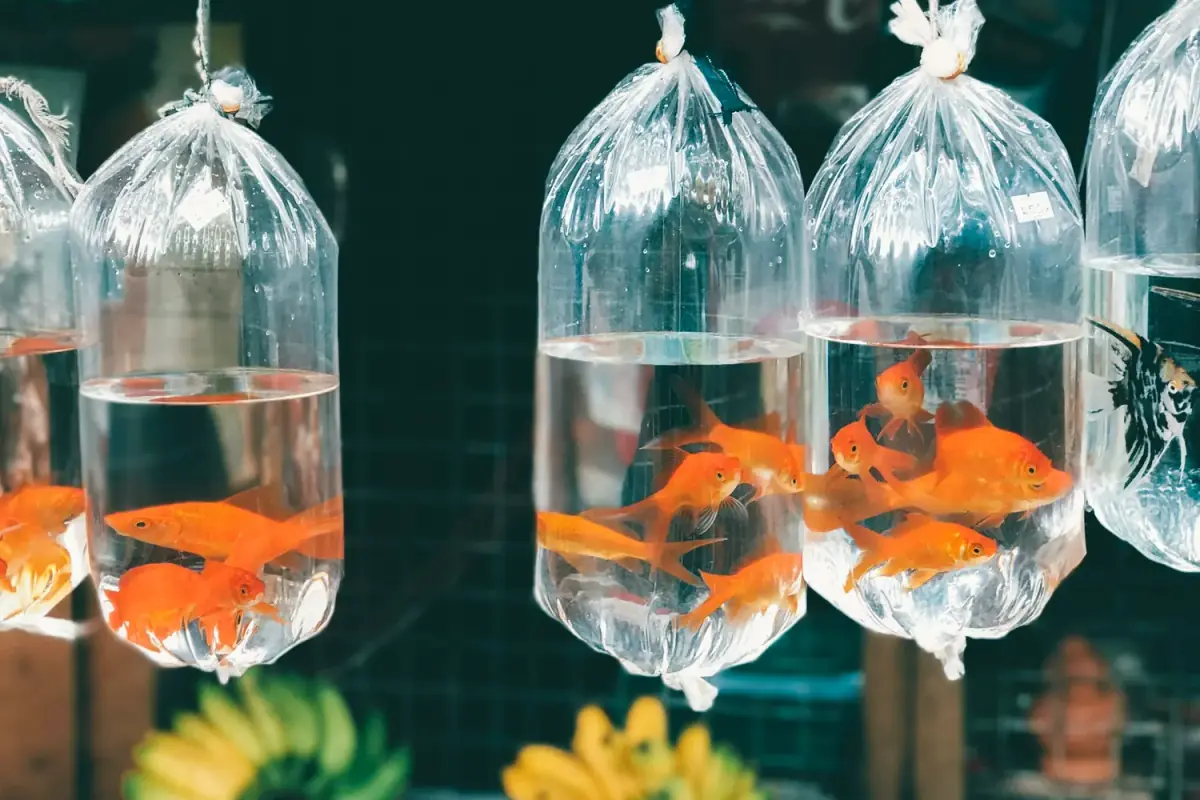
From the store to the tank: how to get the fish used to your water, why you should add only a few at a time, and what to watch for in the first few days.