FreshwaterBrackish
Giant Freshwater Prawn
Macrobrachium rosenbergii
Palaemonidae
Macrobrachium rosenbergii
Palaemonidae
Seen in the wild in Australia, Bangladesh, Brazil, China, India, Indonesia, Malaysia, Martinique, and 5 more countries.
Macrobrachium rosenbergii is a commercially important species of palaemonid freshwater prawn. It is native throughout the tropical and subtropical areas of the Indo-Pacific region, from India to Southeast Asia and Northern Australia. While M. rosenbergii is considered a freshwater species, the larval stage of the animal depends on brackish water. Once the individual shrimp has grown beyond the planktonic stage and becomes a juvenile, it lives entirely in fresh water. In English, it is commonly known as the giant river prawn, giant freshwater prawn, Malaysian prawn, freshwater scampi (India), or cherabin (Australia). Locally, it is known as golda chingri (Bengali: গলদা চিংড়ি) in Bangladesh and India, udang galah in Indonesia and Malaysia, uwáng or uláng in the Philippines, kung maenam (กุ้งแม่น้ำ) or kung kam kram (กุ้งก้ามกราม) in Thailand, and Thailand prawn in Southern China and Taiwan (Chinese: Tàiguó xiā 泰國蝦). It is one of the biggest freshwater prawns in the world, and is widely cultivated in several countries for food. Due to accidental releases, the giant freshwater prawn has also been introduced to parts of Africa, China, Japan, New Zealand, the Americas, and the Caribbean.
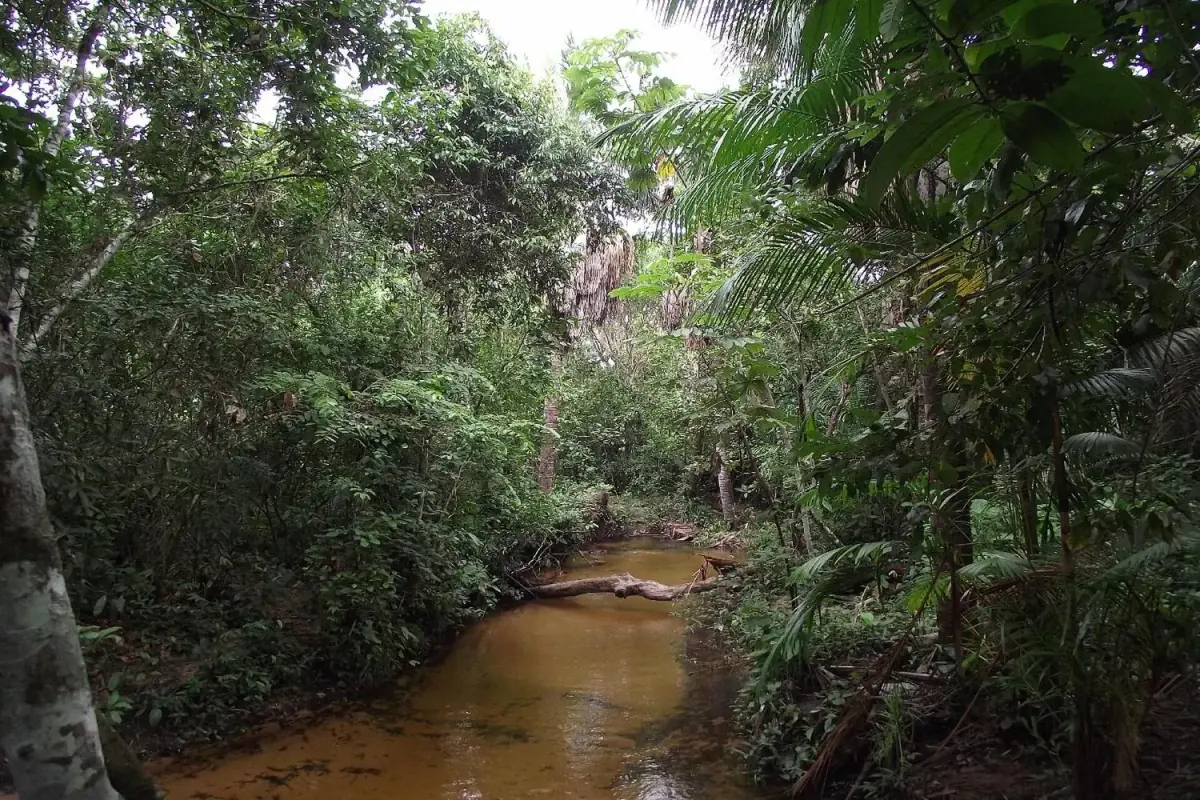
Soft, acidic water, subdued light, sand, roots and fallen leaves: how to set up a biotope aquarium from the Amazon and the rivers around it.
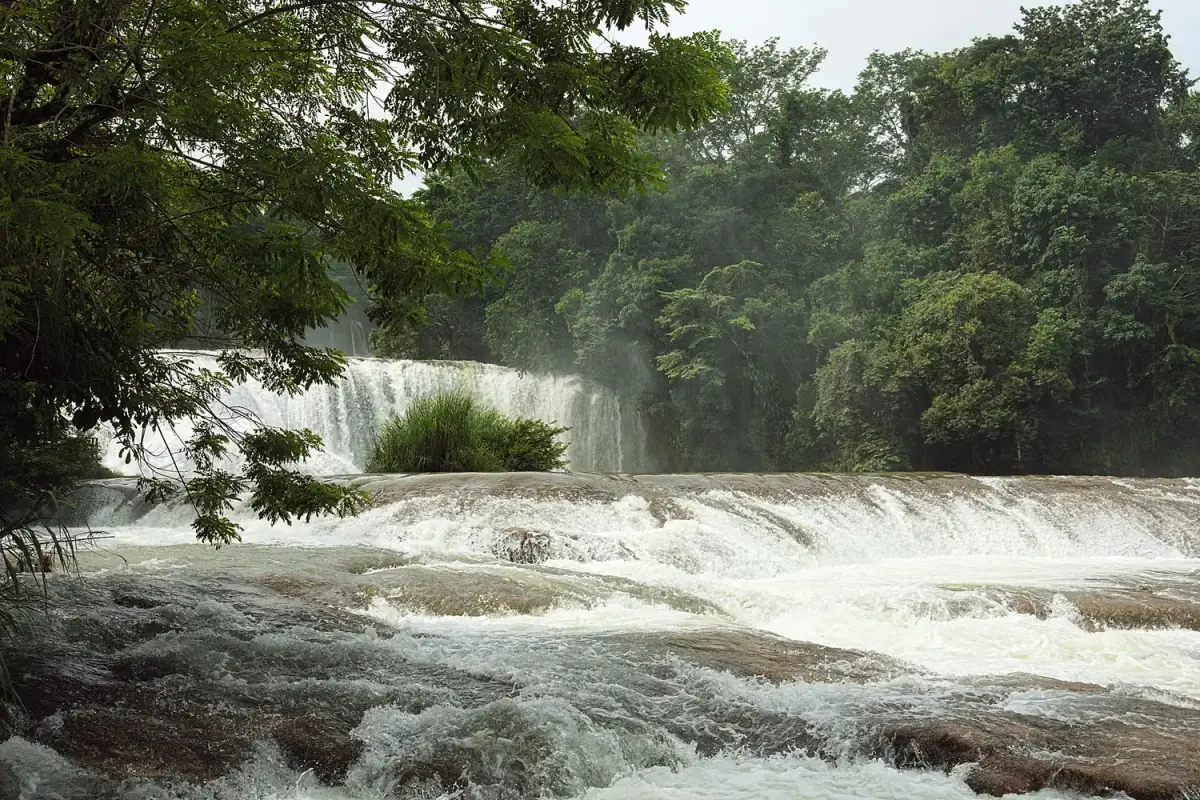
Hard, alkaline water, sand and rock: an aquarium from the rivers and lakes of Mexico and Central America, with cichlids and livebearers.
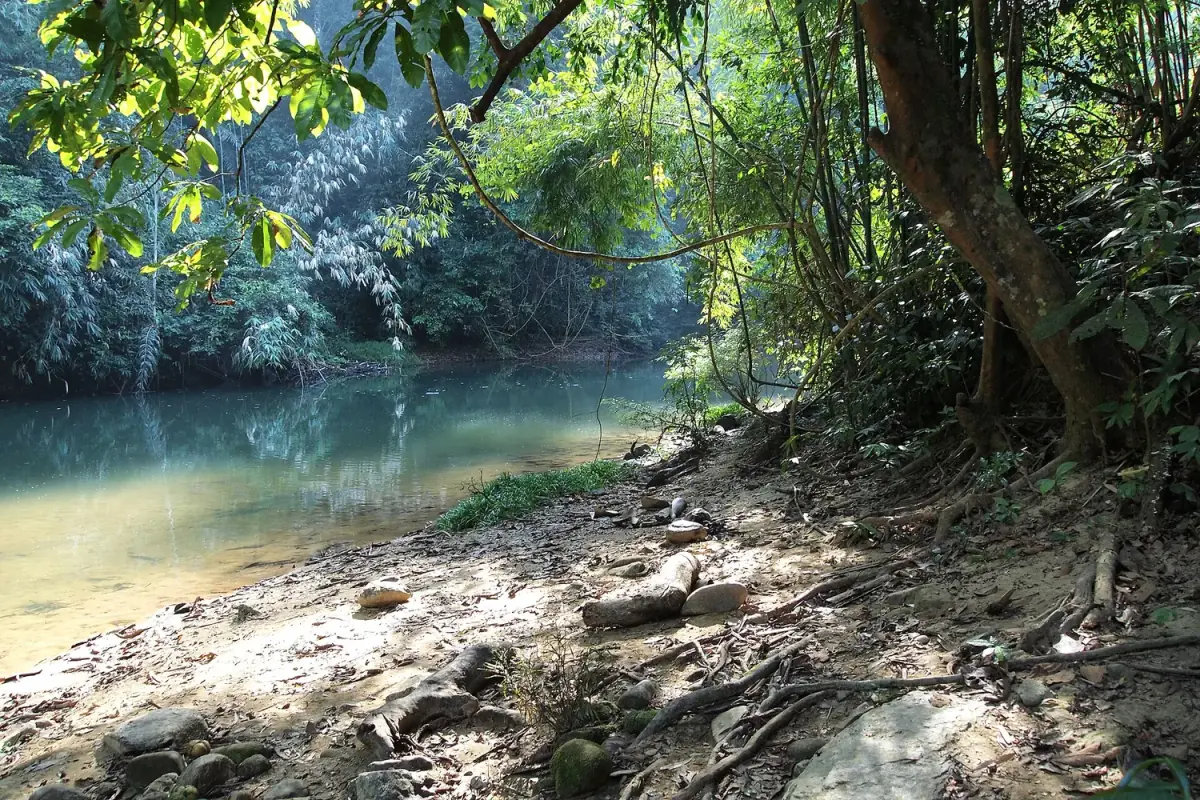
Two aquariums from Southeast Asia: calm forest streams and peat swamps with soft, brown water, and fast mountain streams with cool, oxygen-rich water.
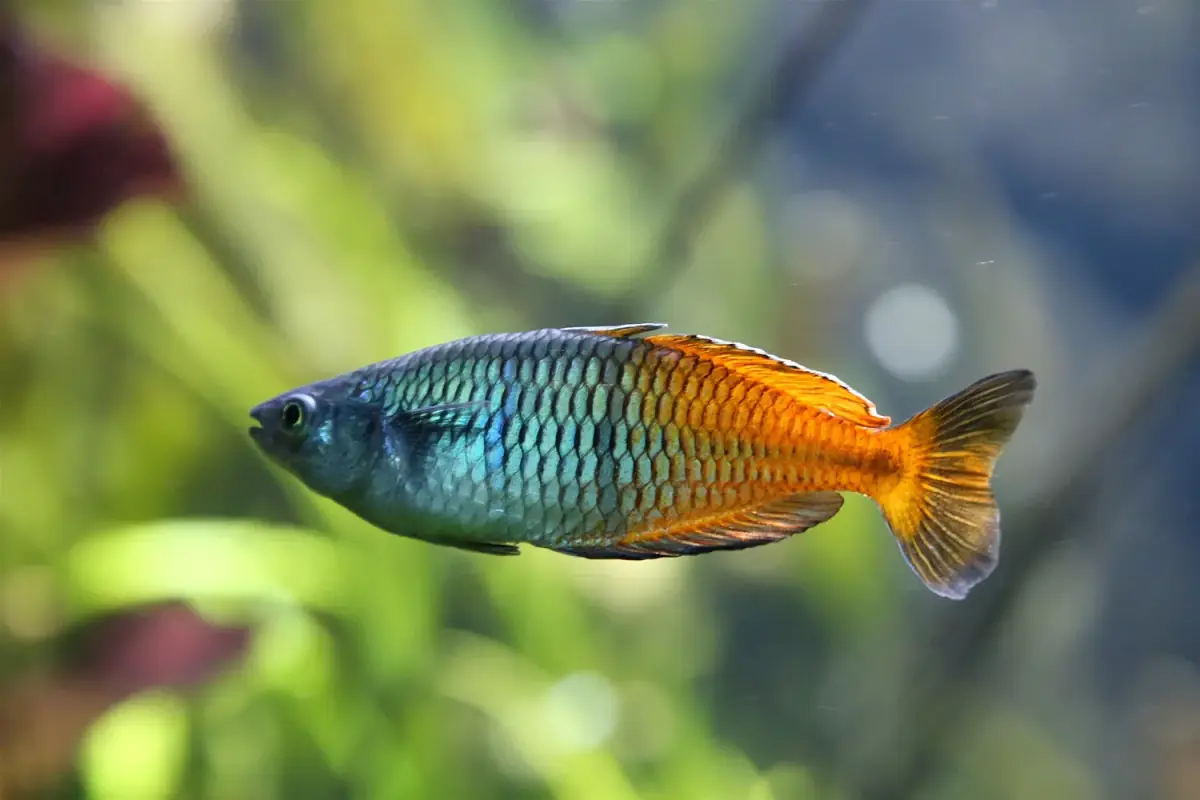
The home of rainbowfish: water, substrate, plants and light for rainbowfish, blue-eyes and peacock gudgeons, with a long aquarium and open water in the middle.