Freshwater
European bitterling
Rhodeus amarus
Acheilognathidae
Rhodeus amarus
Acheilognathidae
Know what is missing? Suggest it in the app.
Lives wild in Albania, Austria, Belarus, Belgium, Bosnia & Herzegovina, Bulgaria, Croatia, Czechia, and 21 more countries.
Introduced to Armenia, Denmark, Estonia, and United Kingdom.
Occurs most abundantly in still or slow-flowing water with dense aquatic vegetation and sand-silt bottom as lowland ponds, canals, slow-flowing rivers, backwaters and oxbows, where mussels are present. Found among plants over sand and muddy bottoms in shallow waters. Remarkable for its habit of deposing its eggs in the cavity of bivalves (Unio). Feeds mainly on plants and to a lesser degree on worms, crustaceans, and insect larvae. Formerly used for pregnancy tests: females injected with urine from pregnant women protruded their ovipositors. Live span is exceptionally up to 5 years but most individuals do not survive the year of their first reproduction and population sizes fluctuate greatly over the years.
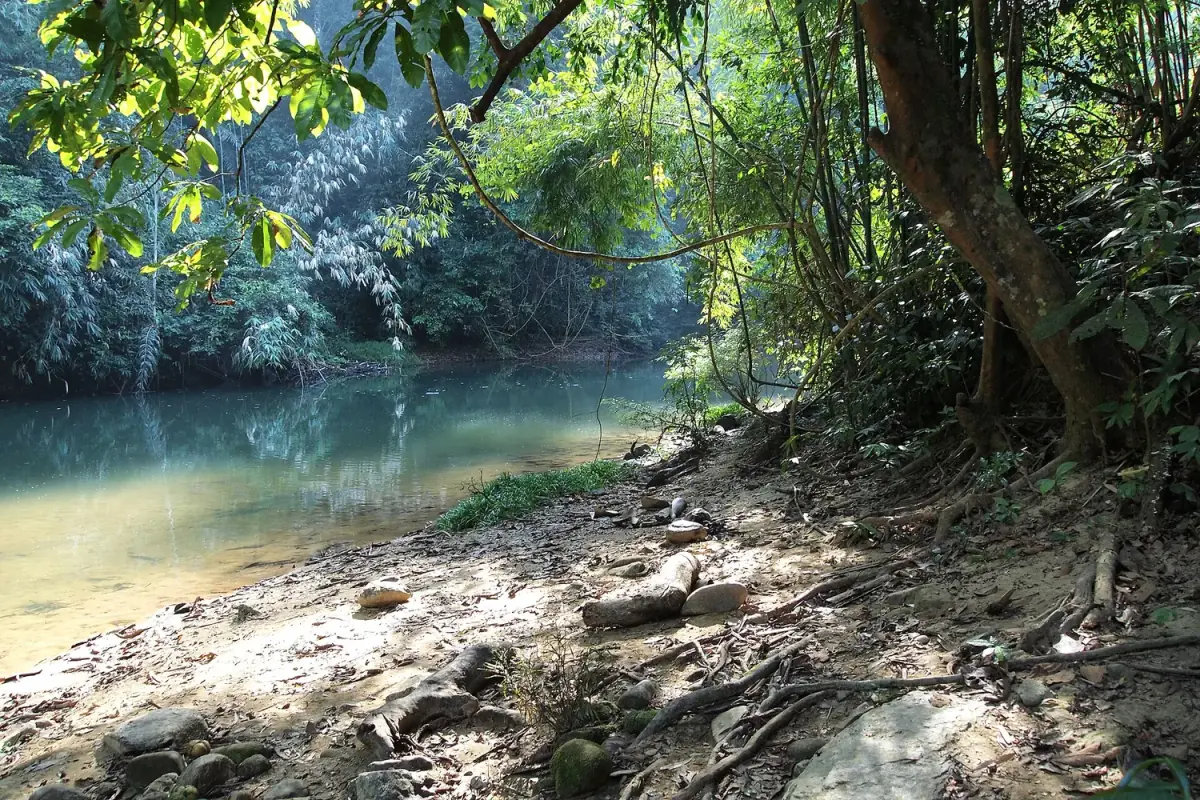
Two aquariums from Southeast Asia: calm forest streams and peat swamps with soft, brown water, and fast mountain streams with cool, oxygen-rich water.
A coldwater aquarium with European fish and plants, without a heater. The water follows the seasons, and summer heat is the biggest problem.
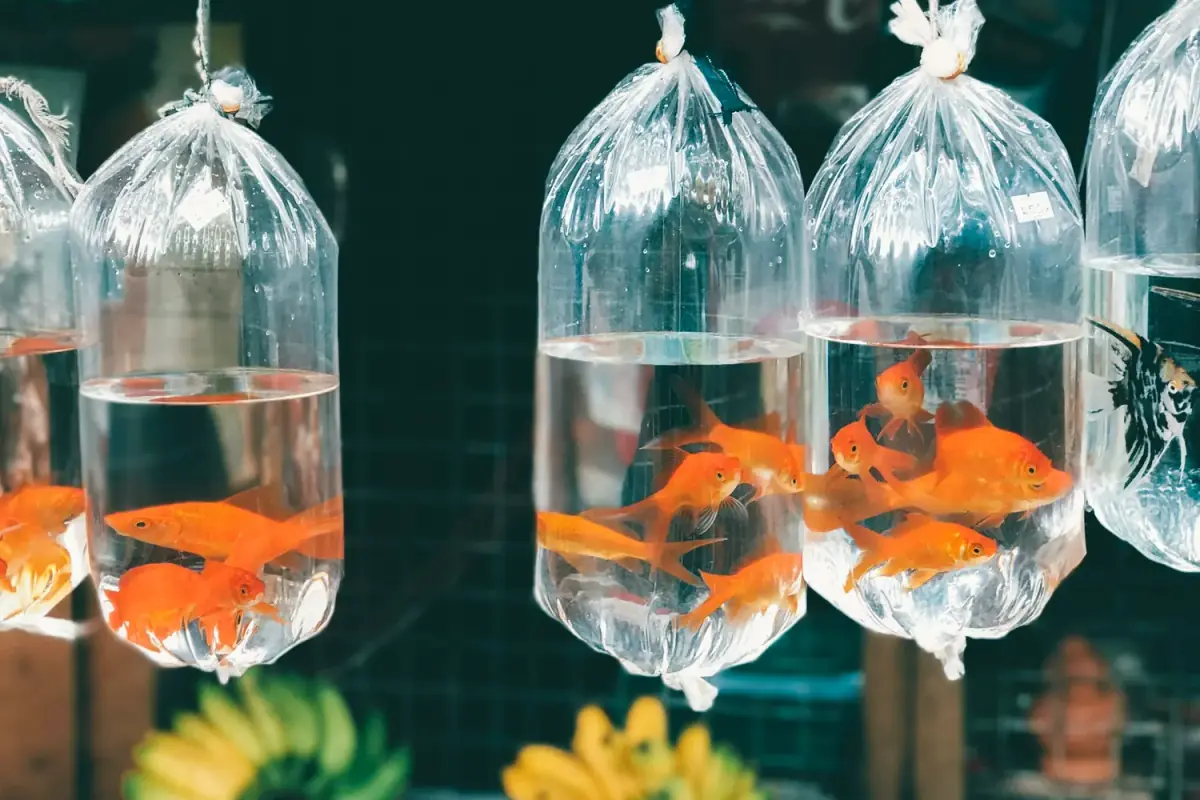
From the store to the tank: how to get the fish used to your water, why you should add only a few at a time, and what to watch for in the first few days.
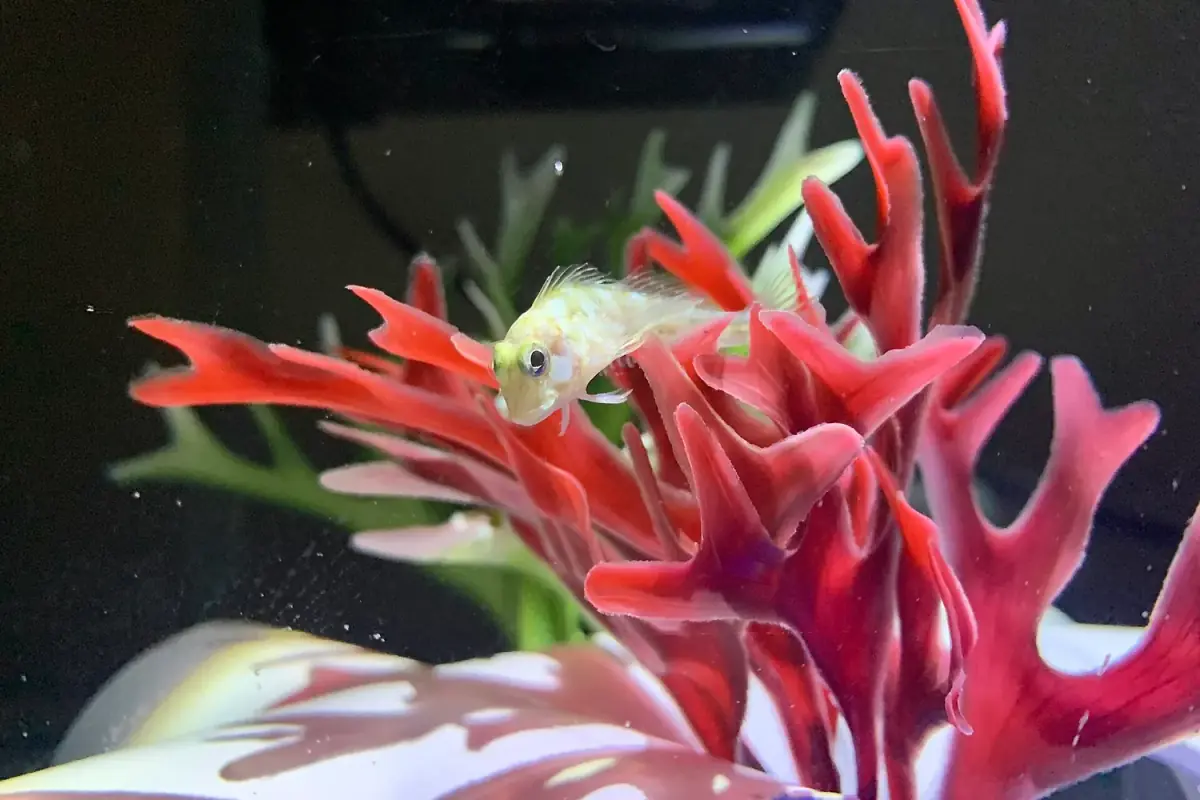
Why new fish should live in a tank of their own for a few weeks before they move in, what you need, and what to look for.