Freshwater
Elephantnose fish
Gnathonemus petersii
Mormyridae
Gnathonemus petersii
Mormyridae
Know what is missing? Suggest it in the app.
Lives wild in Angola, Cameroon, Central African Republic, Chad, Congo - Brazzaville, Congo - Kinshasa, Nigeria, and Zambia.
Occurs close to the bottom where it probes for food with the long snout. Territorial and usually aggressive towards members of its own species. This behavior has been shown to involve electric organ discharge (EOD) activity. Feeds mostly at night on worms and insects, probably aided by electro-sensory inputs. Electroreceptors are distributed over the entire head, the dorsal and ventral regions of the body, but absent from the side and the caudal peduncle where the electric organ is located. Sex-related EOD characteristics in this species has been demonstrated in the laboratory with freshly imported samples during the breeding season; such EOD dimorphism changed with time in captivity. Lead nitrate in water significantly increased EOD rate and selectively altered the EOD waveform of this species. Dubbed a `hearing specialist' having auditory abilities in the range of 100-2500 Hz, with `best frequencies' between 300 and 600 Hz. Aquarium keeping: in groups of 5 or more individuals; minimum aquarium size 150 cm; not recommended for home aquariums.
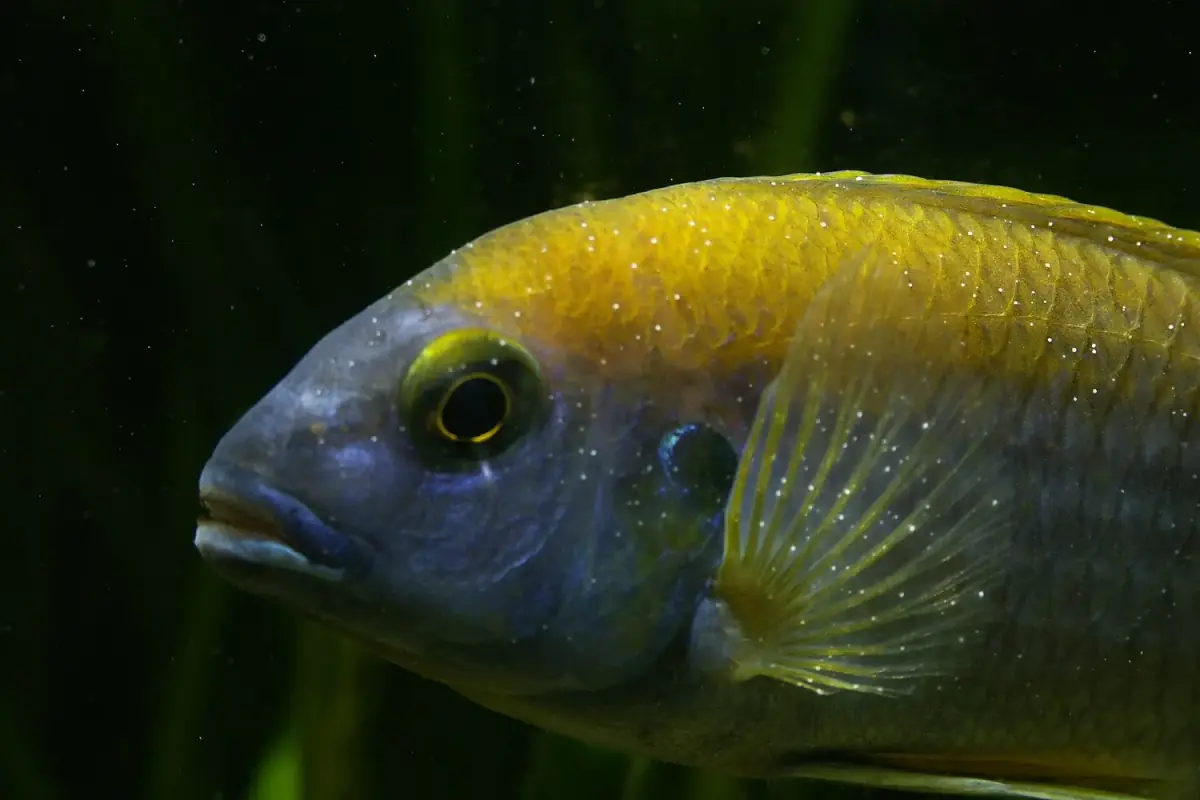
The most common disease in aquarium fish. How to recognize it, why it shows up, and how to get rid of it.
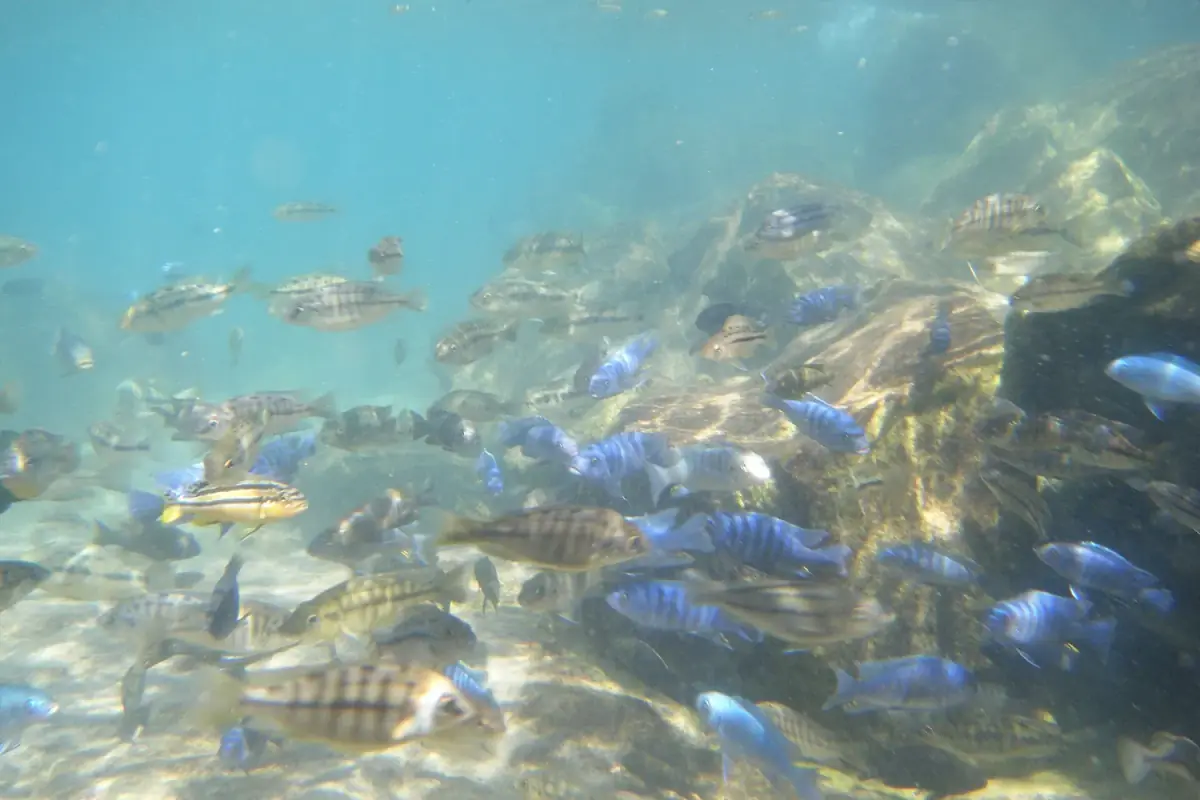
Two completely different aquariums: forest rivers with soft, brown water, roots and leaves, and Rift Valley lake cichlids in hard, alkaline water with big rock piles.
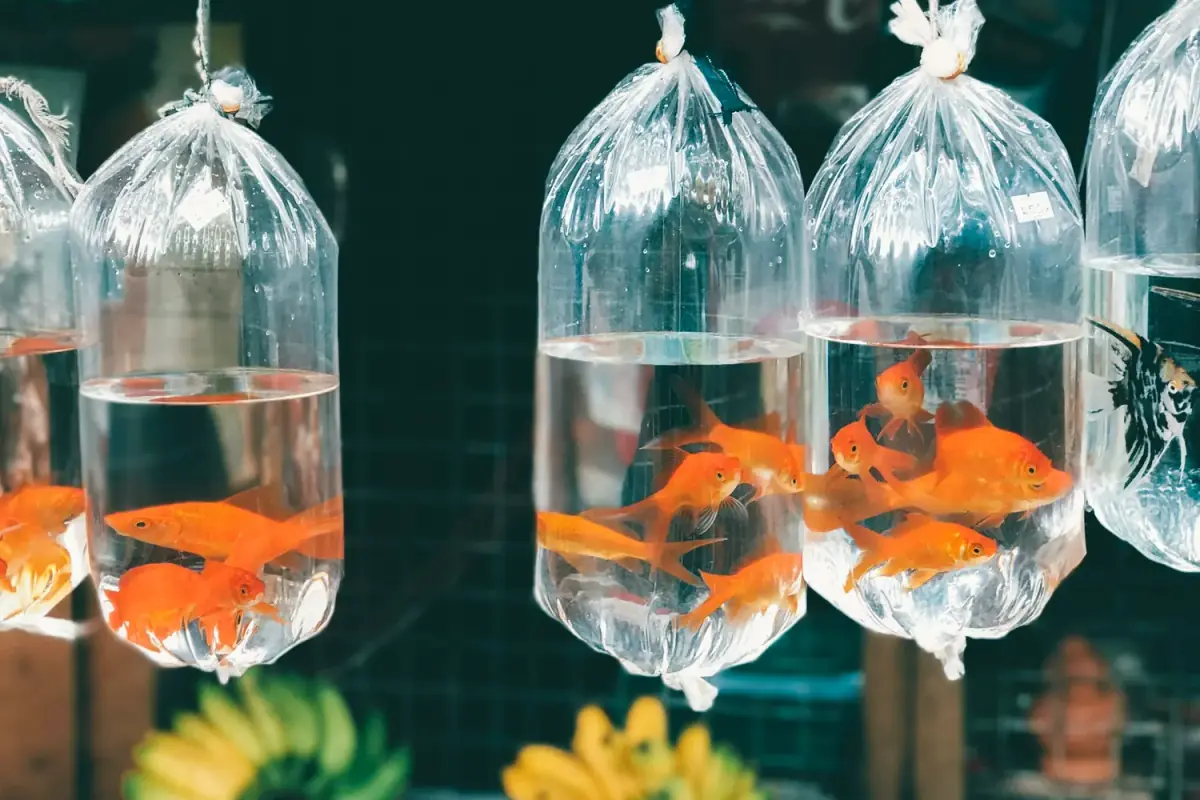
From the store to the tank: how to get the fish used to your water, why you should add only a few at a time, and what to watch for in the first few days.
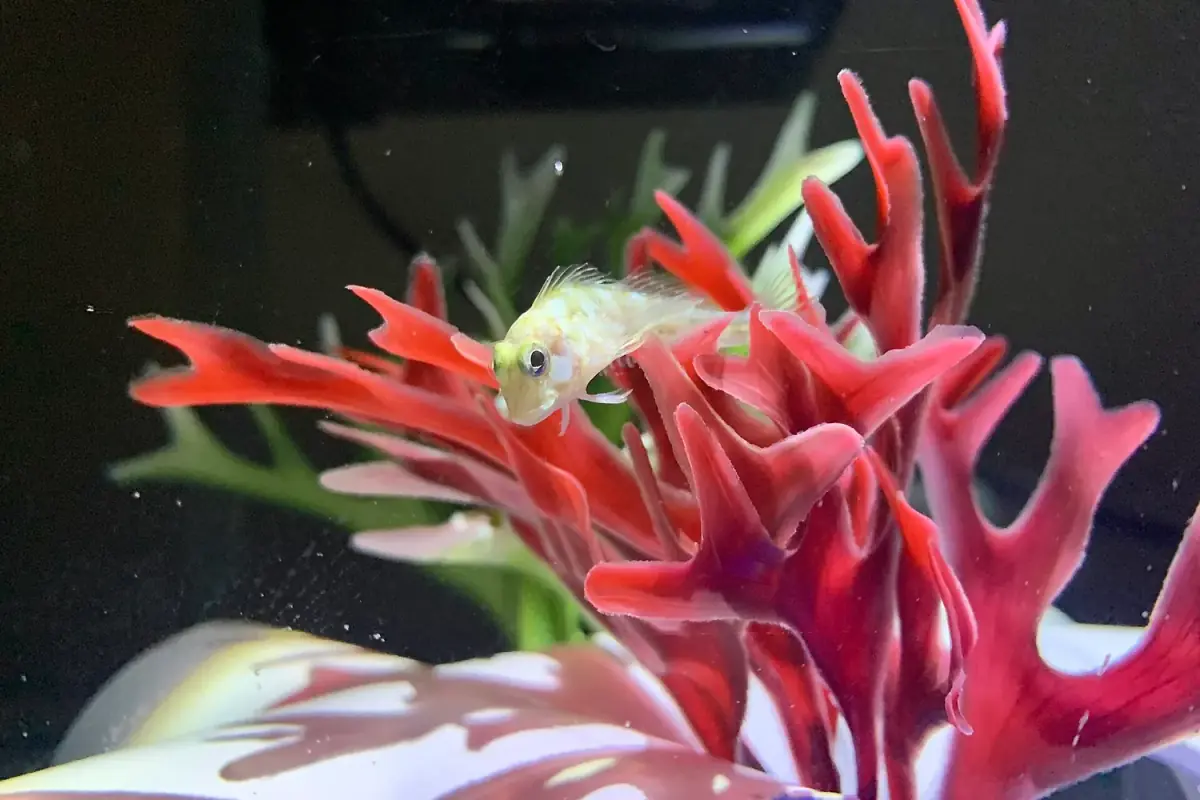
Why new fish should live in a tank of their own for a few weeks before they move in, what you need, and what to look for.