Freshwater
Blistering Ammania
Ammannia baccifera
Lythraceae
Ammannia baccifera
Lythraceae
Lives wild in Afghanistan, Angola, Australia, Bangladesh, Benin, Botswana, Burkina Faso, Burundi, and 61 more countries.
Introduced to Andaman Is., Greece, India, Jamaica, Japan, Leeward Is., Puerto Rico, Trinidad & Tobago, and 1 more country.
Ammannia baccifera, also known as the monarch redstem or blistering ammannia, is a species in the family Lythraceae. It is widespread in the tropical regions of Asia, America and Africa. It has been naturalized in Spain. It is annual and herbaceous, and can be found in marshes, swamps, rice fields and water courses at low elevations. It is considered endangered in Israel, but because it is widespread and common elsewhere, the IUCN considers it to be 'Least Concern'. The plant Ammannia baccifera Linn. is erect, branched, smooth, slender, annual, more or less purplish herb 10 to 50 centimeters in height. The stems are somewhat 4-angled. The leaves are oblong, oblanceolate, or narrowly elliptic, about 3.5 centimeters long – those on the branches very numerous, small, and 1 to 1.5 centimeters long – with narrowed base and pointed or somewhat rounded tip. The flowers are small, about 1.2 millimeters long, greenish or purplish, and borne in dense axillary clusters. The capsules are nearly spherical, depressed, about 1.2 millimeters in diameter, purple, and irregularly circumscribes above the middle. The seeds are black (Nadkarni, 1982).
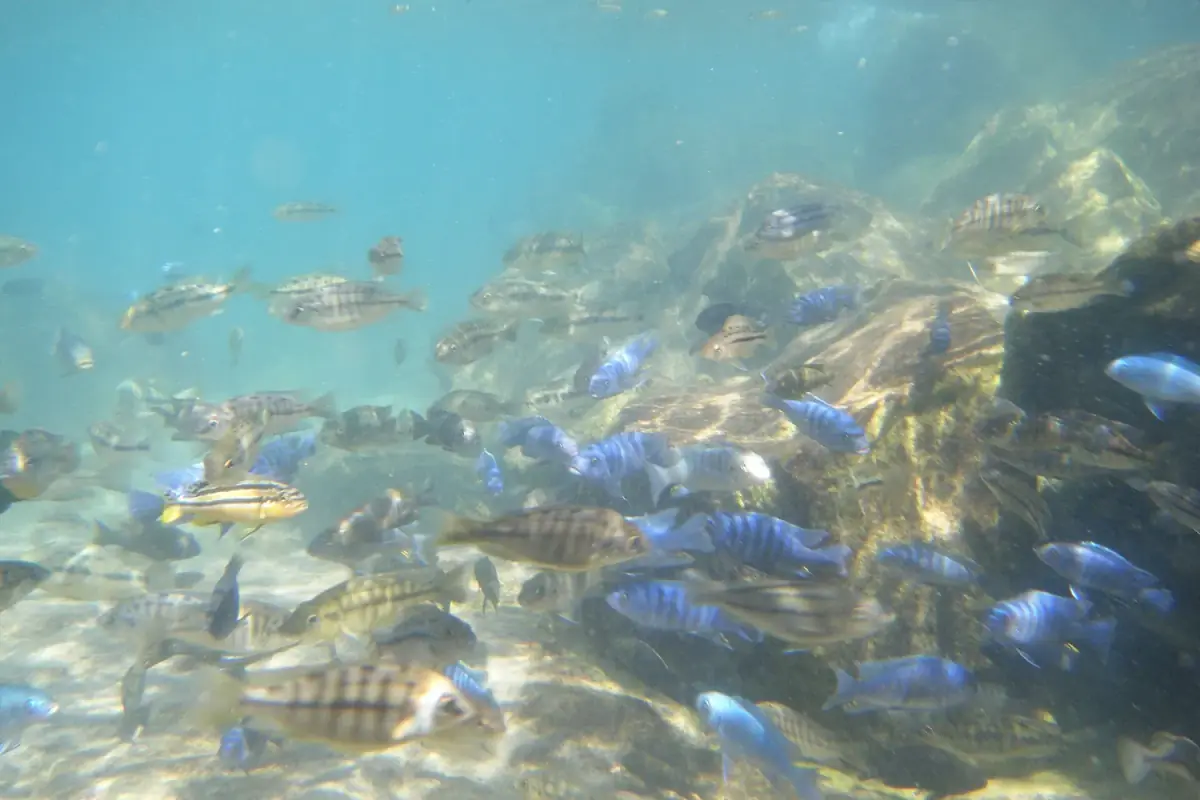
Two completely different aquariums: forest rivers with soft, brown water, roots and leaves, and Rift Valley lake cichlids in hard, alkaline water with big rock piles.
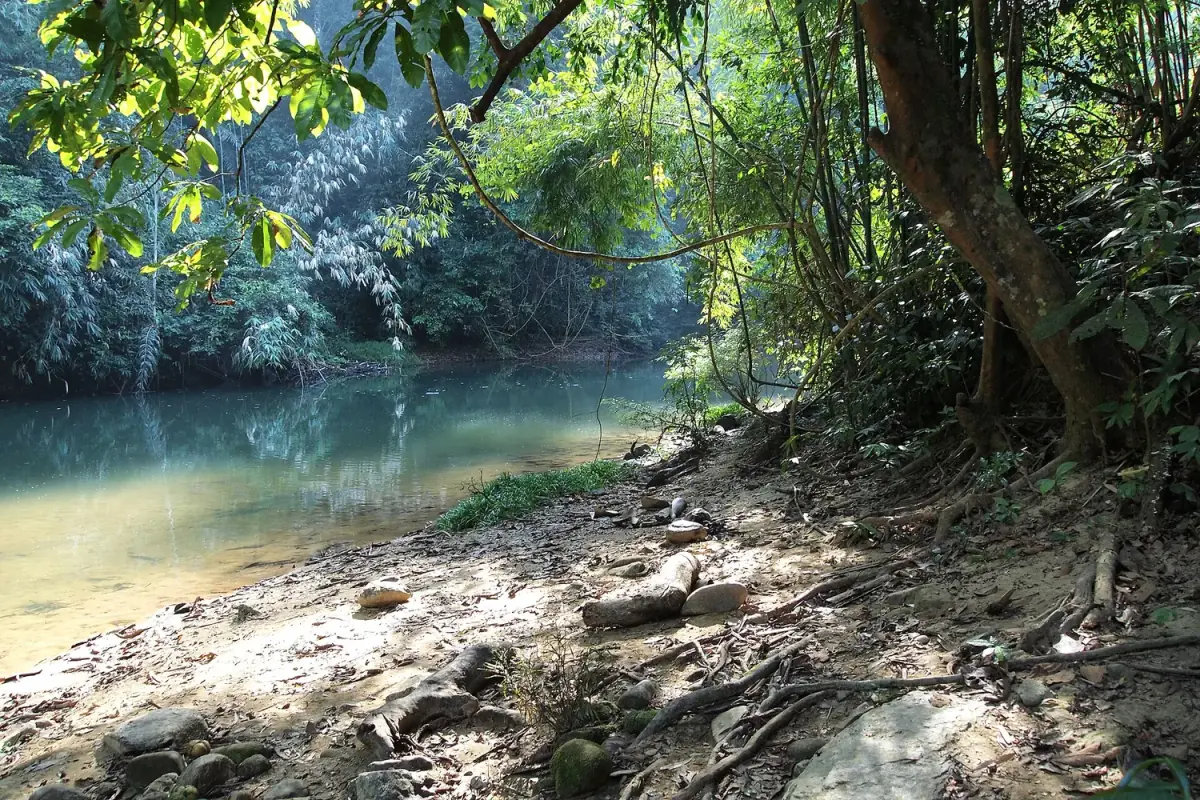
Two aquariums from Southeast Asia: calm forest streams and peat swamps with soft, brown water, and fast mountain streams with cool, oxygen-rich water.
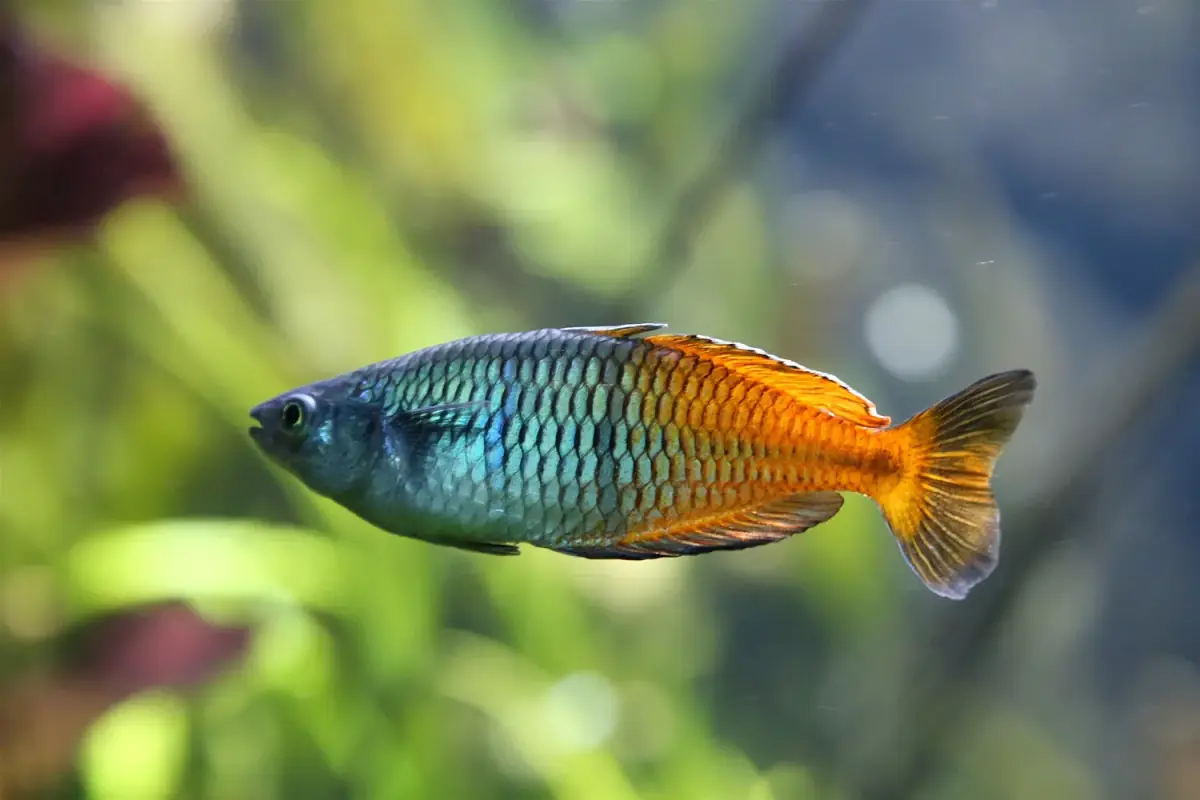
The home of rainbowfish: water, substrate, plants and light for rainbowfish, blue-eyes and peacock gudgeons, with a long aquarium and open water in the middle.
Light, nutrients and CO₂ in balance, low tech versus high tech, and how to read from the leaves what your plants are missing.