Freshwater
Water chestnut
Trapa natans
Lythraceae
Trapa natans
Lythraceae
Lives wild in Albania, Algeria, Angola, Austria, Baltic States, Bangladesh, Botswana, Bulgaria, and 54 more countries.
Introduced to Canada, Japan, and United States.
Trapa natans, the water caltrop, is a widespread species of flowering plant in the genus Trapa, family Lythraceae, grown as a food crop. Other vernacular names include buffalo nut, bat nut, devil pod, ling nut, mustache nut, singhara nut, water nut, and water chestnut, though this last name is commonly applied to Eleocharis dulcis. It is a floating annual aquatic plant, growing in slow-moving freshwater up to 5 metres (16 feet) deep, native to warm temperate parts of Eurasia and Africa. It bears horned fruits. Each fruit contains a single large seed. T. natans has been cultivated in China and the Indian subcontinent for the edible seeds for at least 3,000 years. In feudal Japan, the fruits were used as substitutes for iron caltrops, an area denial weapon; they were sharp enough to penetrate the shoes of the period. The Japanese manufacturing group Mitsubishi takes its name and its logo from the plant. The Bengali name for the samosa or fried triangular pastry snack, shingara, is likewise the name of the plant.
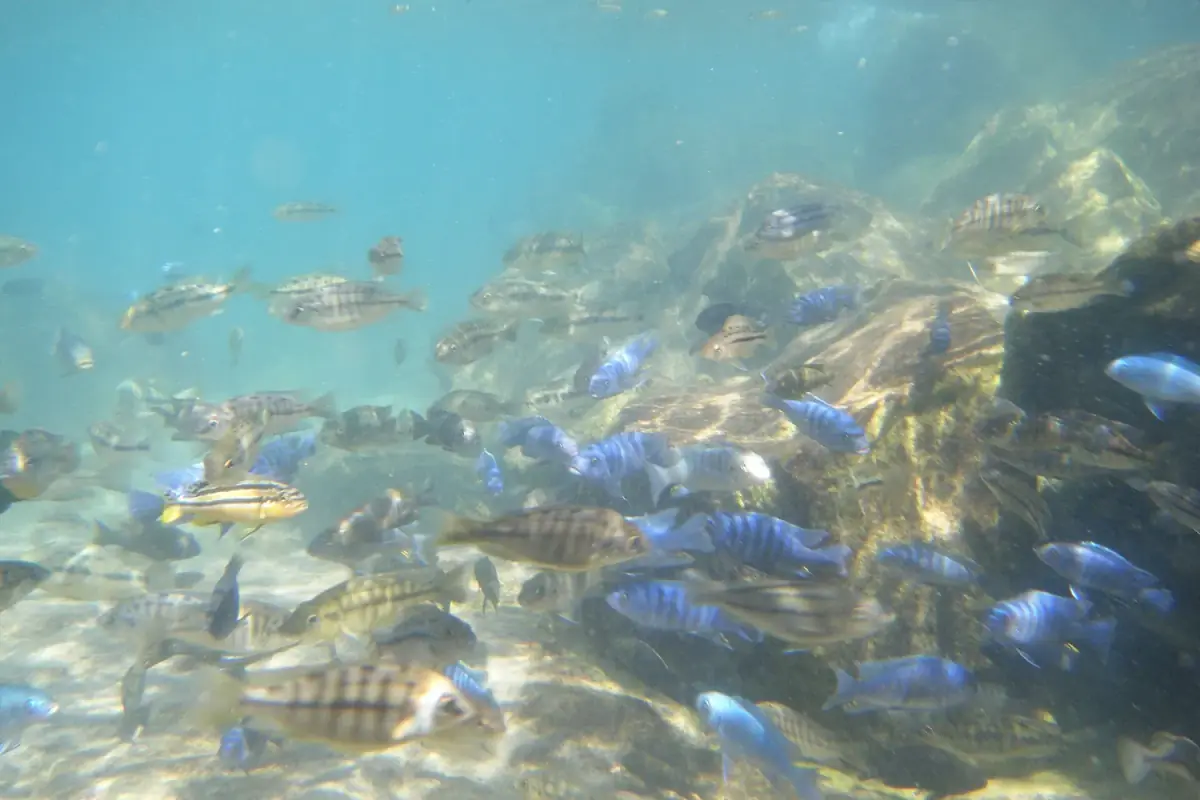
Two completely different aquariums: forest rivers with soft, brown water, roots and leaves, and Rift Valley lake cichlids in hard, alkaline water with big rock piles.
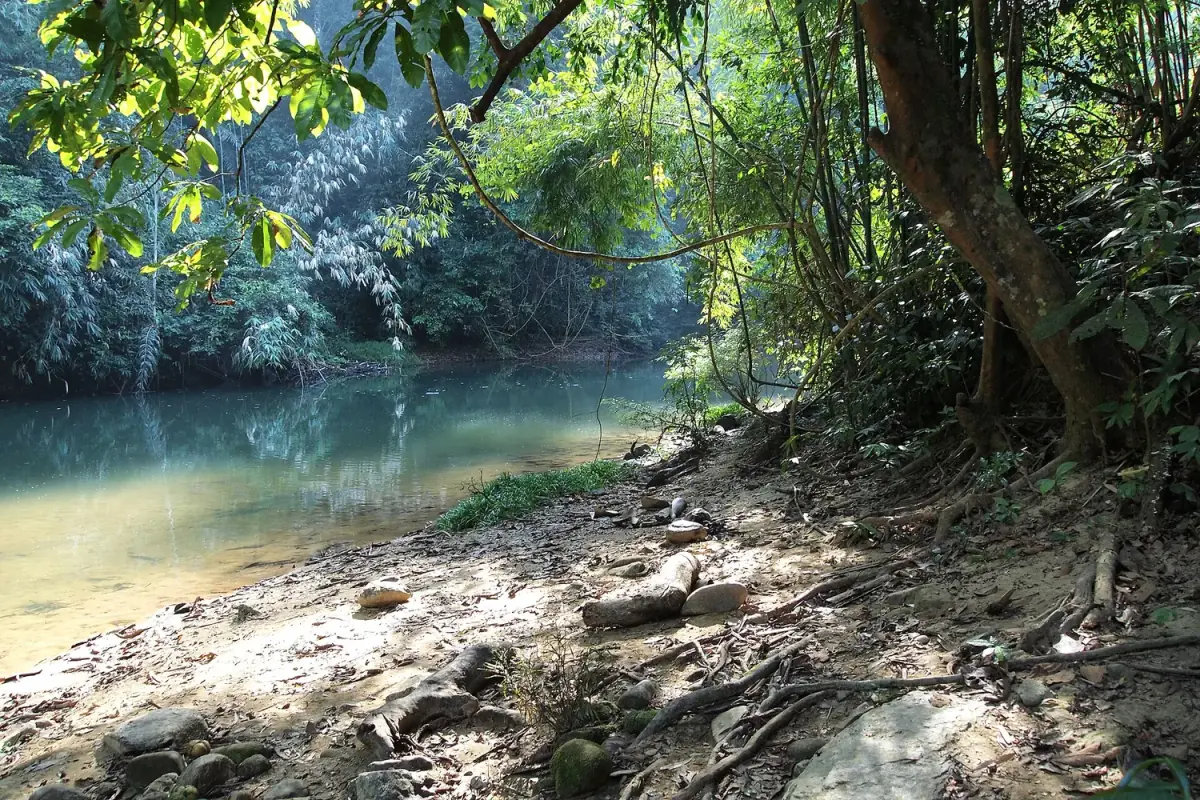
Two aquariums from Southeast Asia: calm forest streams and peat swamps with soft, brown water, and fast mountain streams with cool, oxygen-rich water.
A coldwater aquarium with European fish and plants, without a heater. The water follows the seasons, and summer heat is the biggest problem.
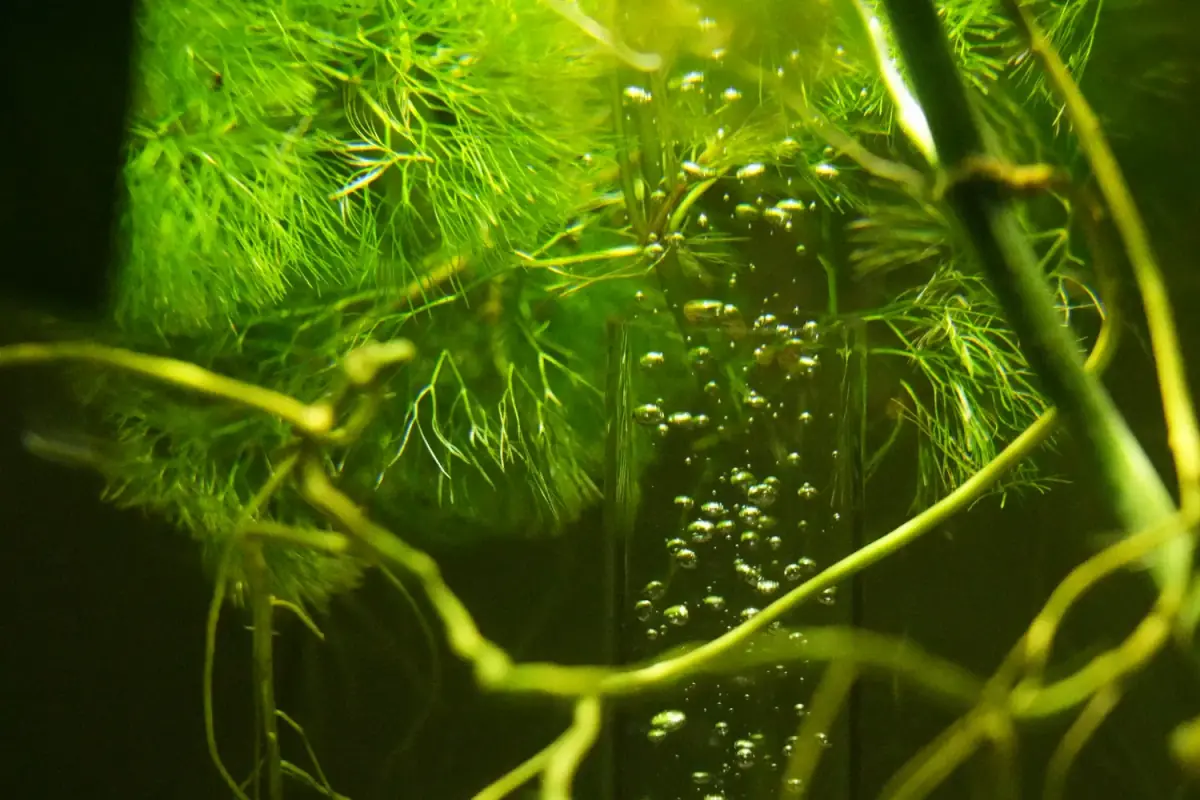
Light, nutrients and CO₂ in balance, low tech versus high tech, and how to read from the leaves what your plants are missing.