Freshwater
Banded knifefish
Gymnotus carapo
Gymnotidae, Gymnotinae
Gymnotus carapo
Gymnotidae, Gymnotinae
Know what is missing? Suggest it in the app.
Lives wild in Argentina, Bolivia, Brazil, Ecuador, French Guiana, Guatemala, Guyana, Mexico, and 6 more countries.
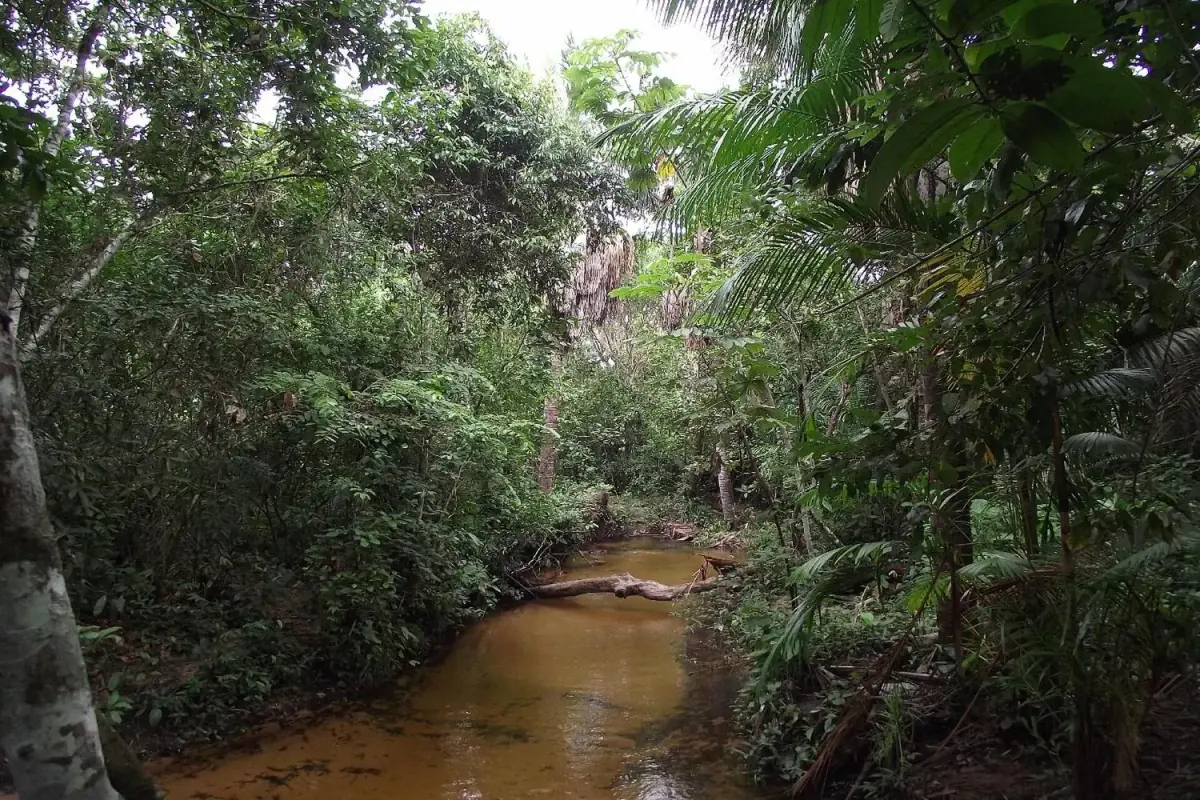
Aggressive. Inhabits turbid slow moving or standing waters. Found also in shallow edges of streams. Can survive when ditches, canals and small ponds dry out.. Feeds mainly at night on worms, insects (e.g. odonate larvae), shrimps, fish (preferably small characids, e.g. Ctenobrycon and Curimata) and plant matter. Oviparous. Mouth brooding by males is observed in this species. Males provide parental care in nests excavated for eggs and larvae. Uses its long anal fin for locomotion. Can distinguish between a `friendly neighbor' and a potentially `threatening stranger' based on electric organ discharge (EOD) waveform alone. Relationship between EOD pattern and agonistic behavior in this species has been demonstrated. Shows auditory abilities, responding best to a frequency of 1000 Hz, with an upper limit above 5000 Hz. Also responds to vibratory stimuli (water waves: 125-250 Hz) with transient increase in EOD rate. 'Prefers' temperatures of 24-25°C.
Temperament, fin nippers, fish that eat other fish, and fish that need the same water. And what the Harmony mark in the app means.
Soft, acidic water, subdued light, sand, roots and fallen leaves: how to set up a biotope aquarium from the Amazon and the rivers around it.
Hard, alkaline water, sand and rock: an aquarium from the rivers and lakes of Mexico and Central America, with cichlids and livebearers.
From the store to the tank: how to get the fish used to your water, why you should add only a few at a time, and what to watch for in the first few days.