FreshwaterBrackish
Philippine catfish
Clarias batrachus
Clariidae
Clarias batrachus
Clariidae
Know what is missing? Suggest it in the app.
Lives wild in Indonesia.
Introduced to China, Guam, Japan, Papua New Guinea, Philippines, Taiwan, and United States.
Adults inhabit lowland streams, swamps, ponds, ditches, rice paddies, and pools left in low spots after rivers have been in flood. Usually confined to stagnant, muddy water. Found in medium to large-sized rivers, flooded fields and stagnant water bodies including sluggish flowing canals. Undertake lateral migrations from the Mekong mainstream, or other permanent water bodies, to flooded areas during the flood season and returns to the permanent water bodies at the onset of the dry season. Can live out of water for quite sometime and move short distances over land. Can walk and leave the water to migrate to other water bodies using its auxiliary breathing organs. The Lao use this fish as lap pa or ponne pa. Feed on insect larvae, earthworms, shells, shrimps, small fish, aquatic plants and debris. An important food fish that is marketed live, fresh and frozen. Recently rare, being replaced by introduced African walking catfish.
Temperament, fin nippers, fish that eat other fish, and fish that need the same water. And what the Harmony mark in the app means.
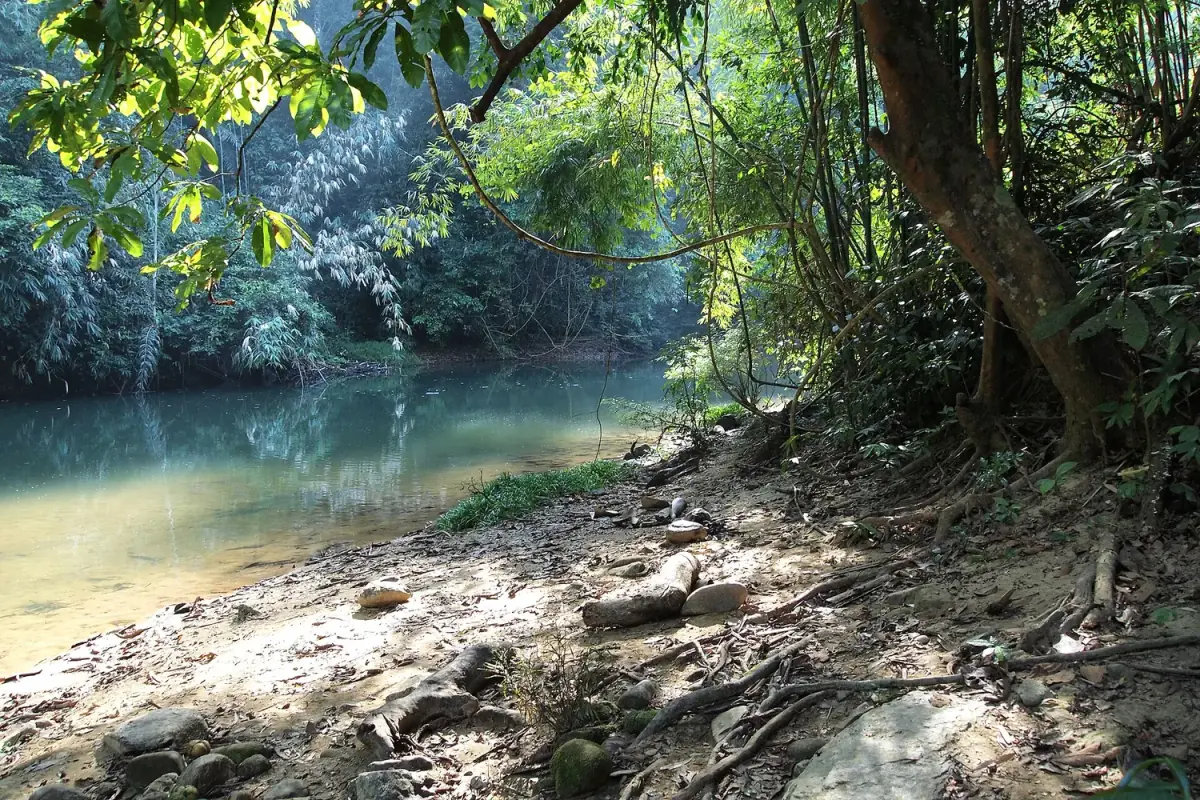
Two aquariums from Southeast Asia: calm forest streams and peat swamps with soft, brown water, and fast mountain streams with cool, oxygen-rich water.
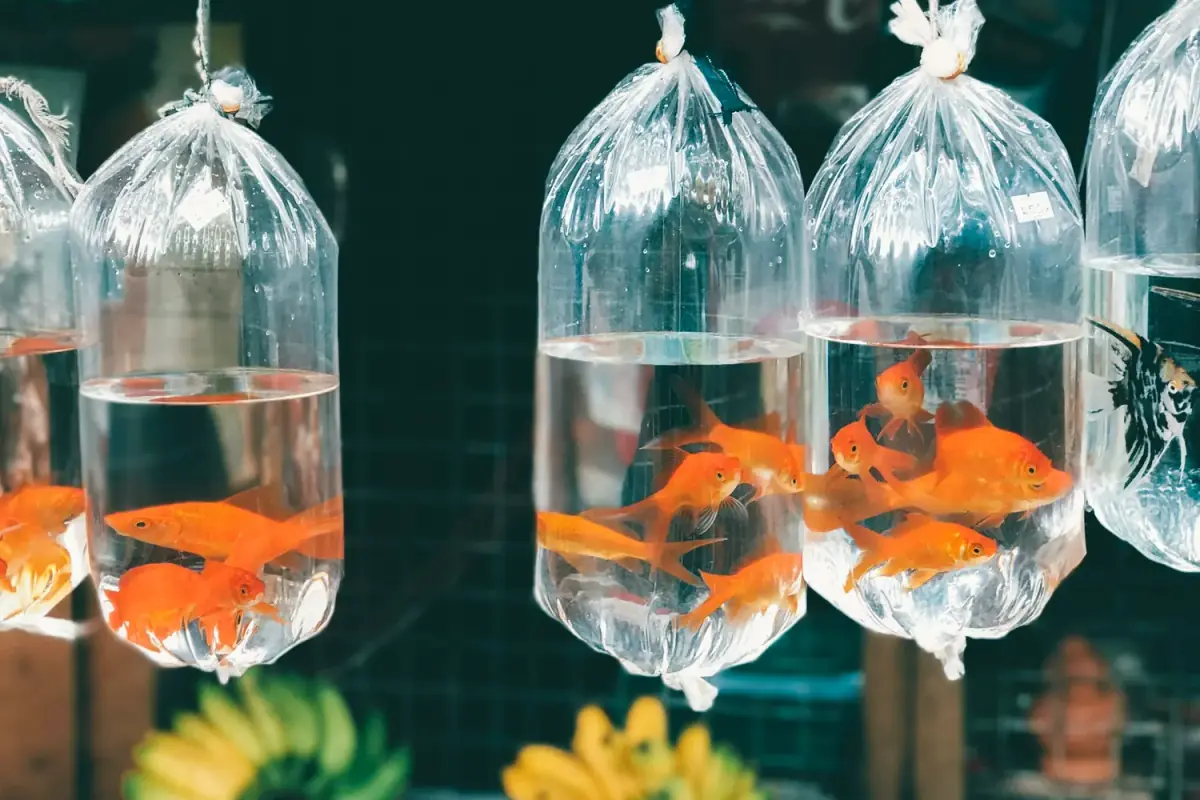
From the store to the tank: how to get the fish used to your water, why you should add only a few at a time, and what to watch for in the first few days.
Why new fish should live in a tank of their own for a few weeks before they move in, what you need, and what to look for.