FreshwaterBrackishSaltwater
Ninespine stickleback
Pungitius pungitius
Gasterosteidae
Pungitius pungitius
Gasterosteidae
Know what is missing? Suggest it in the app.
Know what is missing? Suggest it in the app.
Lives wild in Belarus, Belgium, Canada, China, Denmark, Estonia, Finland, France, and 15 more countries.
Introduced to Austria.
Found in shallow vegetated areas of lakes, ponds, and pools of sluggish streams; sometimes in open water over sand. Marine populations found near shore and move into fresh water to spawn. There appears to be seasonal movements inshore to shallow water in the spring for spawning, and, in the fall, offshore to deep water, or even to the less saline parts of the sea, by the young and adults that survive spawning. Nerito-pelagic. Feed on small invertebrates; also on aquatic insects and their eggs and larvae. Eggs are found in nests constructed from plant material. Males build, guard and aerate the nest where the eggs are deposited. Females grow faster and live longer than do other males. Males seldom live beyond age three, due to heavy post-spawning mortality, but females may live to age five or more. When abundant, it is preyed upon by other fishes; also preyed by birds. May be used as human or dog food or as a source of oil.
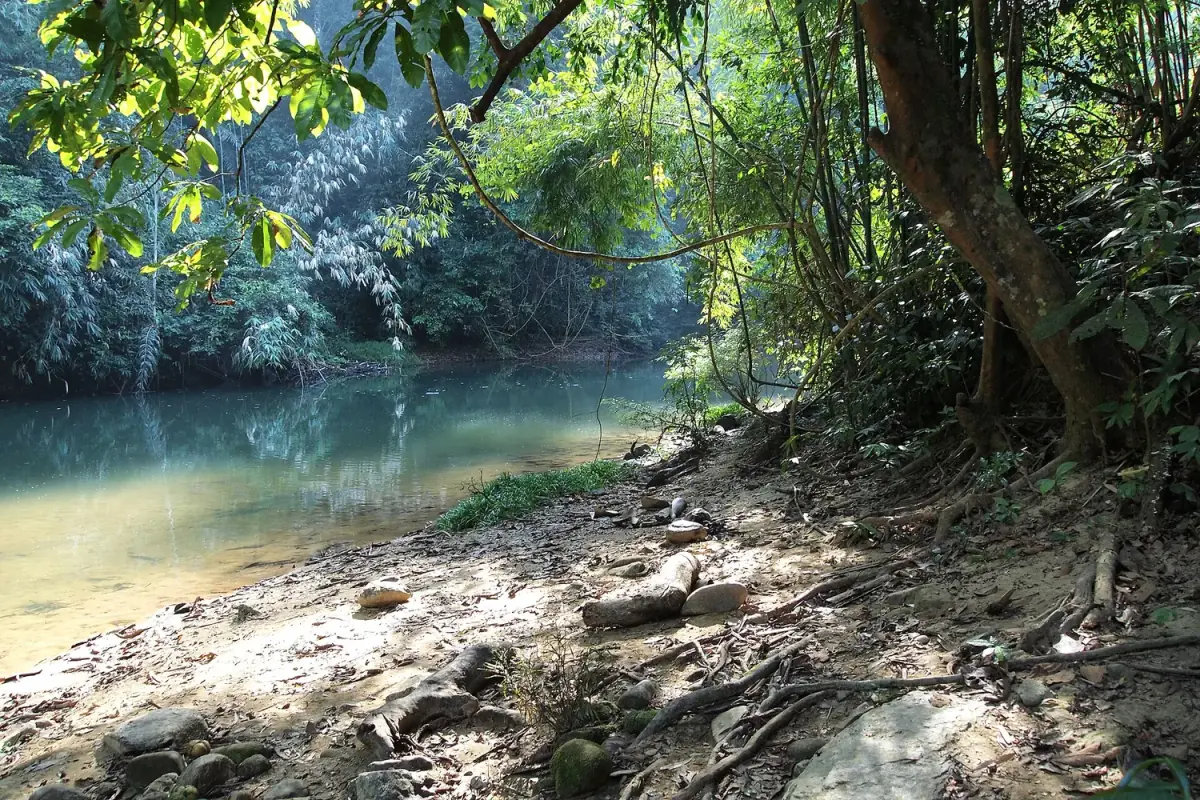
Two aquariums from Southeast Asia: calm forest streams and peat swamps with soft, brown water, and fast mountain streams with cool, oxygen-rich water.
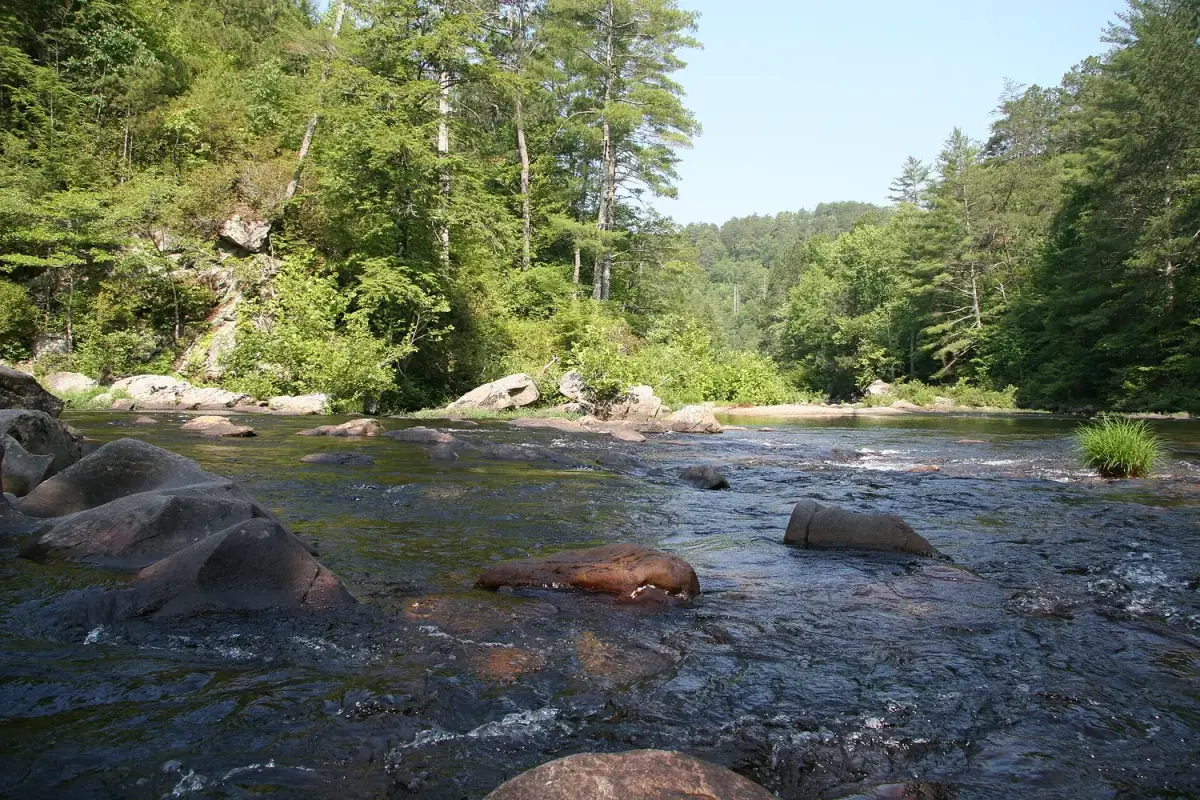
Streams and ponds in North America are often cool. How to set up an aquarium without a heater, with pygmy sunfish, shiners and darters.
A coldwater aquarium with European fish and plants, without a heater. The water follows the seasons, and summer heat is the biggest problem.
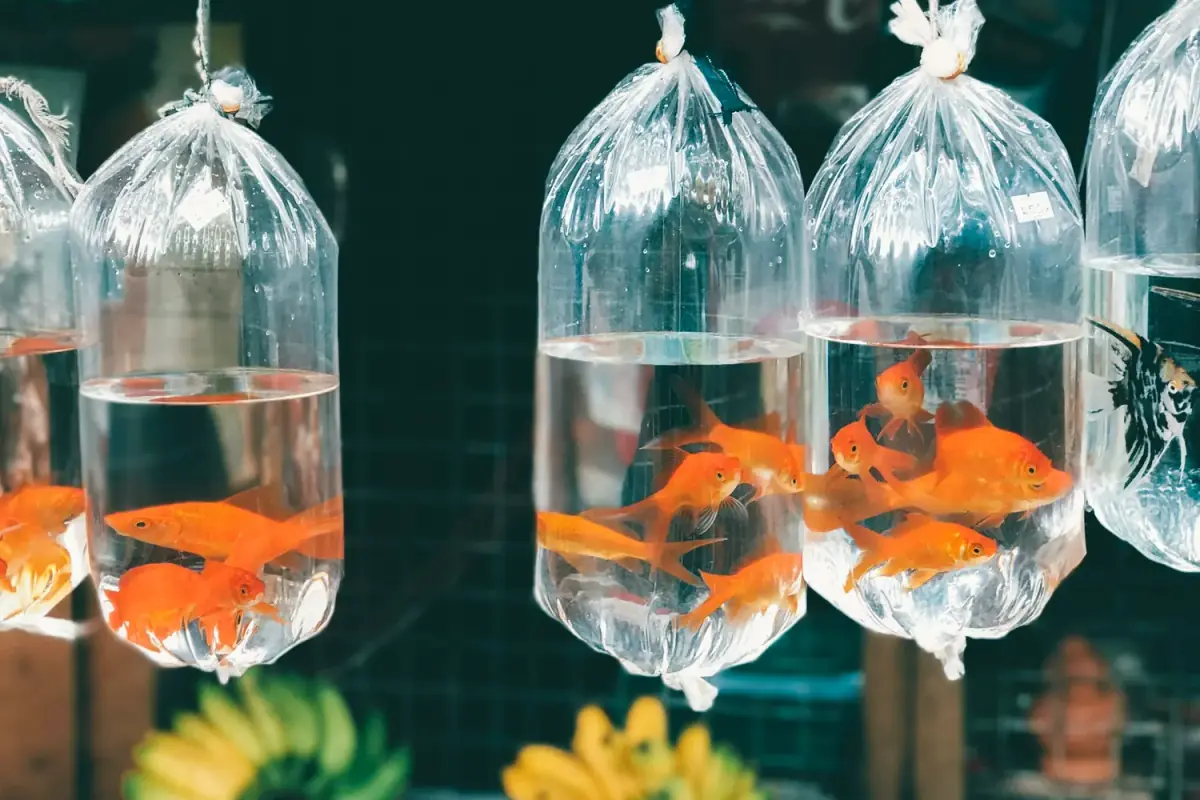
From the store to the tank: how to get the fish used to your water, why you should add only a few at a time, and what to watch for in the first few days.