Freshwater
Longtail knifefish
Sternopygus macrurus
Sternopygidae
Sternopygus macrurus
Sternopygidae
Know what is missing? Suggest it in the app.
Lives wild in Argentina, Bolivia, Brazil, Colombia, Ecuador, French Guiana, Guyana, Paraguay, and 3 more countries.
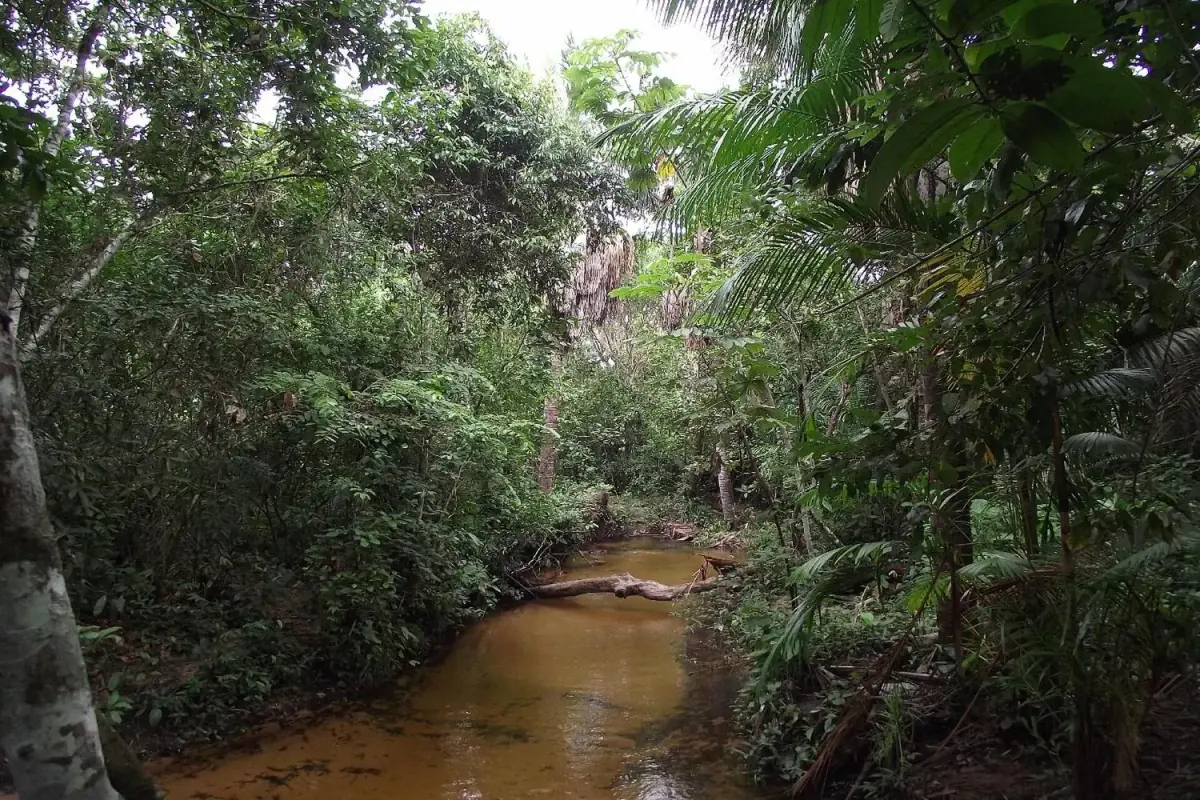
Occurs in swamps, creeks, and river with lentic waters. Preys on small invertebrates, particularly the larvae of aquatic insects. Breeds before the start of the rainy season or during the rainy season, with a fecundity count of 6473 eggs. Males persistently defend their territory and apparently make electric signals (by increased electric organ discharge (EOD) rates and interruptions thereof) to females passing by to draw in a spawning partner. Mature females' EODs are of higher frequencies than mature males. Plasma androgens modulate the EOD frequency during the breeding season. Embryos hatch on day 4; larvae begin to feed on day 11. The electric organ and electroreceptors are both present in the larva at the time of first exogenous feeding. Seems to reach sexual maturity at 1 year of age, based on breeding experiments.
Temperament, fin nippers, fish that eat other fish, and fish that need the same water. And what the Harmony mark in the app means.
Soft, acidic water, subdued light, sand, roots and fallen leaves: how to set up a biotope aquarium from the Amazon and the rivers around it.
From the store to the tank: how to get the fish used to your water, why you should add only a few at a time, and what to watch for in the first few days.
Why new fish should live in a tank of their own for a few weeks before they move in, what you need, and what to look for.