FreshwaterBrackish
Gudgeon
Gobio gobio
Gobionidae
Gobio gobio
Gobionidae
Know what is missing? Suggest it in the app.
Lives wild in Afghanistan, Andorra, Armenia, Austria, Belarus, Belgium, China, Croatia, and 29 more countries.
Introduced to Ireland, Italy, Morocco, Portugal, and Spain.
Occurs in nearly all types of riverine and lacustrine habitats with sand bottom. Found in small mountain streams, large lowland rivers and large lakes. Inhabits fast flowing rivers with sand or gravel bottom but may also occur in still waters. Forms schools. Feeds on insect larvae, mollusks, and crustaceans. Normally active during the day but if they are disturbed, in particular, by predators, they can defer their activity to periods when light intensity is weak. Capable of emitting squeaking sounds. These vocalizations, which is a means by which fish communicate with each other, vary with the degree of activity and the temperature and are independent of the season of reproduction. Breeds in shallow water over stones, sand or plant material. Eggs are released above substrate and drift with current, sinking to bottom and sticking to substrate. Larvae and juveniles occur on the bottom and prefer detritus-rich sandy habitats and low current.
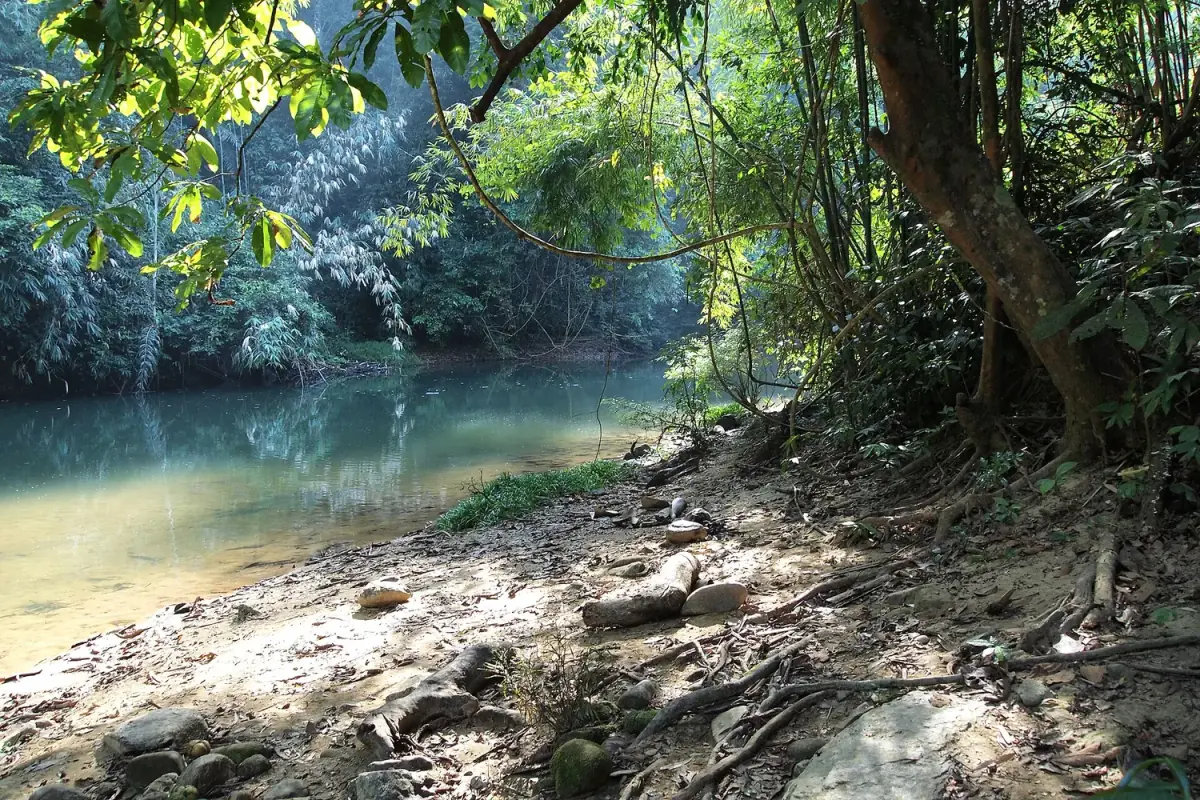
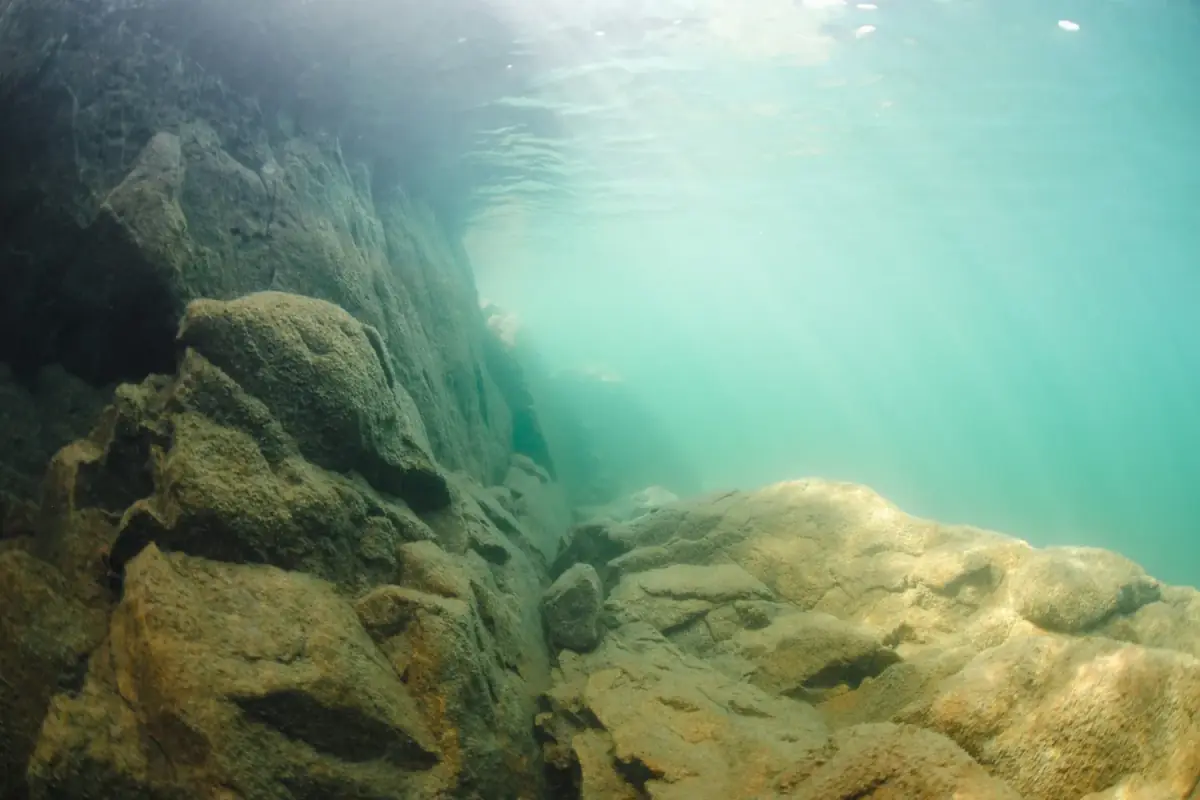
Two aquariums from Southeast Asia: calm forest streams and peat swamps with soft, brown water, and fast mountain streams with cool, oxygen-rich water.
A coldwater aquarium with European fish and plants, without a heater. The water follows the seasons, and summer heat is the biggest problem.
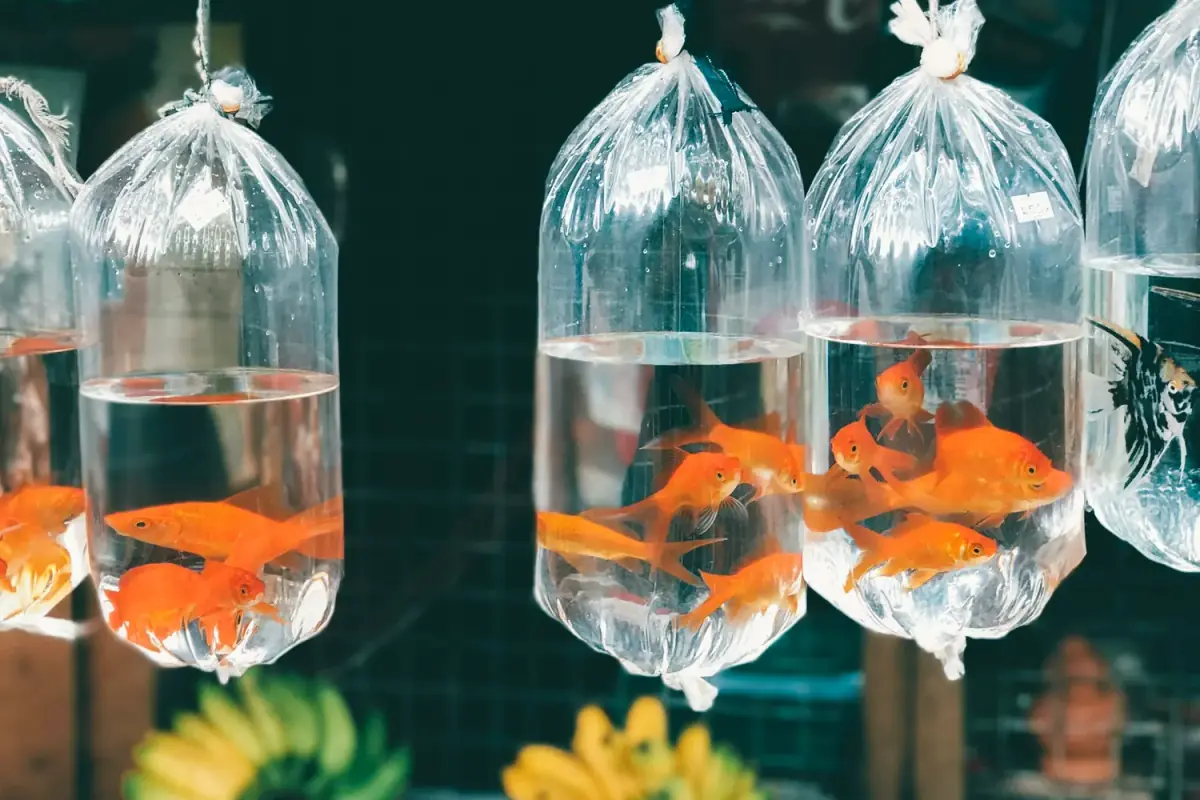
From the store to the tank: how to get the fish used to your water, why you should add only a few at a time, and what to watch for in the first few days.
Why new fish should live in a tank of their own for a few weeks before they move in, what you need, and what to look for.