FreshwaterBrackish
Crucian carp
Carassius carassius
Cyprinidae, Cyprininae
Carassius carassius
Cyprinidae, Cyprininae
Know what is missing? Suggest it in the app.
Lives wild in Andorra, Armenia, Austria, Azerbaijan, Belarus, Bosnia & Herzegovina, Bulgaria, China, and 33 more countries.
Introduced to Albania, Belgium, Chile, Croatia, Cyprus, Ethiopia, France, Greece, and 8 more countries.
Adults occur in shallow ponds, lakes rich in vegetation and slow moving rivers. They burrow in mud in the dry season or during winter. Usually restricted to densely vegetated backwaters and oxbows of lowland rivers. Can survive at high temperatures and at very low oxygen concentrations during summer and under ice cover. Tolerates cold, organic pollutants, and low oxygen levels in the water. Feeds all day but mainly at night on plankton, benthic invertebrates, plant materials and detritus. Usually does not occur in waters with rich ichthyofauna and abundant predatory species, but very abundant in the absence of other fish species. Spawns in dense submerged vegetation. Marketed fresh and frozen; eaten fried, broiled and baked. Live up to about 10 years. There is a gradual but continuing extirpation in many water bodies, especially in Danube drainage and central Europe, possibly to due competition with introduced Carassius gibelio in non-optimal habitats.
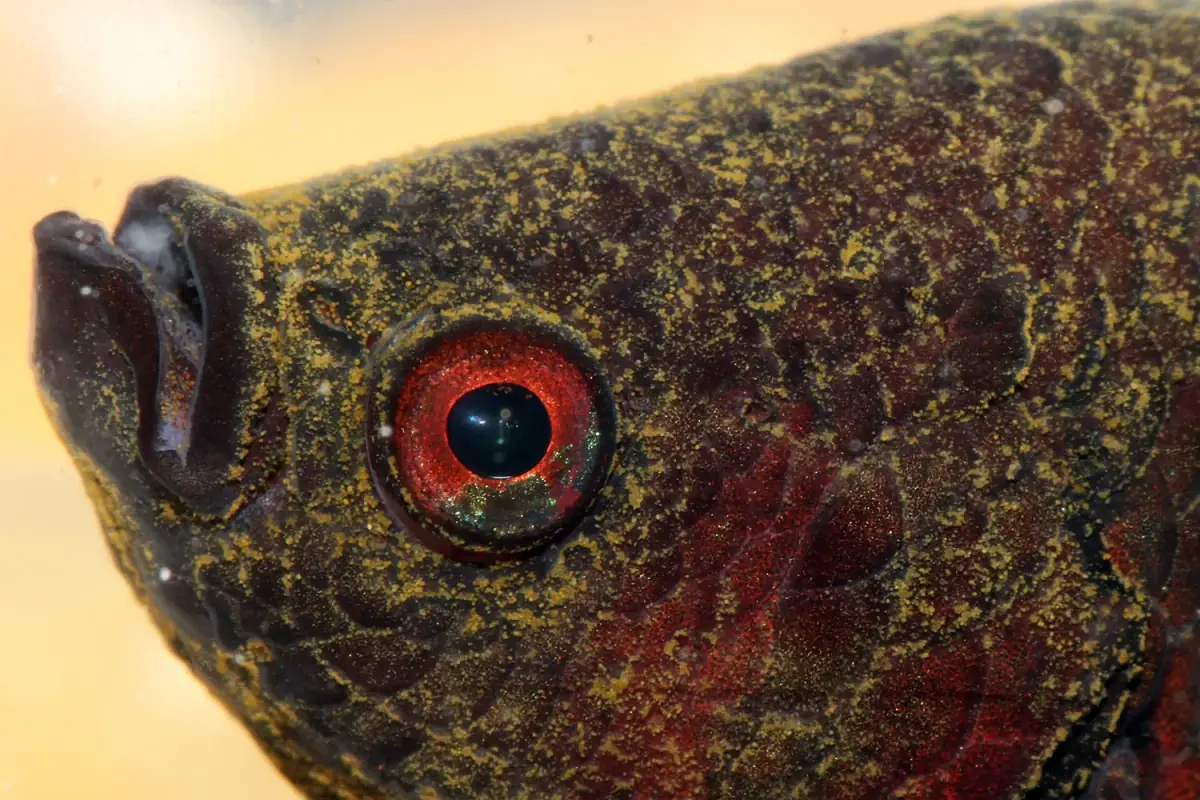
Velvet is a fast-moving parasite. Dropsy is a sign that something is seriously wrong inside the fish. How to recognize them, and what you can do.
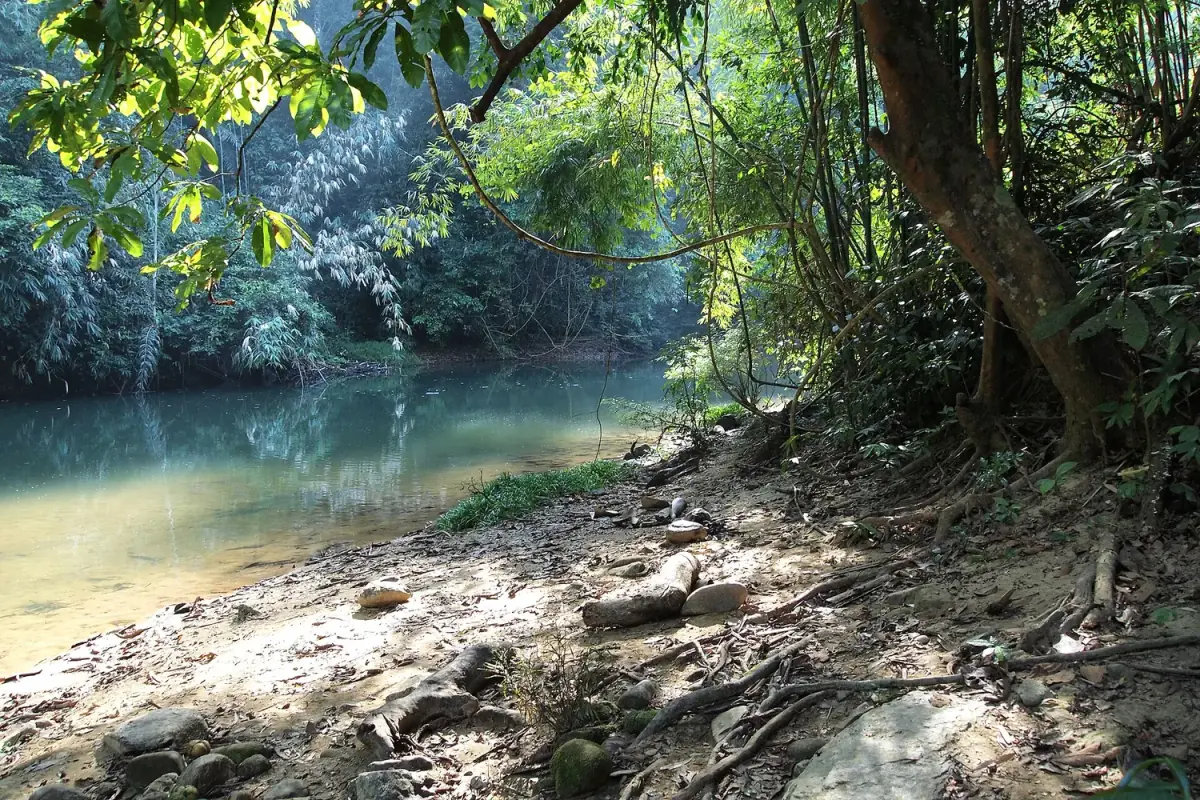
Two aquariums from Southeast Asia: calm forest streams and peat swamps with soft, brown water, and fast mountain streams with cool, oxygen-rich water.
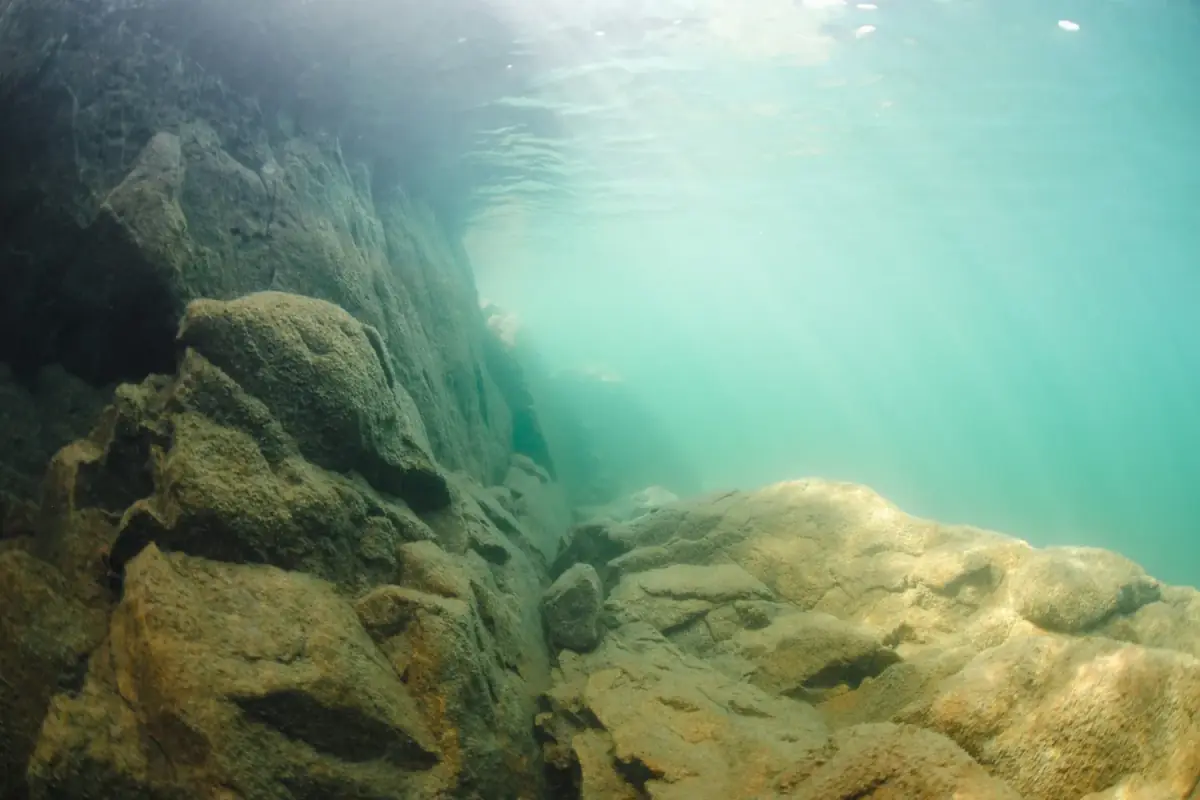
A coldwater aquarium with European fish and plants, without a heater. The water follows the seasons, and summer heat is the biggest problem.
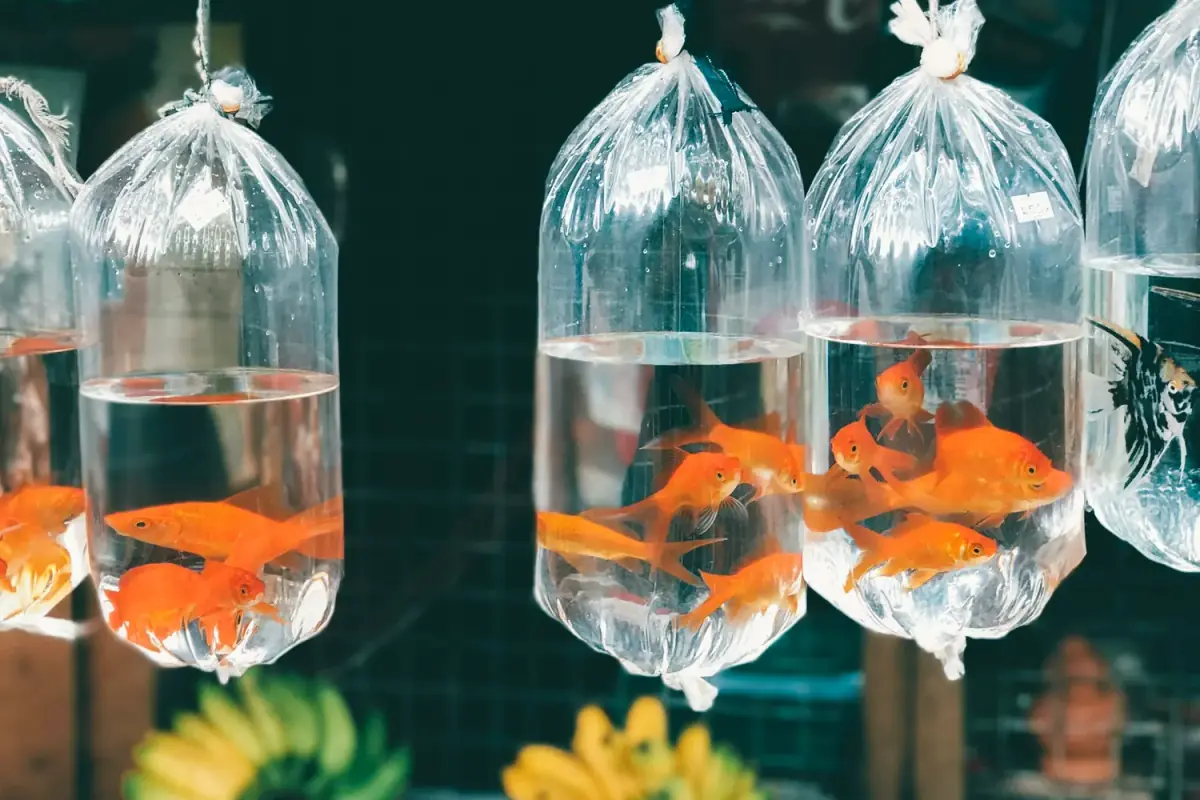
From the store to the tank: how to get the fish used to your water, why you should add only a few at a time, and what to watch for in the first few days.