FreshwaterBrackish
Chinese sleeper
Perccottus glenii
Odontobutidae
Perccottus glenii
Odontobutidae
Know what is missing? Suggest it in the app.
Lives wild in China, Kazakhstan, Mongolia, North Korea, Russia, South Korea, and Uzbekistan.
Introduced to Belarus, Bulgaria, Hungary, Latvia, Poland, Romania, Slovakia, and Ukraine.
Occurs in lentic waters, lakes, ponds, backwaters and marshes with dense underwater vegetation and avoids river stretches with fast and even slow current. Prefers stagnant rivers and bogs. Can tolerate poorly oxygenated water and able to survive in dried out or completely frozen water bodies by digging itself into mud where it hibernates. A voracious predatory fish (wide variety of invertebrates, tadpoles and fish) constituting a most serious threat to aquatic fauna wherever it occurs. In small water bodies; known to extirpate almost all other fish species and amphibian larvae. Spawns for the first time at 1-3 years and about 6.0 cm SL. Spawns several potions of eggs in May to June at 15-20°C. Elongated eggs (3.8 x 1.3 mm) with sticky filaments usually deposited in one row close to water surface on underwater structures such as roots, leaves and others. Males guard the eggs and pelagic larvae.
Temperament, fin nippers, fish that eat other fish, and fish that need the same water. And what the Harmony mark in the app means.
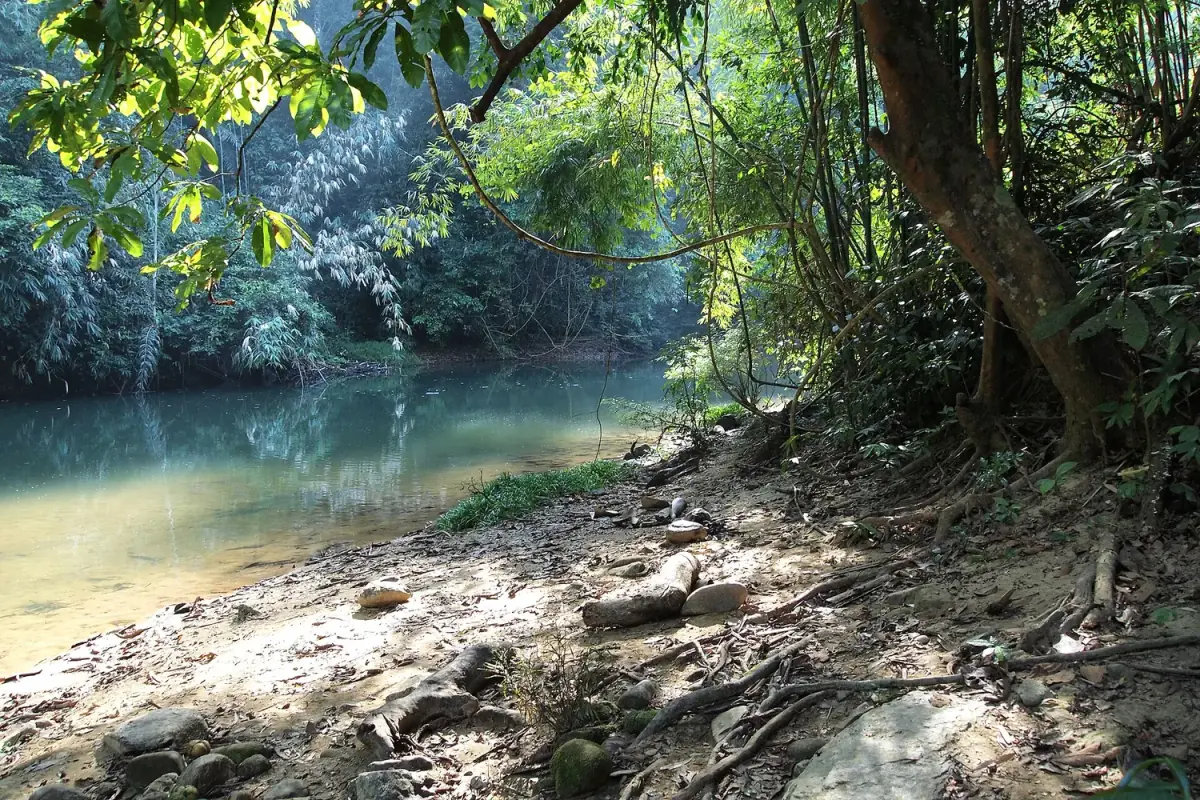
Two aquariums from Southeast Asia: calm forest streams and peat swamps with soft, brown water, and fast mountain streams with cool, oxygen-rich water.
From the store to the tank: how to get the fish used to your water, why you should add only a few at a time, and what to watch for in the first few days.
Why new fish should live in a tank of their own for a few weeks before they move in, what you need, and what to look for.