Freshwater
Red piranha
Pygocentrus nattereri
Serrasalmidae, Serrasalminae
Pygocentrus nattereri
Serrasalmidae, Serrasalminae
Know what is missing? Suggest it in the app.
Lives wild in Argentina, Bolivia, Brazil, Colombia, Ecuador, Guyana, Paraguay, Peru, and 2 more countries.
Introduced to Albania, China, and Türkiye.
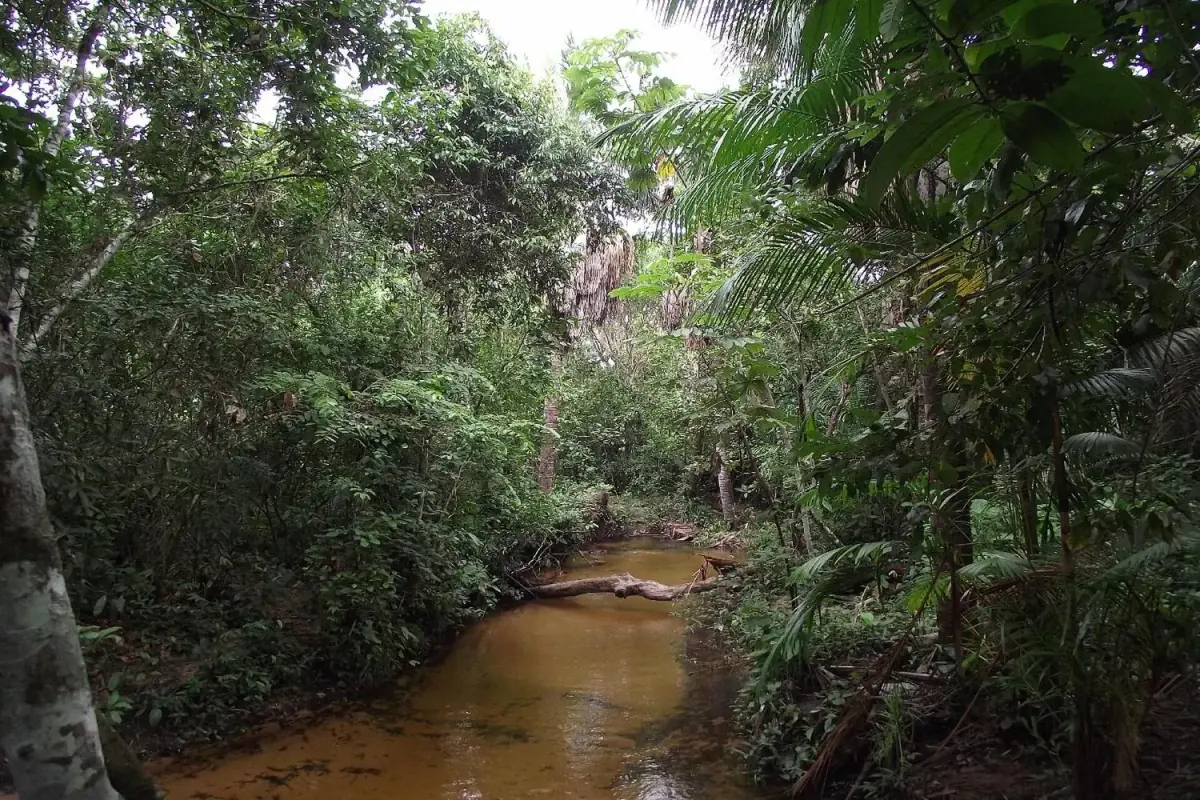
Common in creeks and interconnected ponds in Matto Grosso, Brazil, where it influences distribution and feeding of other fish and in areas of high primary production in Rio Machado and Rio Negro. Adults feed mainly at dusk and dawn. Feeds on insects, worms and fish. Medium-sized to large individuals (15-24 cm length) forage mainly at dawn, late afternoon and night up to about 2200H, whereas smaller fish (8-11 cm) are active mainly during the day. Teeth replacement on alternating sides of jaw allows continuous feeding. Its powerful dentition can inflict serious bites. Has a highly evolved auditory capacity and a 'lurking', then 'dashing' behavior during daytime. Shows hierarchies within small schools. Available information on body composition of 'piranha caju' flesh is 8.2% fat, 15.0% protein and 4.4% ash.
Temperament, fin nippers, fish that eat other fish, and fish that need the same water. And what the Harmony mark in the app means.
Soft, acidic water, subdued light, sand, roots and fallen leaves: how to set up a biotope aquarium from the Amazon and the rivers around it.
From the store to the tank: how to get the fish used to your water, why you should add only a few at a time, and what to watch for in the first few days.
Why new fish should live in a tank of their own for a few weeks before they move in, what you need, and what to look for.