Freshwater
Spotted hoplo
Megalechis picta
Callichthyidae, Callichthyinae
Megalechis picta
Callichthyidae, Callichthyinae
Know what is missing? Suggest it in the app.
Lives wild in Bolivia, Brazil, Colombia, Ecuador, French Guiana, Guyana, Peru, Suriname, and 2 more countries.
Ubiquitous. Occurs in ponds, swamps and flooded savanna. May also occur in inland creeks with strong current. When the swamps are drained during the dry season, they burrow in the mud at a depth of 15-25 cm and remain there until the first rains. They hide only at the bottom of the marshes which remain always a little muddy even during the dry season. Today, they are presently captured with the net. Previously, fishermen drained the marshes in order to unearth the fish which had hidden there. Omnivore. Intestinal breathing, complementary to branchial breathing, enables them to adapt to extreme hypoxic conditions which occur in their biotopes. For these reasons, the relevant intestinal zone has a more reduced mucus epithelium as well as an increased blood system. In the dry season when swamps get dry, they sink deeper into the muddy substrate down to a depth of 20 cm. This way, they live at a slower pace, often in groups, until the next rainy season. At the end of October, the fishermen dig them up because they are appreciated for their flesh. At other times, they are fished with nets.
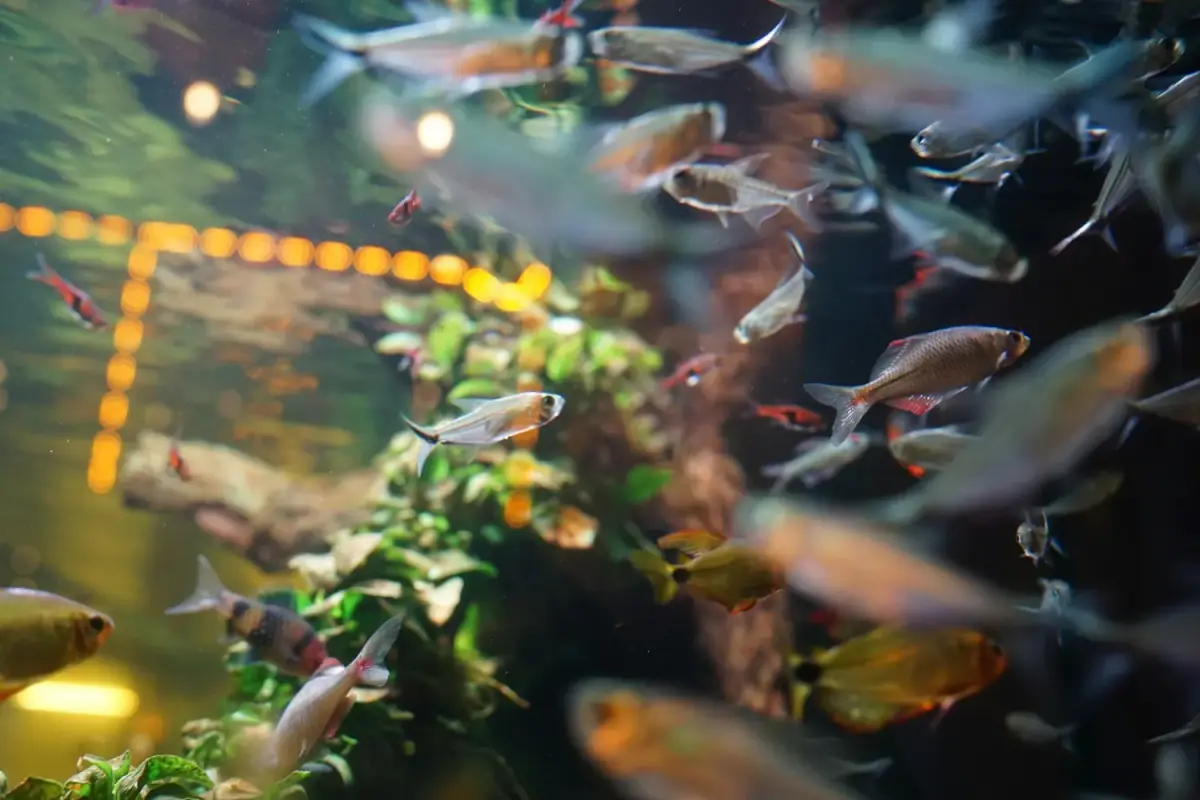
Why "one cm of fish per liter" falls short, and what adult size, schools, territory and swimming zones mean for how many fish a tank can hold.
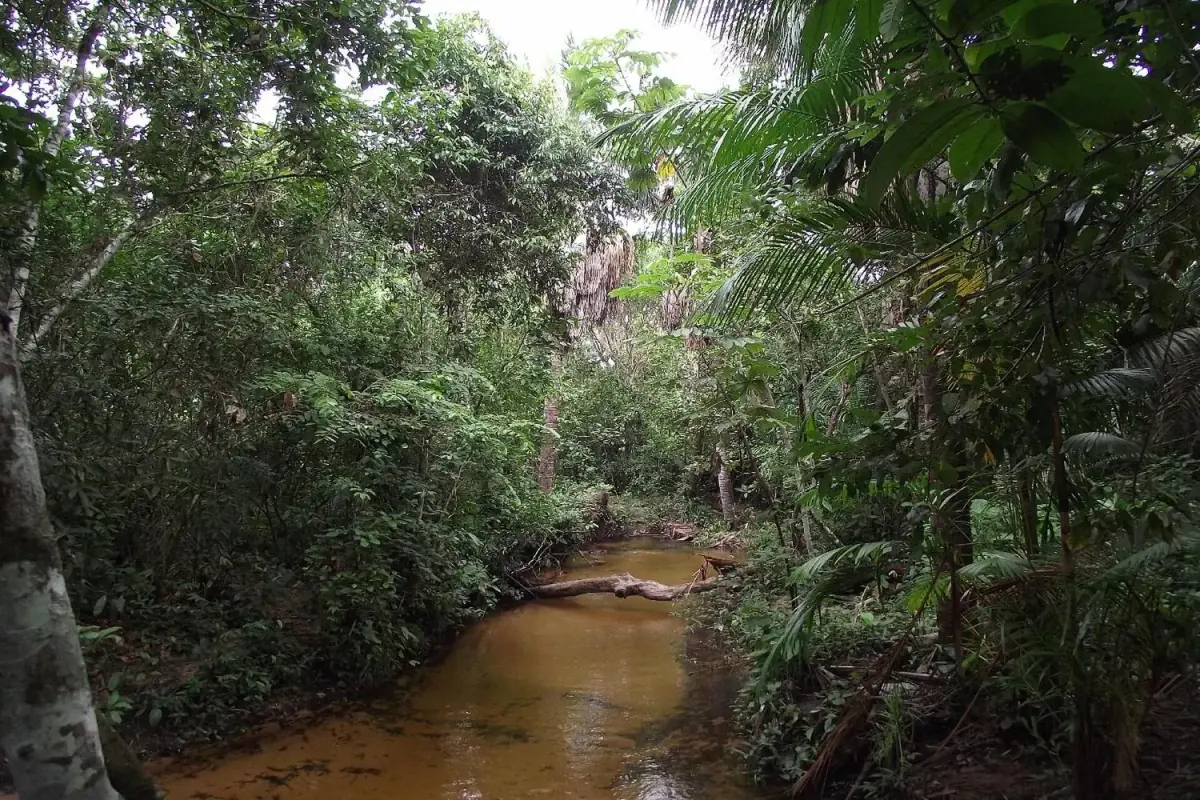
Soft, acidic water, subdued light, sand, roots and fallen leaves: how to set up a biotope aquarium from the Amazon and the rivers around it.
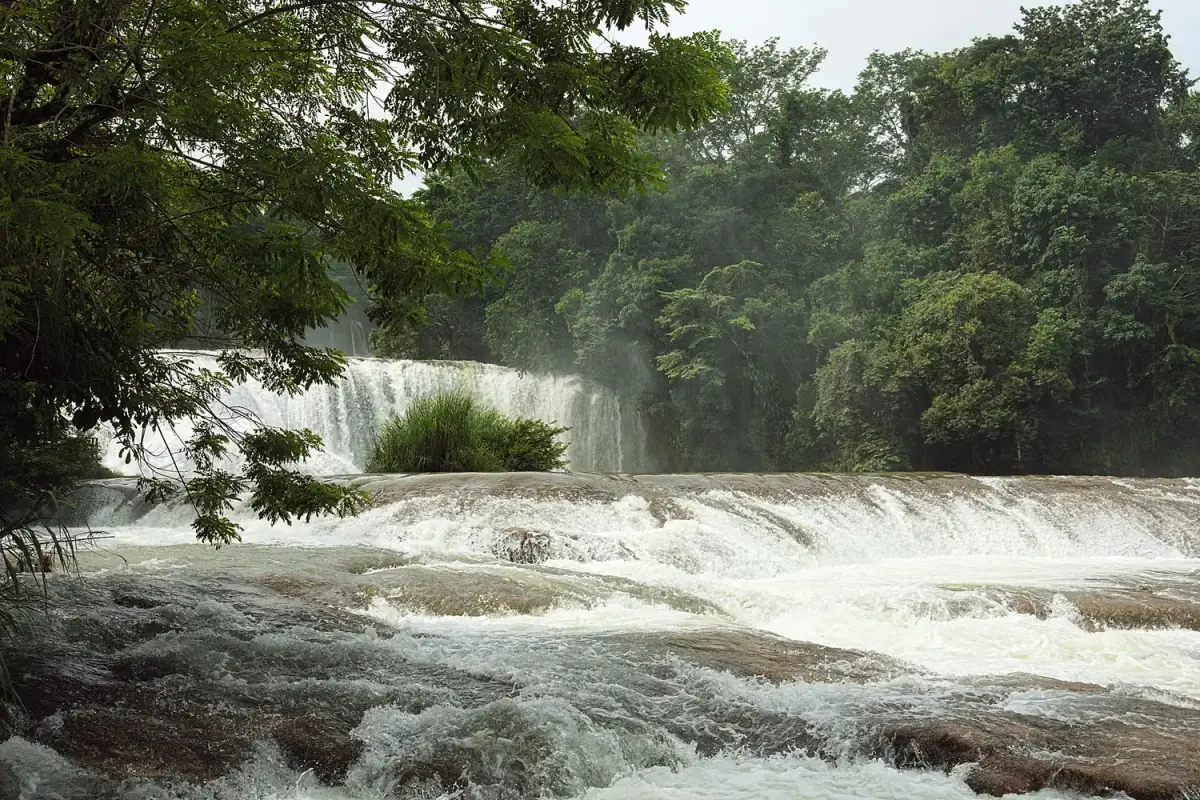
Hard, alkaline water, sand and rock: an aquarium from the rivers and lakes of Mexico and Central America, with cichlids and livebearers.
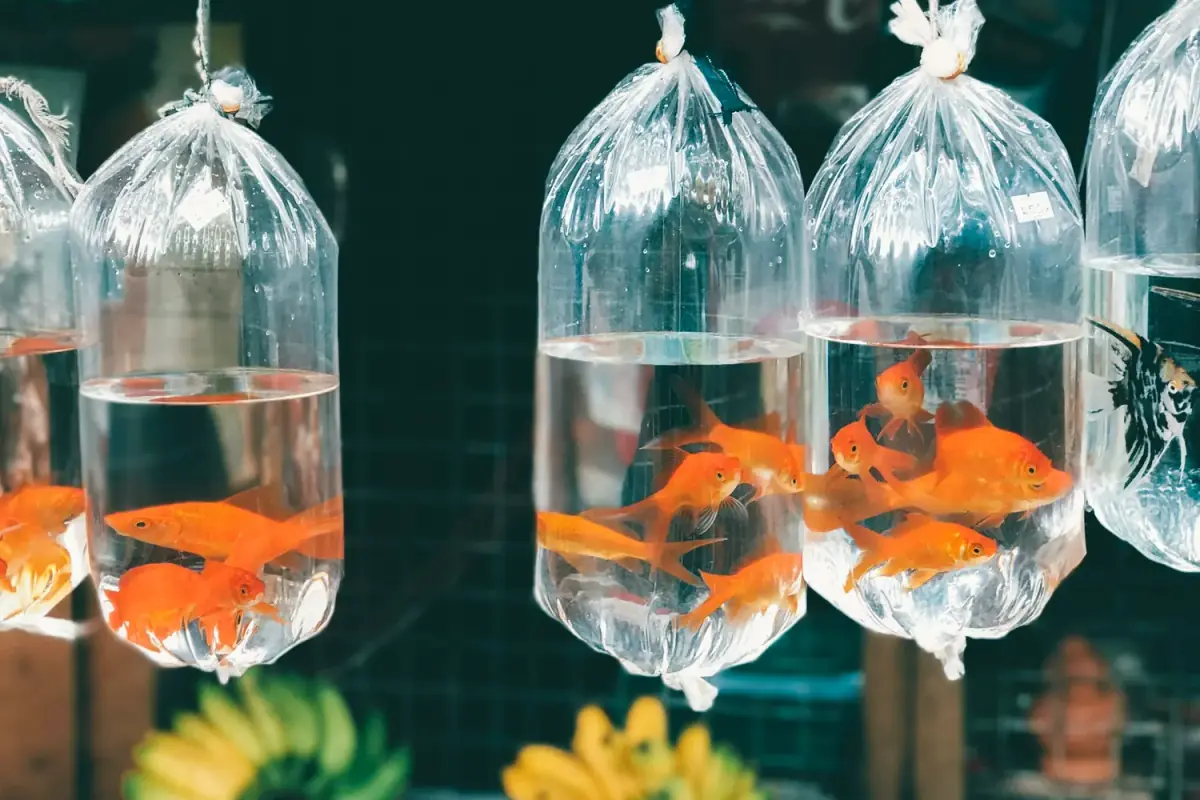
From the store to the tank: how to get the fish used to your water, why you should add only a few at a time, and what to watch for in the first few days.