Freshwater
Elephant Fish
Pollimyrus isidori
Mormyridae
Pollimyrus isidori
Mormyridae
Know what is missing? Suggest it in the app.
Lives wild in Benin, Burkina Faso, Cameroon, Central African Republic, Chad, Congo - Kinshasa, Côte d’Ivoire, Egypt, and 10 more countries.
Occupies floodplain pools in Sudd. Feeds on mud, vegetable debris and small invertebrates. Affinities: only to P. adspersus, morphologically similar; distinguished through scales on caudal peduncle, dorsal and anal fin rays and body coloration. Generates electric organ discharge (EOD) of short duration (0.08 ms) that seems to correlate with aggregative behavior of the species. During the breeding season, males build nests and while patrolling their territory sporadically emit EODs at a mean rate of 18 Hz. Participating females, on the other hand, discharge at a fairly regular rate (8-11 Hz) and this has been shown to play a role in sex recognition during courtship and spawning. Male and female EOD waveforms also differ in the amplitude ratio of the first and third phase. Also produce natural sounds ('grunts', 'moans', 'growl', etc.) at different phases of courtship, nesting and territorial defense. A fractional spawner; females able to spawn up to 26 times in the course of one reproductive cycle, laying about 125 eggs per spawning episode. Larval electric organ situated in the deep lateral musculature; that of adults in the caudal peduncle.
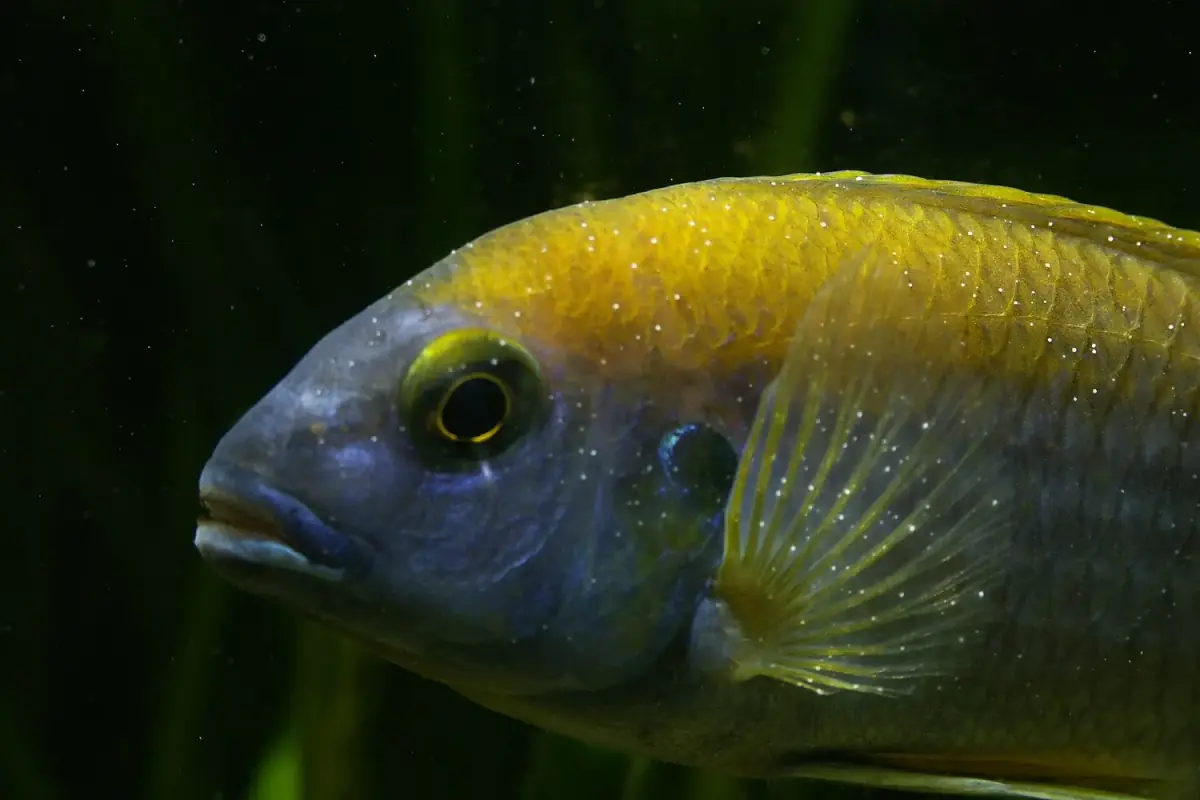
The most common disease in aquarium fish. How to recognize it, why it shows up, and how to get rid of it.
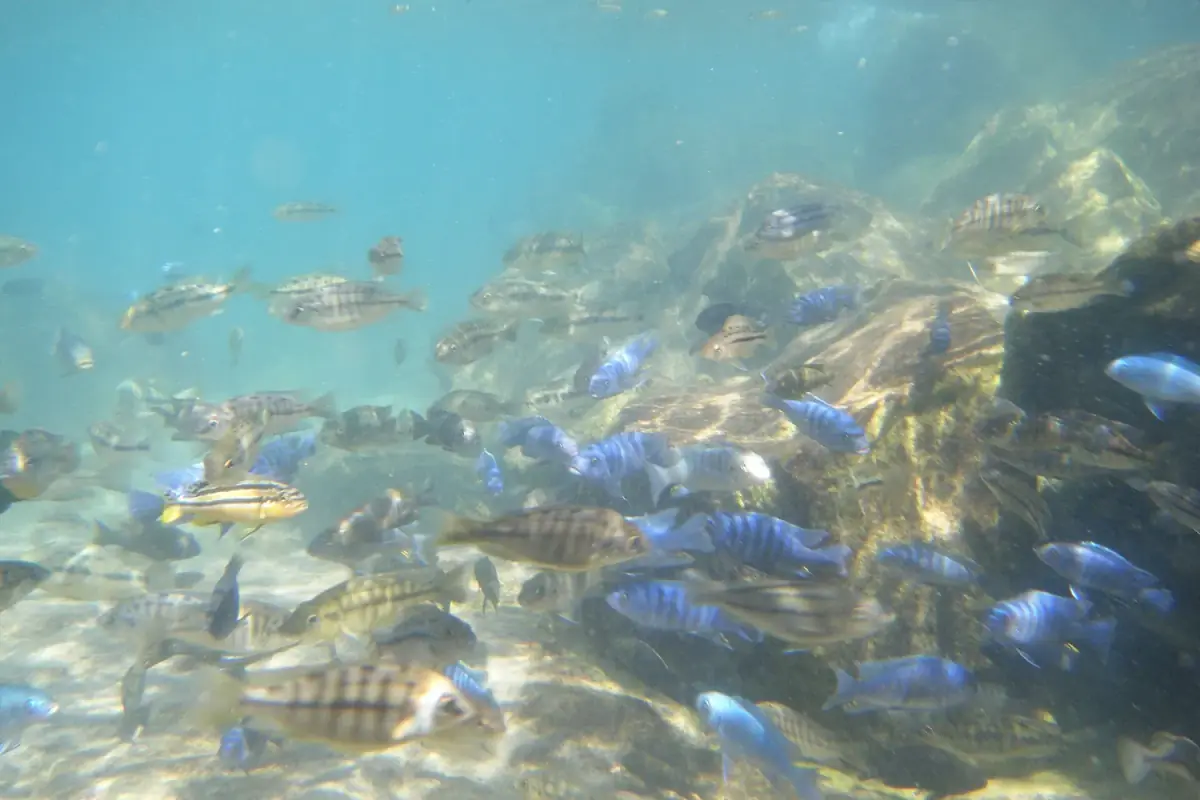
Two completely different aquariums: forest rivers with soft, brown water, roots and leaves, and Rift Valley lake cichlids in hard, alkaline water with big rock piles.
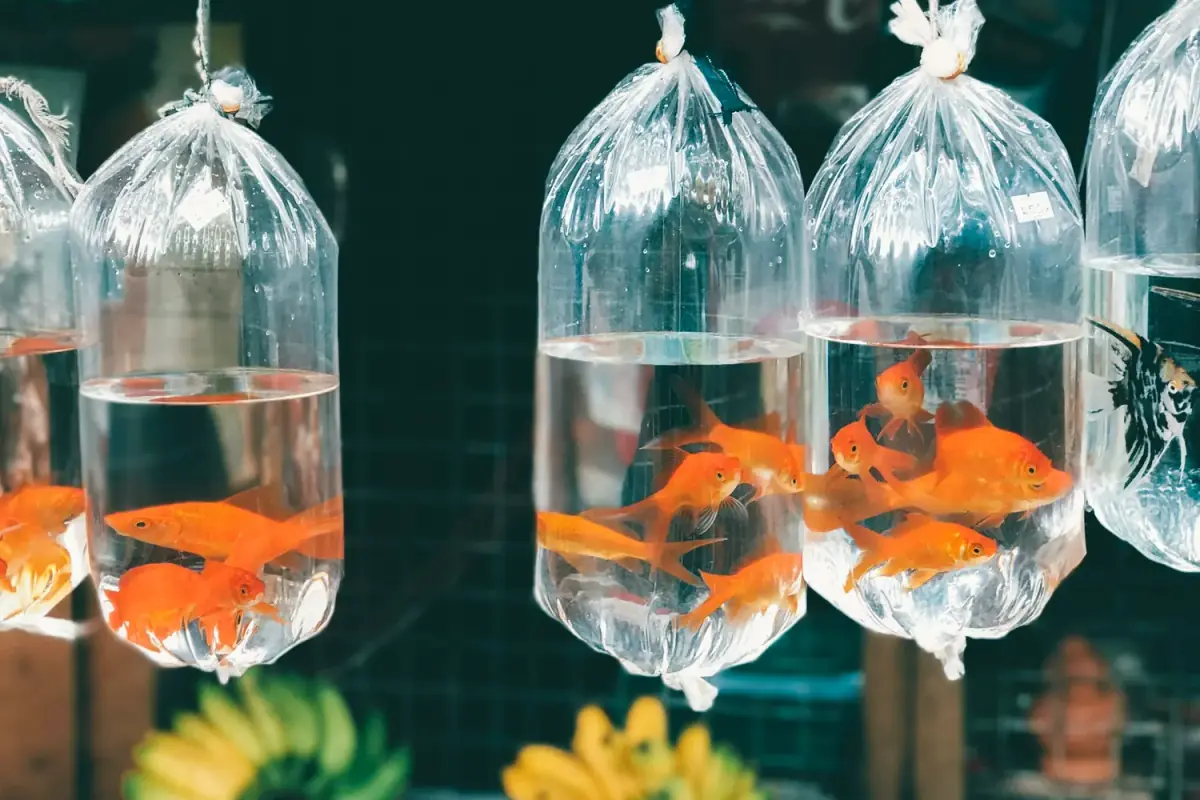
From the store to the tank: how to get the fish used to your water, why you should add only a few at a time, and what to watch for in the first few days.
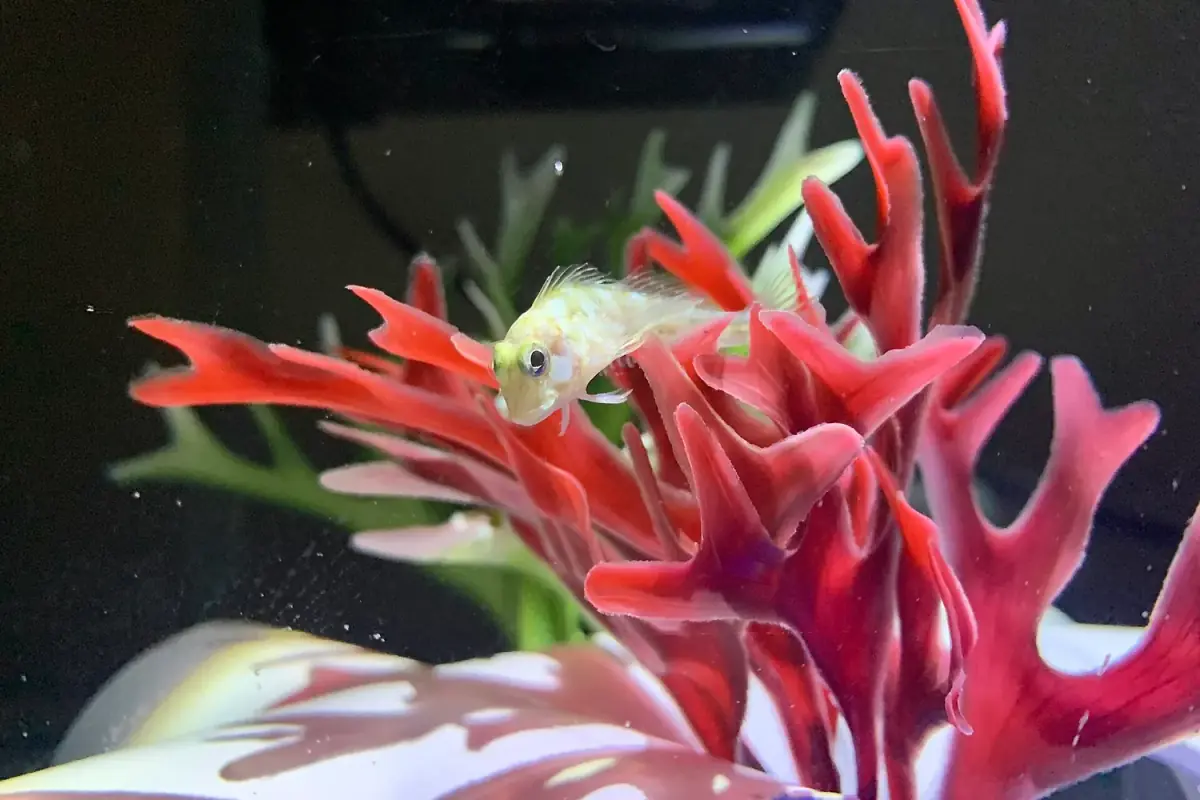
Why new fish should live in a tank of their own for a few weeks before they move in, what you need, and what to look for.