Saltwater
Brazilian electric ray
Narcine brasiliensis
Narcinidae
Narcine brasiliensis
Narcinidae
Know what is missing? Suggest it in the app.
Know what is missing? Suggest it in the app.
Lives wild in Argentina, Brazil, Colombia, Jamaica, Mexico, St. Lucia, St. Vincent & Grenadines, United States, and 2 more countries.
Inhabits coastal waters, on sand or mud bottoms. Common along sandy shorelines, sometimes near coral reefs. Aggregates in shallow waters ca. 10-20 m deep during summer and autumn months, dispersing to deeper waters during winter. Buries itself with only eyes protruding. Nocturnal, moves to shallow bays at night to feed; prefers worms, but may take juvenile snake eels, anemones, and, small crustaceans. Produces broods of 4 to 15 young. Reaches ca. 45 cm TL. Both sexes mature by 27 cm TL; birth size at ca. 11 cm TL. Can discharge between 14 and 37 volts. Contact with the skin can produce a severe electric shock. In addition to the main electric organ, this species possesses a bilateral accessory electric organ speculated to have a possible role in social communication. Reported to taste good, but not fished commercially. Traded as an aquarium fish at Ceará, Brazil.
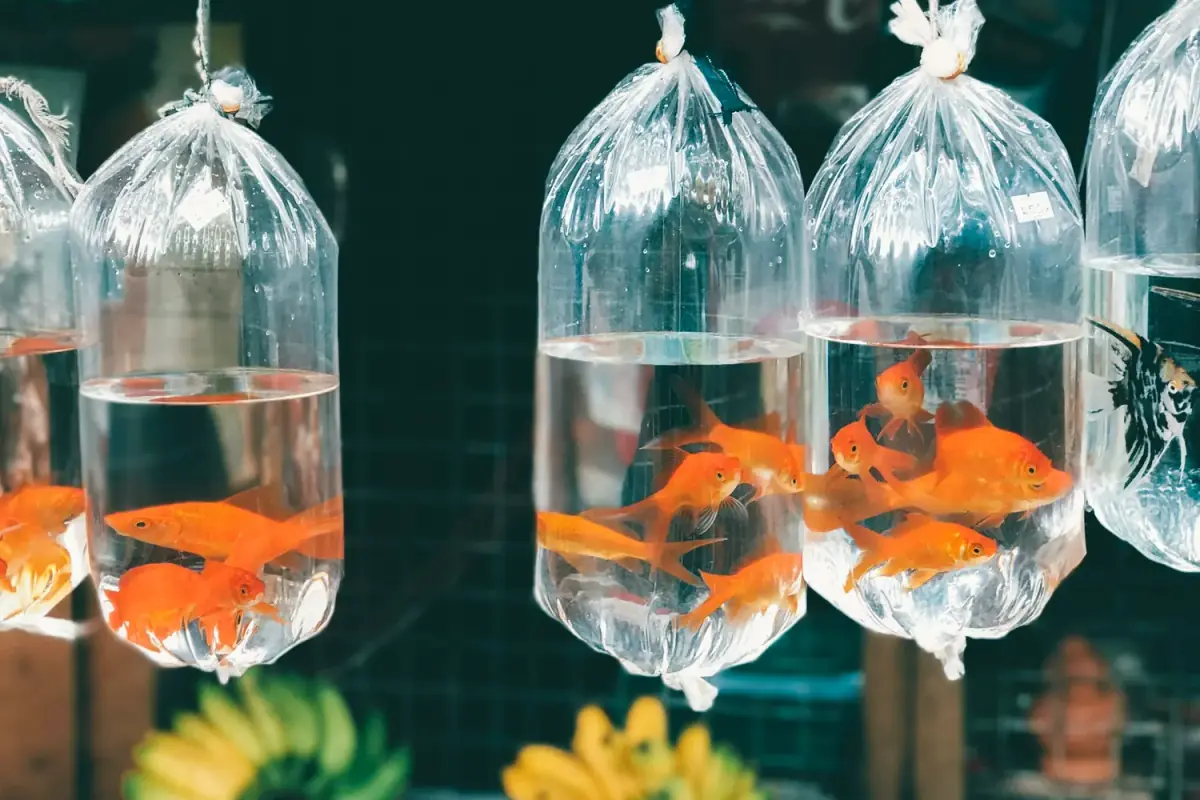
From the store to the tank: how to get the fish used to your water, why you should add only a few at a time, and what to watch for in the first few days.
Why new fish should live in a tank of their own for a few weeks before they move in, what you need, and what to look for.
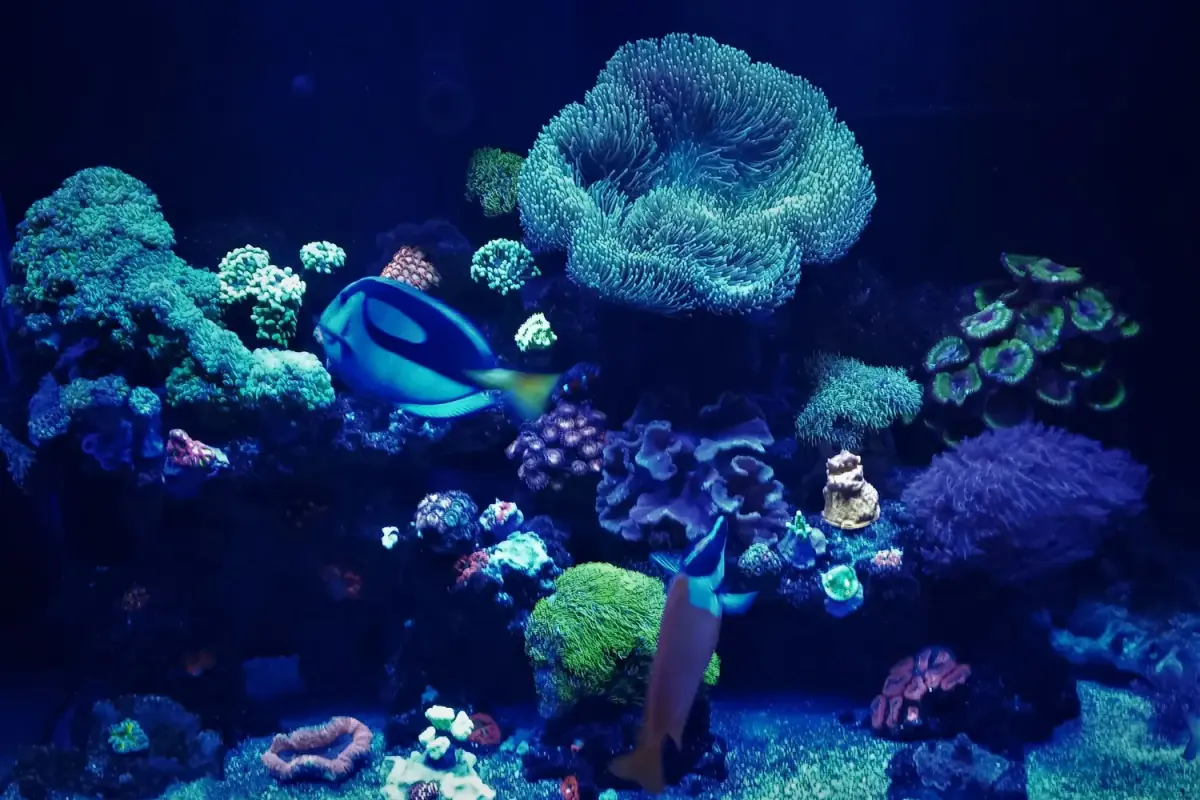
What is different in a saltwater aquarium: salt, refractometer, live rock and corals. An introduction for anyone thinking of giving it a try.