Saltwater
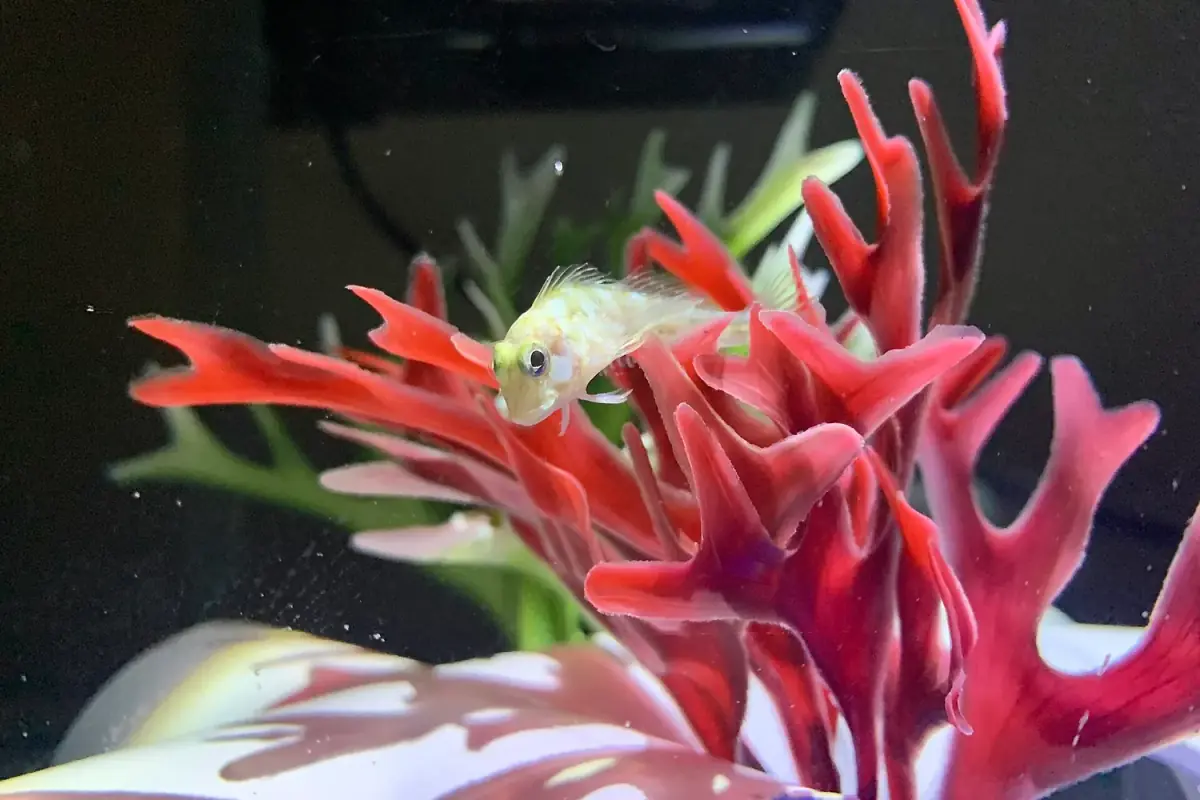
Bluestriped fangblenny
Plagiotremus rhinorhynchos
Blenniidae, Blenniinae
Plagiotremus rhinorhynchos
Blenniidae, Blenniinae
Know what is missing? Suggest it in the app.
Lives wild in American Samoa, Australia, China, Christmas Island, Cocos (Keeling) Islands, Egypt, Fiji, France, and 36 more countries.
Adults inhabit clear, coral-rich areas of lagoon and seaward reefs. They hide in deserted worm tubes or other small holes when alarmed, bite divers occassionally. They feed on the skin, mucus and sometimes scales of other fishes by quick attacks. Oviparous. Eggs are demersal and adhesive, and are attached to the substrate via a filamentous, adhesive pad or pedestal. Larvae are planktonic, often found in shallow, coastal waters. Juveniles mimic the cleaner wrasse Labroides dimidiatus. According to Ref. 53299 they are facultative mimics that change their color: at cleaning stations they mimic the cleaner wrasse and attack unsuspecting customers; elsewhere they adopt an alternative color and striping pattern to conceal themselves among fish shoals from which they can strike at passing fish.
From the store to the tank: how to get the fish used to your water, why you should add only a few at a time, and what to watch for in the first few days.
Why new fish should live in a tank of their own for a few weeks before they move in, what you need, and what to look for.
What is different in a saltwater aquarium: salt, refractometer, live rock and corals. An introduction for anyone thinking of giving it a try.