Freshwater
Needle spike-rush
Eleocharis acicularis
Cyperaceae
Eleocharis acicularis
Cyperaceae
Lives wild in Afghanistan, Austria, Baltic States, Belgium, Bolivia, Bulgaria, Canada, Colombia, and 45 more countries.
Introduced to Caroline Is. and Kiribati.
Eleocharis acicularis is a species of spikesedge known by the common names needle spikerush and least spikerush. It is widespread across Europe, central and southeastern Asia, North America and northeastern South America as far south as Ecuador. It is also found in Australia, where it is probably an introduced species. Eleocharis acicularis is an annual or perennial spikesedge with long, grasslike stems to about 15 centimeters (6 inches) in height, shorter in bog conditions, from a creeping rhizome. In shallow water it will form short spikes of tiny flowers amongst flat overlapping bracts. The tiny flowers are less than five millimeters in diameter and are borne at the tip of each stem in single, sharply pointed, lanceoloid spikelets up to about six millimeters long. This is a plant of marshes, vernal pools, and bogs. Eleocharis acicularis is sold commercially as an aquascape plant suitable for inclusion in artificial aquatic environments. It thrives with plenty of light and a high concentration of carbon dioxide. The specific epithet, acicularis, is derived from Latin and means "needle-shaped".
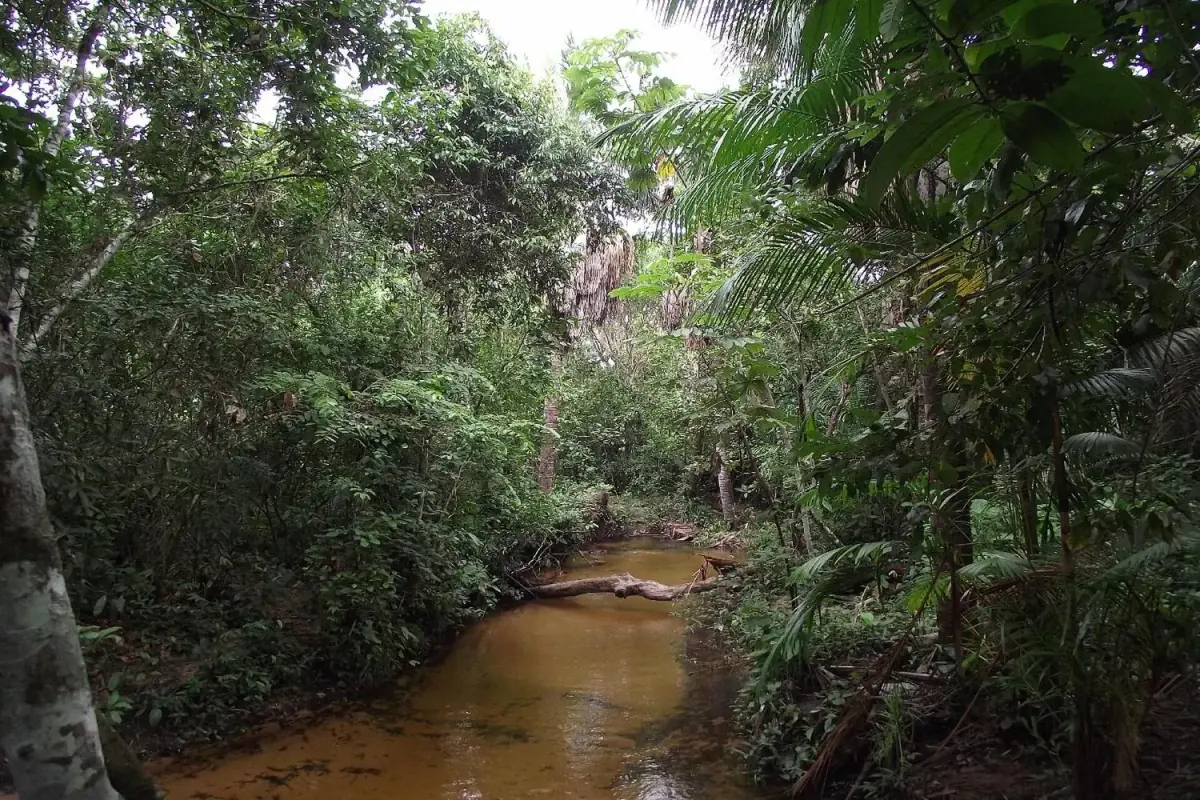
Soft, acidic water, subdued light, sand, roots and fallen leaves: how to set up a biotope aquarium from the Amazon and the rivers around it.
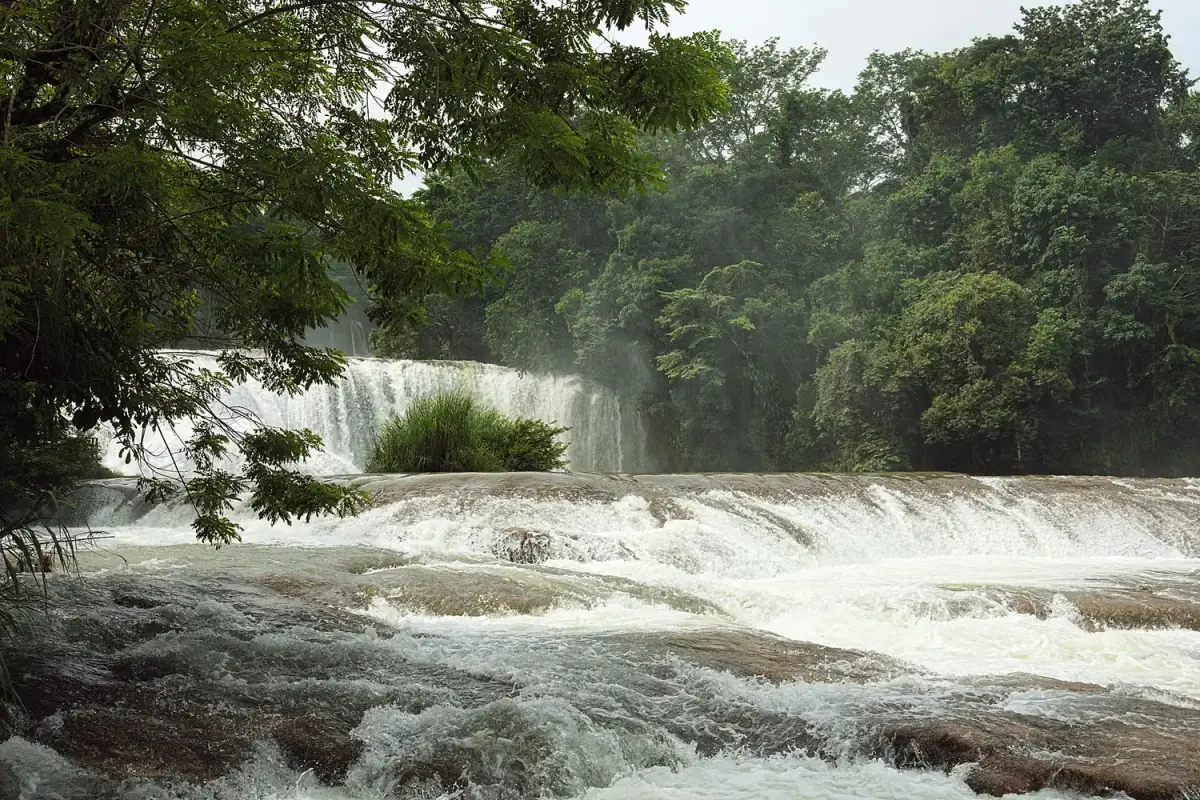
Hard, alkaline water, sand and rock: an aquarium from the rivers and lakes of Mexico and Central America, with cichlids and livebearers.
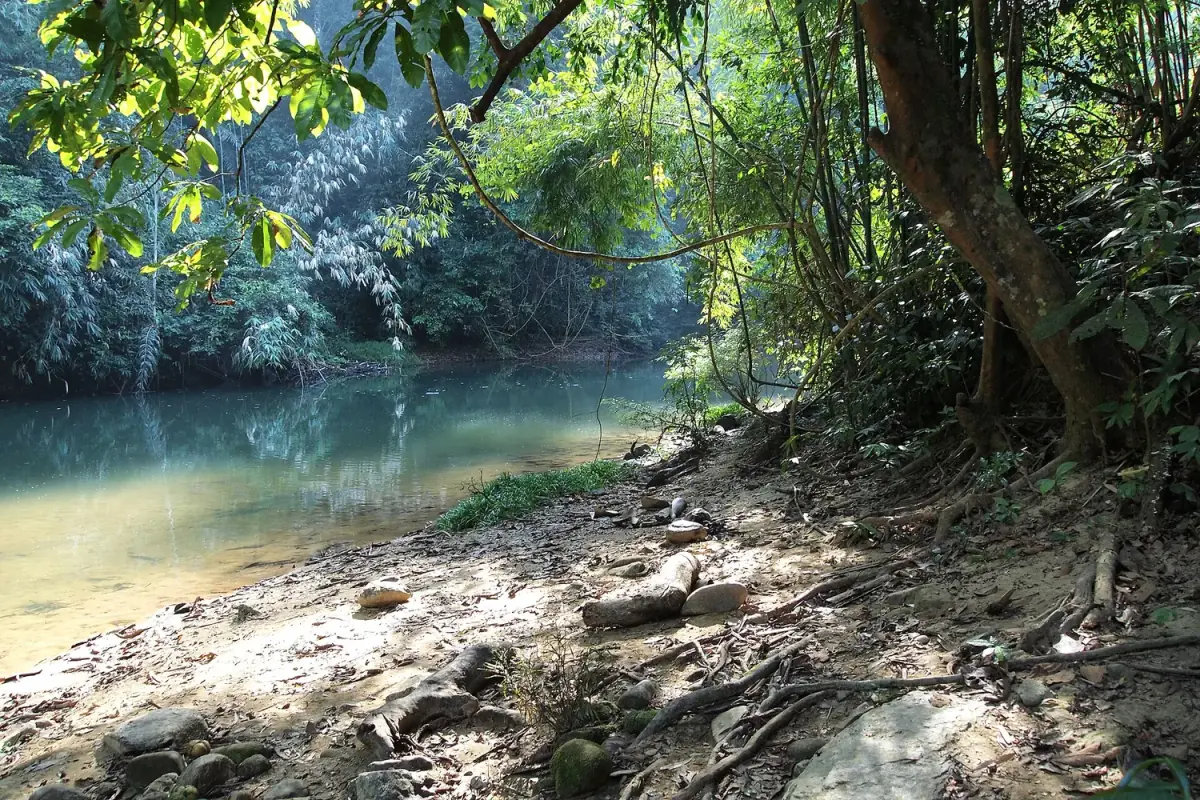
Two aquariums from Southeast Asia: calm forest streams and peat swamps with soft, brown water, and fast mountain streams with cool, oxygen-rich water.
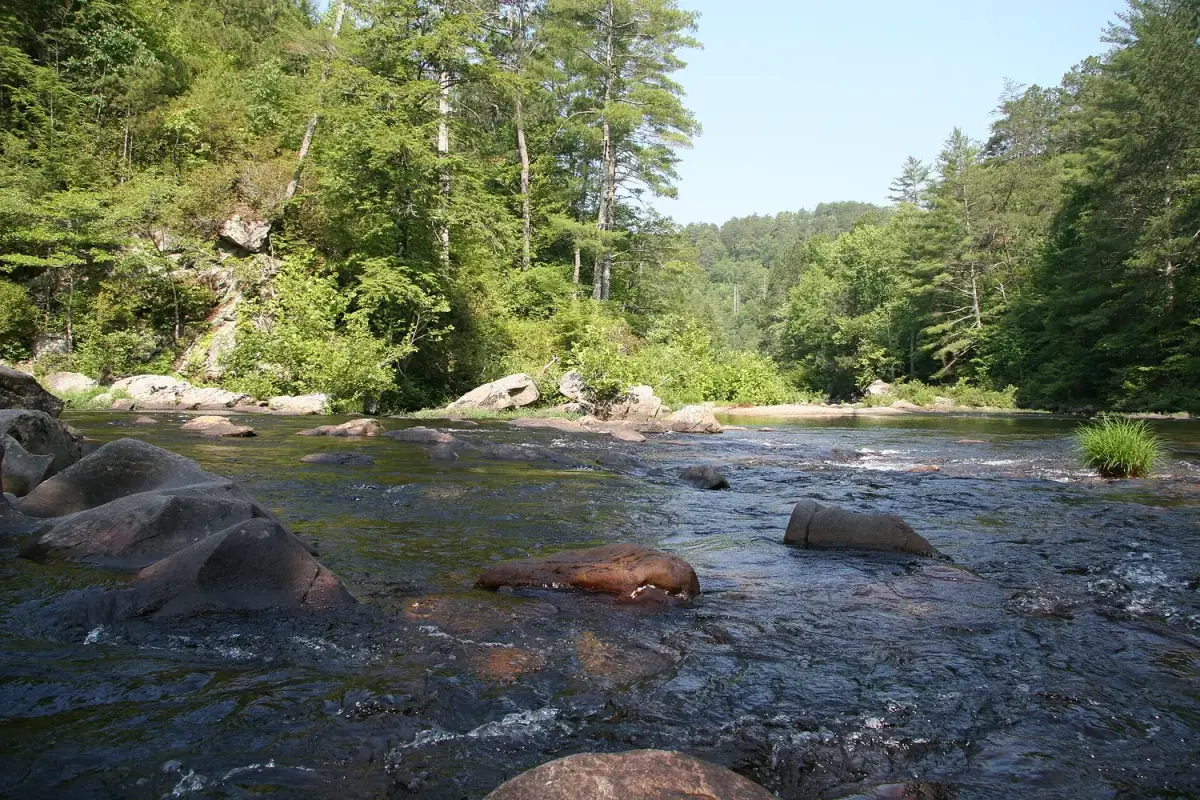
Streams and ponds in North America are often cool. How to set up an aquarium without a heater, with pygmy sunfish, shiners and darters.