Saltwater
Short snouted seahorse
Hippocampus hippocampus
Syngnathidae, Syngnathinae
Hippocampus hippocampus
Syngnathidae, Syngnathinae
Know what is missing? Suggest it in the app.
Lives wild in Albania, Algeria, Bosnia & Herzegovina, Croatia, Cyprus, Egypt, France, Gambia, and 26 more countries.
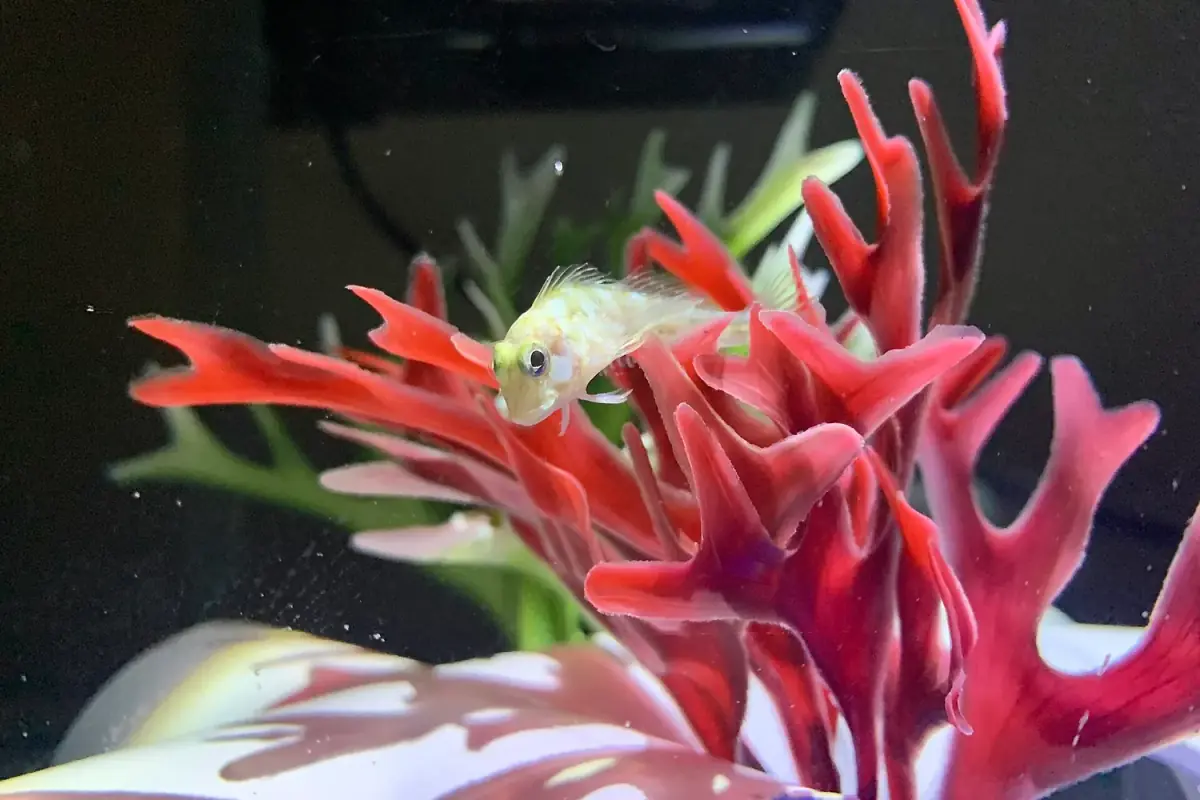
Inhabits dense, complex habitats as well as patchy, relatively open and sparse habitats of coastal areas. Found on soft bottoms amongst rocks and algae, on sparsely vegetated areas, and in coastal lagoons with strong oceanic influences. Mimics the green or yellow coloration of plants allowing it to hide among the vegetation. This ability likely plays a role in seahorse feeding strategy and in predator avoidance. Makes limited daily movements within very restricted home ranges (0.7-18.1 m2). May over-winter in deeper water.. Adult dispersal over large distances is probably caused by strong wave action during storms or when it anchors itself to floating debris. Is thought to live for 3-5 years. Because of its short generation time and multiple breeding cycles during each spawning season, resilience is thought to be high. However, in tropical areas where seagrass beds are regularly exploited for other species of seahorses for the aquarium trade, traditional medicine, etc., populations have been quickly eradicated. Feeds on small prey and organic debris. Has been reared in captivity. Minimum depth reported taken from Ref. 128812.
From the store to the tank: how to get the fish used to your water, why you should add only a few at a time, and what to watch for in the first few days.
Why new fish should live in a tank of their own for a few weeks before they move in, what you need, and what to look for.
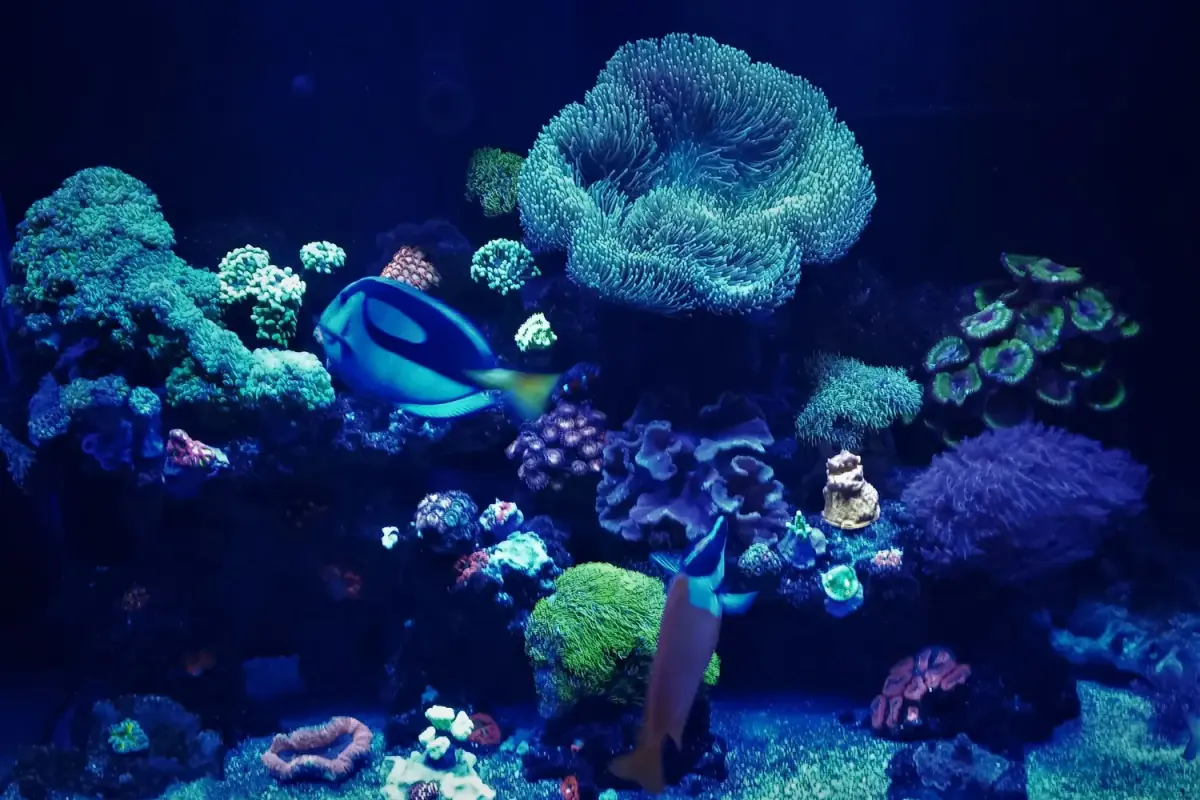
What is different in a saltwater aquarium: salt, refractometer, live rock and corals. An introduction for anyone thinking of giving it a try.