Freshwater
Cascarudo
Callichthys callichthys
Callichthyidae, Callichthyinae
Callichthys callichthys
Callichthyidae, Callichthyinae
Know what is missing? Suggest it in the app.
Lives wild in Argentina, Bolivia, Brazil, Colombia, Ecuador, French Guiana, Guyana, Paraguay, and 5 more countries.
Found in extreme environments, from anoxic conditions (slack water zones bordered by dense vegetation) to slightly turbid but free flowing streams. When the biotope becomes dry, it can move out of the water, due to its ability to breathe intestinally, in order to find another aquatic environment. Feeds at night on fish, insects and plant matter. Juveniles feed on rotifers, in addition to the micro-crustaceans and aquatic insect larvae they find when digging into the substrate. During reproduction, the male's belly turns orange and its pectoral spines become longer and thicker. The male builds a bubble nest with some floating plants, strongly guarding it after the female lays down her eggs (up to 120). Aquarium keeping: in groups of 5 or more individuals; minimum aquarium size 120 cm.
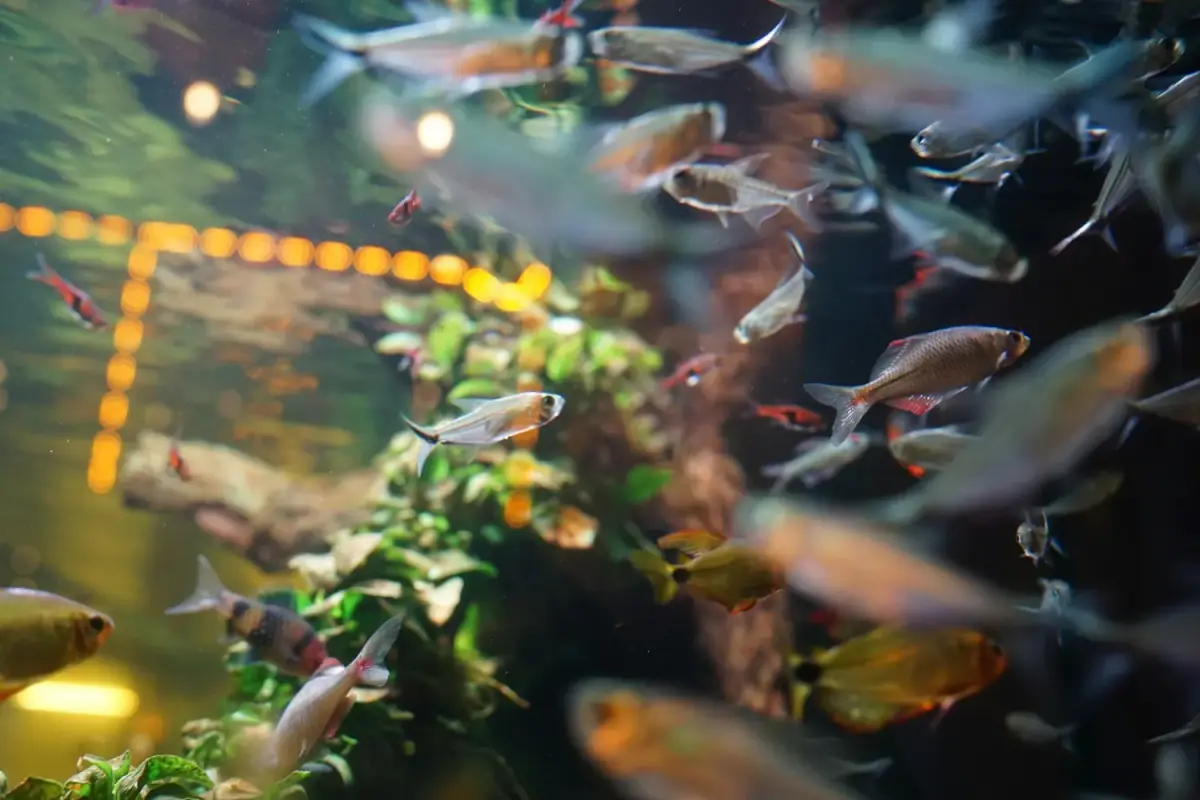
Why "one cm of fish per liter" falls short, and what adult size, schools, territory and swimming zones mean for how many fish a tank can hold.
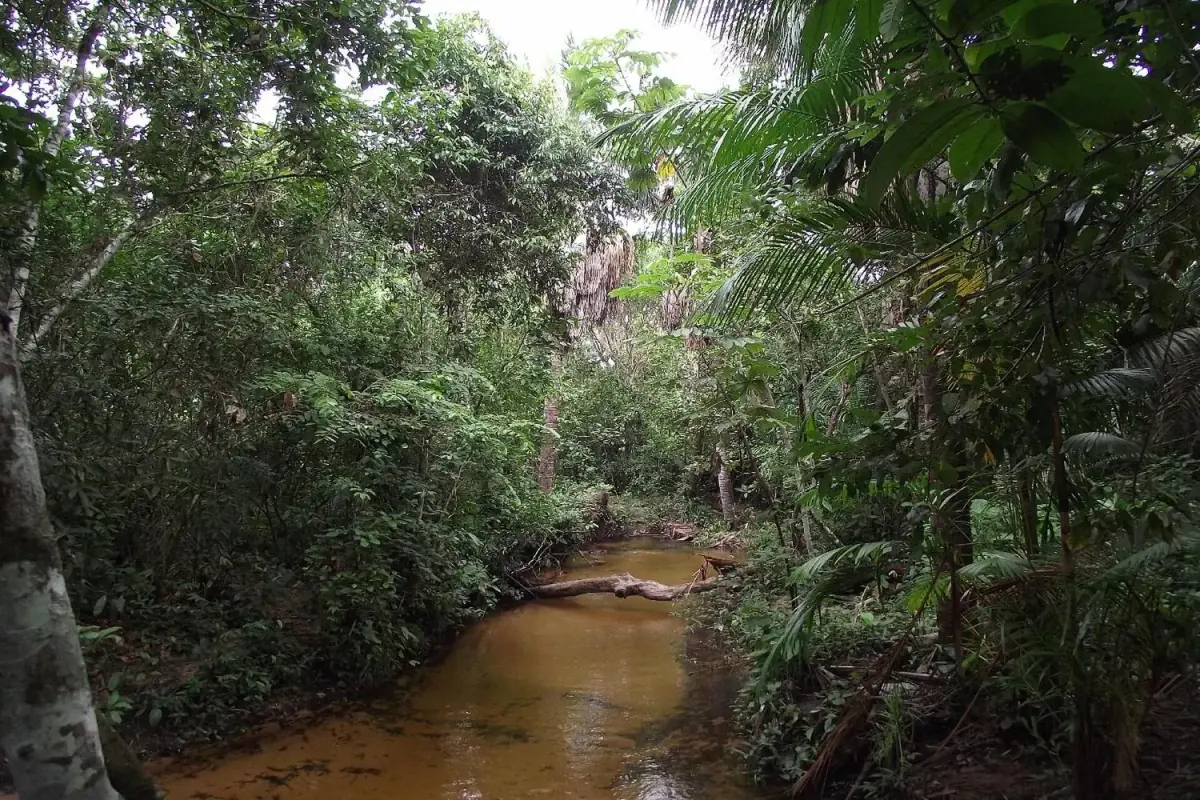
Soft, acidic water, subdued light, sand, roots and fallen leaves: how to set up a biotope aquarium from the Amazon and the rivers around it.
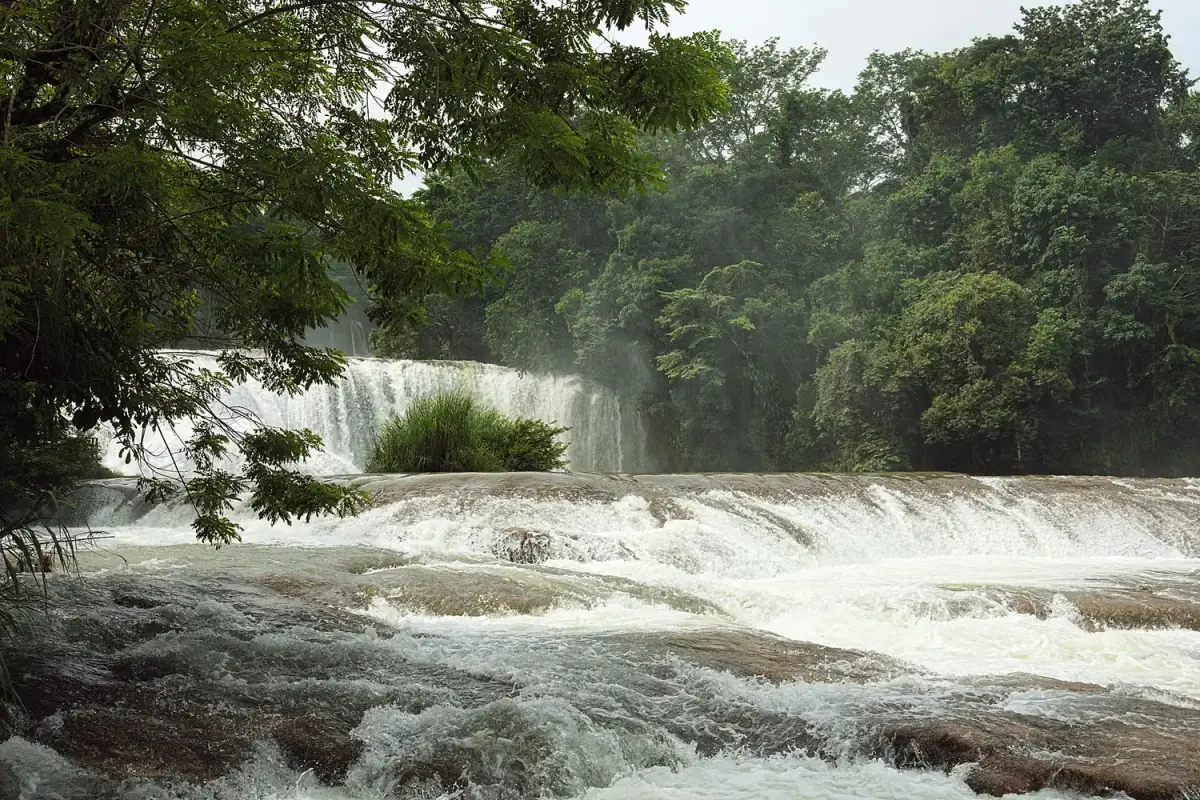
Hard, alkaline water, sand and rock: an aquarium from the rivers and lakes of Mexico and Central America, with cichlids and livebearers.
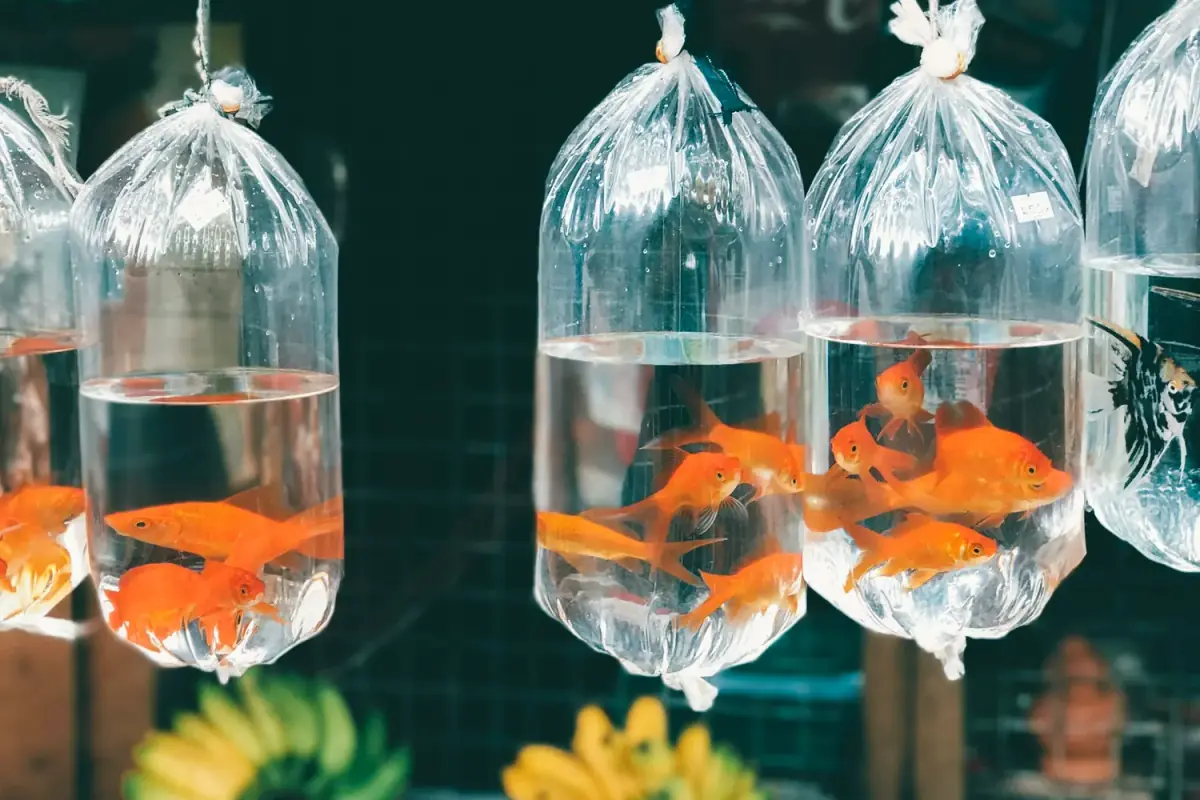
From the store to the tank: how to get the fish used to your water, why you should add only a few at a time, and what to watch for in the first few days.