FreshwaterBrackishSaltwater
Giant shovelnose ray
Glaucostegus typus
Glaucostegidae
Glaucostegus typus
Glaucostegidae
Know what is missing? Suggest it in the app.
Know what is missing? Suggest it in the app.
Lives wild in Australia, Fiji, India, Indonesia, Malaysia, Papua New Guinea, Philippines, Singapore, and 3 more countries.
Occurs inshore and offshore, from the intertidal to offshore continental and insular shelves. Young individuals are found inshore on sand flats, around atolls, and in mangrove swamps, estuaries and coastal lagoons. Adults occur inshore, over continental shelf, to ~100 m deep, and also the only rhinobatid reportedly able to live and breed in freshwater. Feeds on shellfish, mainly on crustaceans, prawns and crabs and also small bony fishes. Ovoviviparous. Maturity size at 150-180 cm TL; born at 38-40 cm TL. Probably the major commercial guitarfish in the Western Central Pacific. Caught regularly by demersal tangle net fisheries operating throughout the area. Utilized for its meat, fins (both very high value), skin and cartilage. Reported to attain a maximum length of 4 m.
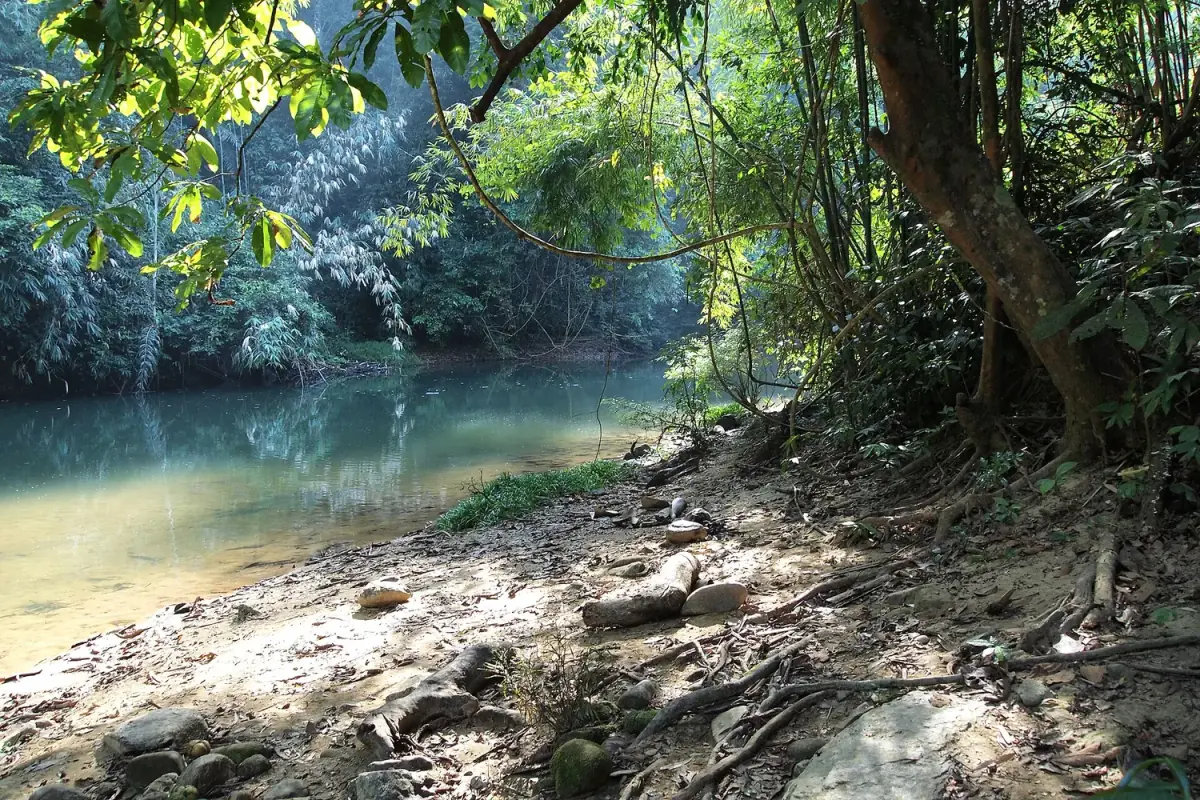
Two aquariums from Southeast Asia: calm forest streams and peat swamps with soft, brown water, and fast mountain streams with cool, oxygen-rich water.
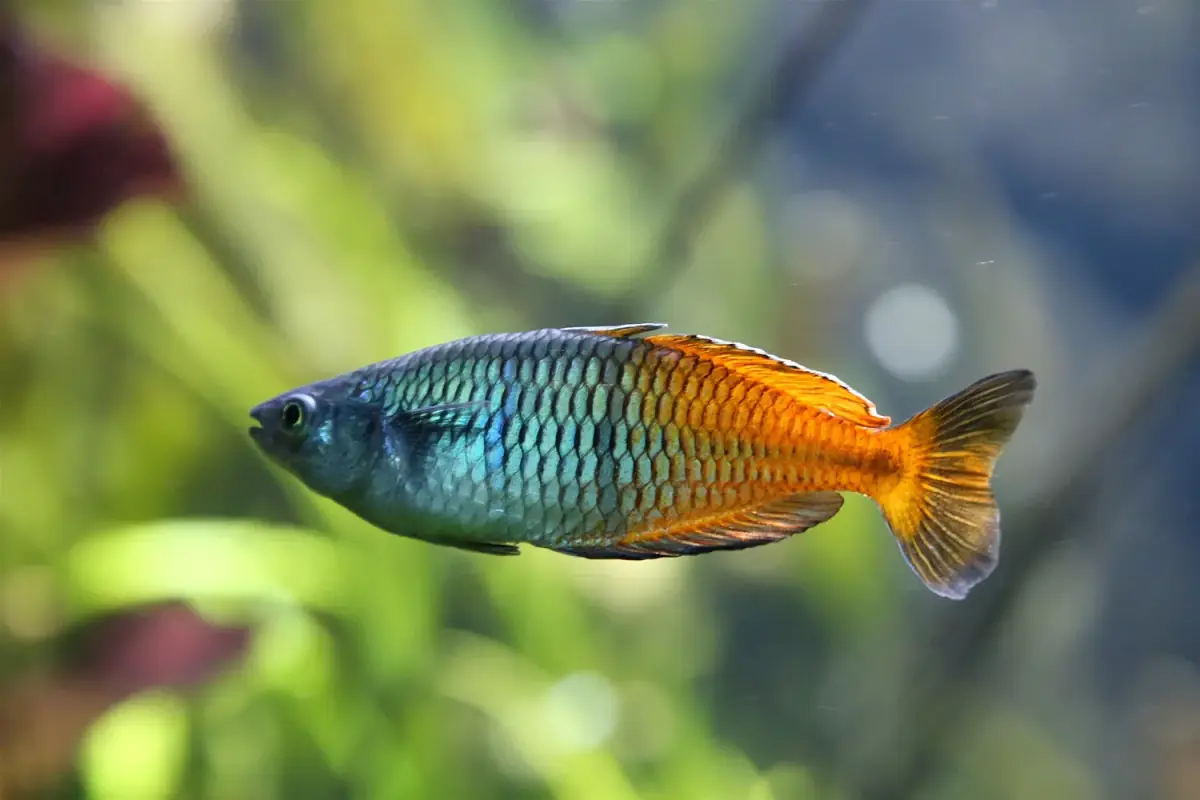
The home of rainbowfish: water, substrate, plants and light for rainbowfish, blue-eyes and peacock gudgeons, with a long aquarium and open water in the middle.
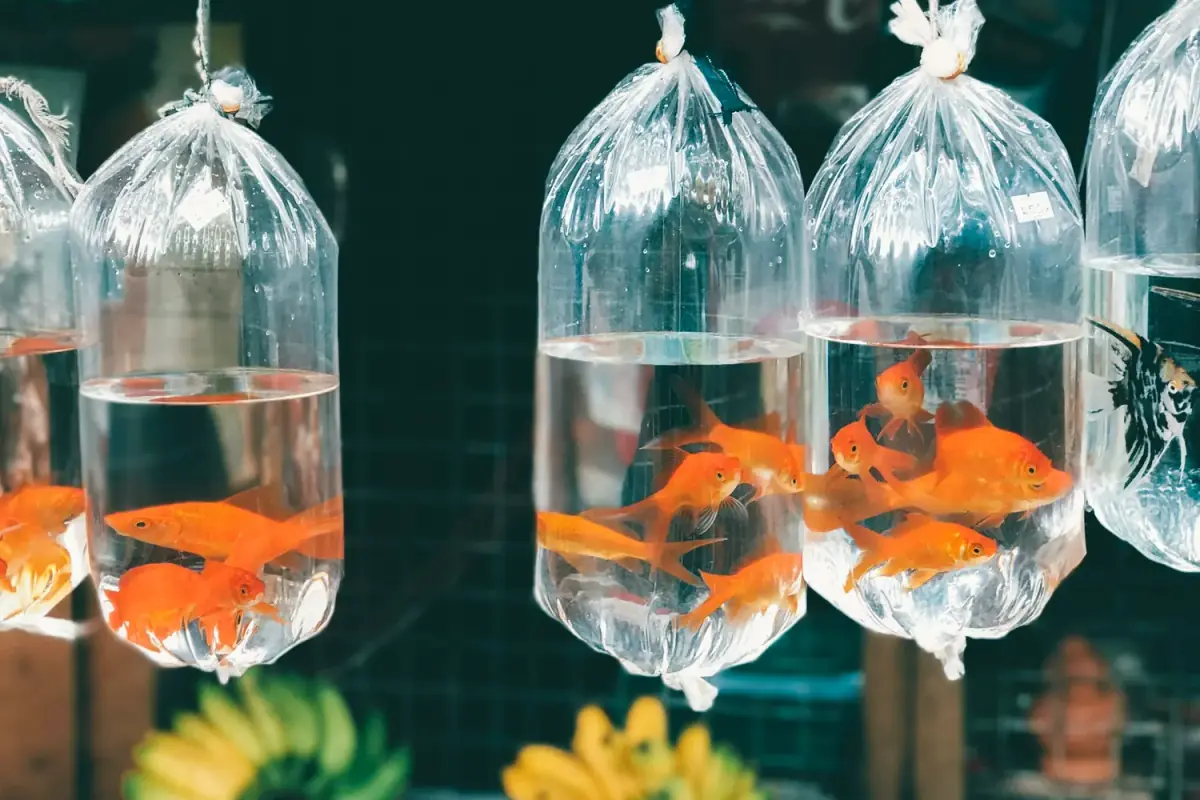
From the store to the tank: how to get the fish used to your water, why you should add only a few at a time, and what to watch for in the first few days.
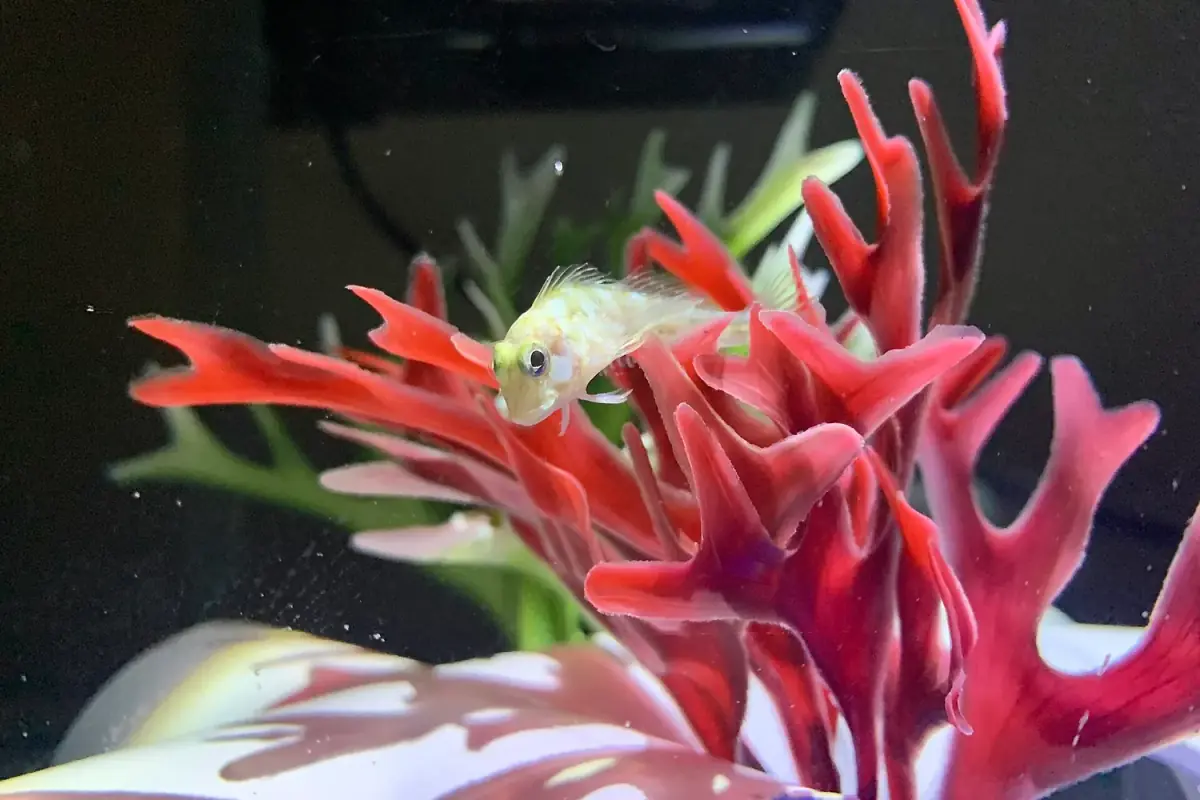
Why new fish should live in a tank of their own for a few weeks before they move in, what you need, and what to look for.