Freshwater
Great Ram's Horn Snail
Planorbarius corneus
Planorbidae
Planorbarius corneus
Planorbidae
Seen in the wild in Albania, Australia, Austria, Belarus, Belgium, Bulgaria, Croatia, Czechia, and 29 more countries.
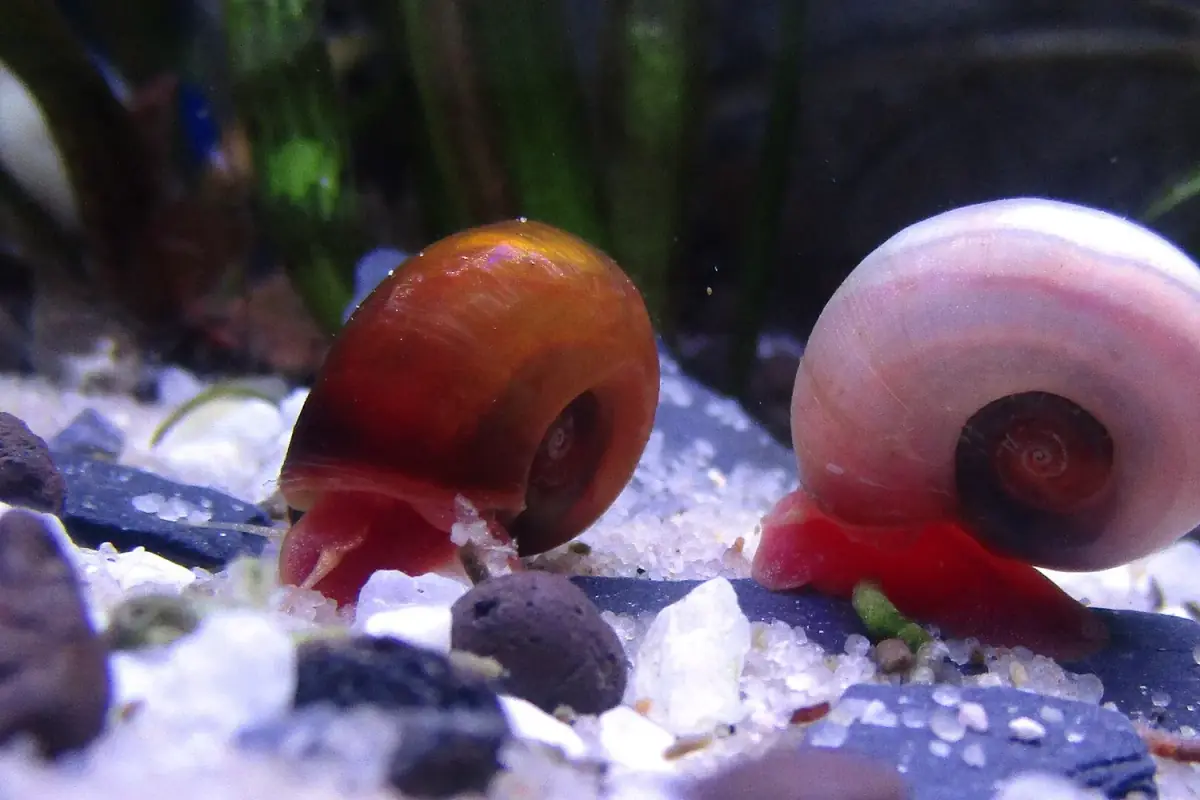
Planorbarius corneus, common name the great ramshorn, is a relatively large species of air-breathing freshwater snail, an aquatic pulmonate gastropod mollusk in the family Planorbidae, the ram's horn snails. It is native to Europe, though is most common in central Europe and the Balkans region. This species possesses the protein hemoglobin in its blood, which allows it to live in oxygen-poor environments. It may live for up to 6 years in captivity, and likely has a reproductive cycle of about 1 year. The shell of this species appears to be dextral in coiling, even though it is in fact sinistral or left-handed.
Where the little snails come from, why lots of snails often means too much food, and how to bring their numbers down without poison.
Two aquariums from Southeast Asia: calm forest streams and peat swamps with soft, brown water, and fast mountain streams with cool, oxygen-rich water.
The home of rainbowfish: water, substrate, plants and light for rainbowfish, blue-eyes and peacock gudgeons, with a long aquarium and open water in the middle.
Streams and ponds in North America are often cool. How to set up an aquarium without a heater, with pygmy sunfish, shiners and darters.