Freshwater
Beardless barb
Cyclocheilichthys apogon
Cyprinidae, Cyprininae
Cyclocheilichthys apogon
Cyprinidae, Cyprininae
Know what is missing? Suggest it in the app.
Lives wild in Cambodia, Indonesia, Laos, Malaysia, Myanmar (Burma), Singapore, Thailand, and Vietnam.
Introduced to Nepal.
Rodrigo SilvaDec 18, 2025
Inhabits small streams, reservoirs, lakes, canals, ditches, and generally areas with slow moving or standing water. Occurs in medium to large-sized rivers. Stomach contents are composed of fish and insect remains. Typically found around surfaces, such as plant, leaves, branches and tree roots where it browses for small plankton and crustaceans. Moves into flooded forests and non-forested floodplains. Reported to breed late during high-water season from September to October as water levels peak and begin to decline. Found in the basin-wide tributary of the lower Mekong. Common foodfish in markets.
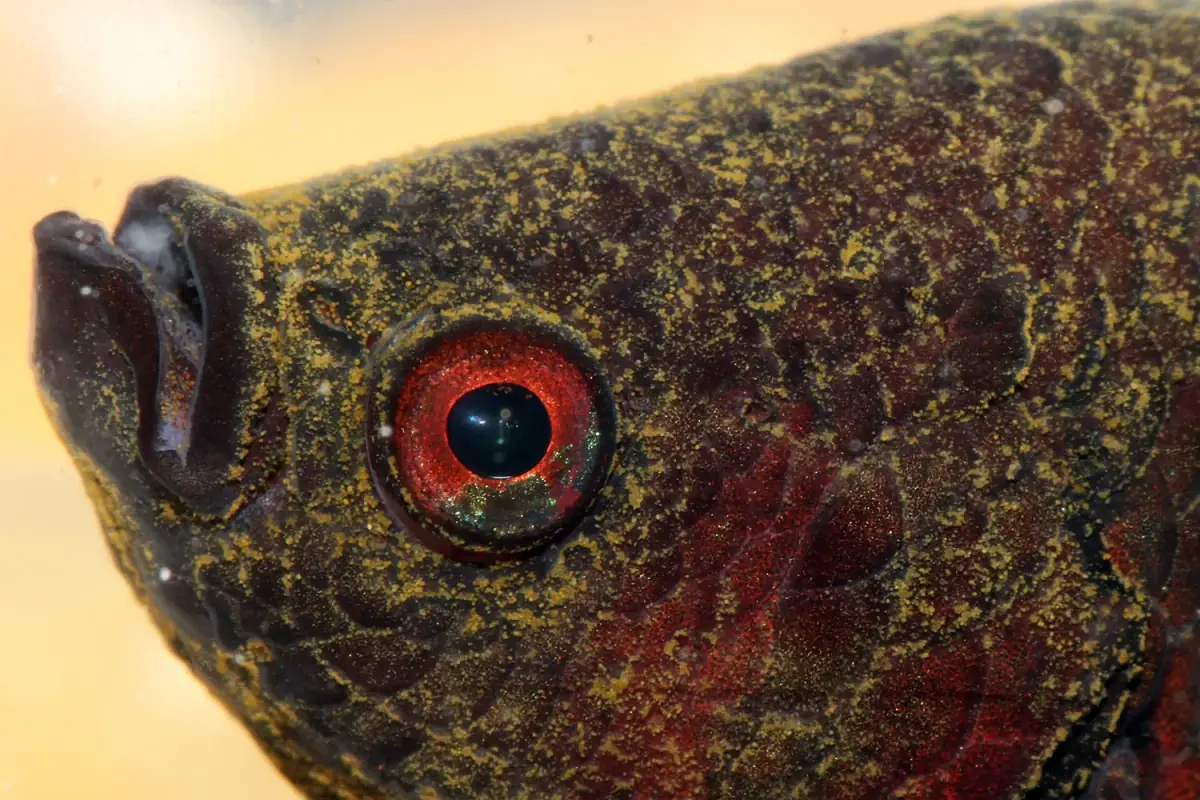
Velvet is a fast-moving parasite. Dropsy is a sign that something is seriously wrong inside the fish. How to recognize them, and what you can do.
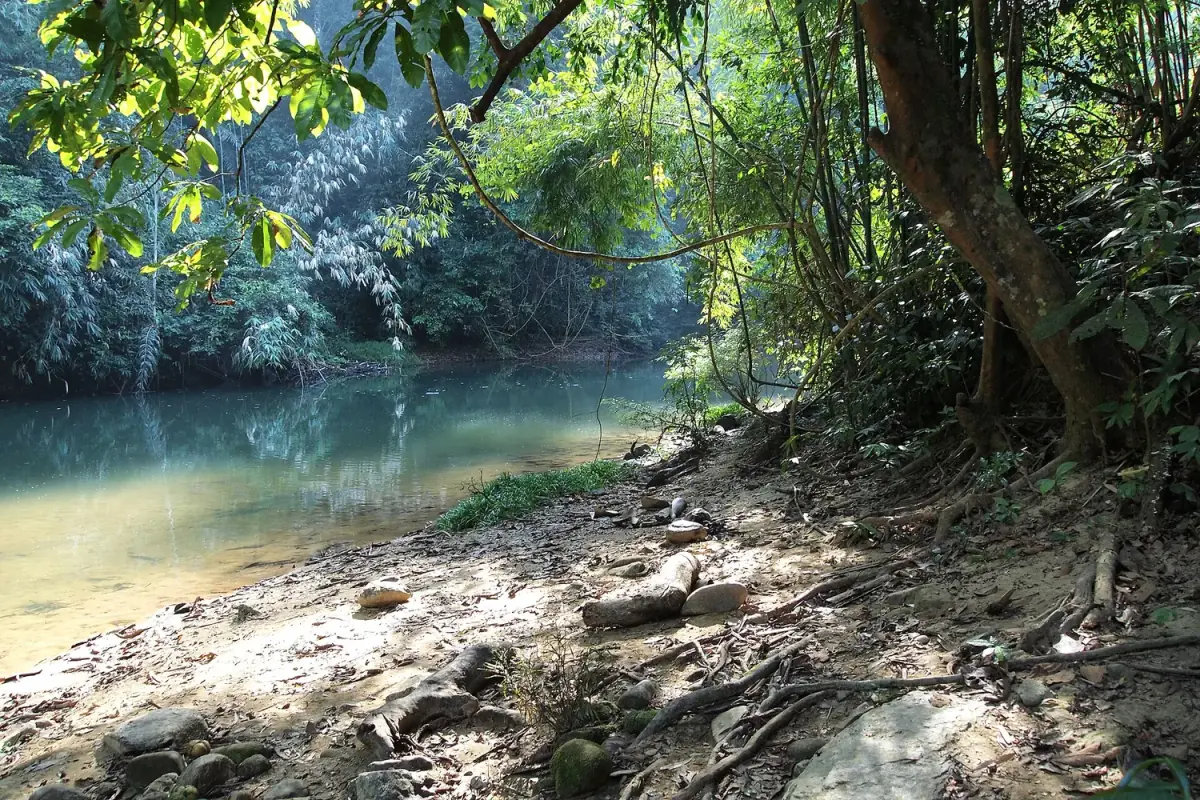
Two aquariums from Southeast Asia: calm forest streams and peat swamps with soft, brown water, and fast mountain streams with cool, oxygen-rich water.
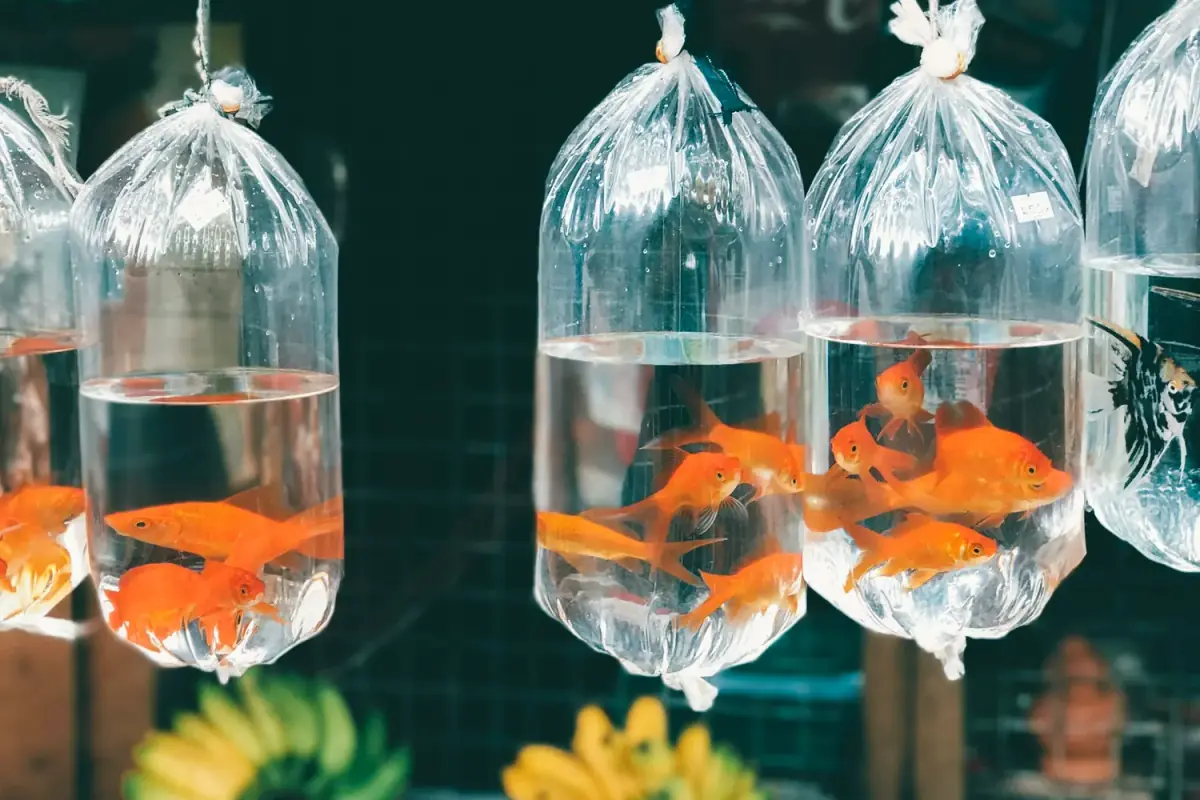
From the store to the tank: how to get the fish used to your water, why you should add only a few at a time, and what to watch for in the first few days.
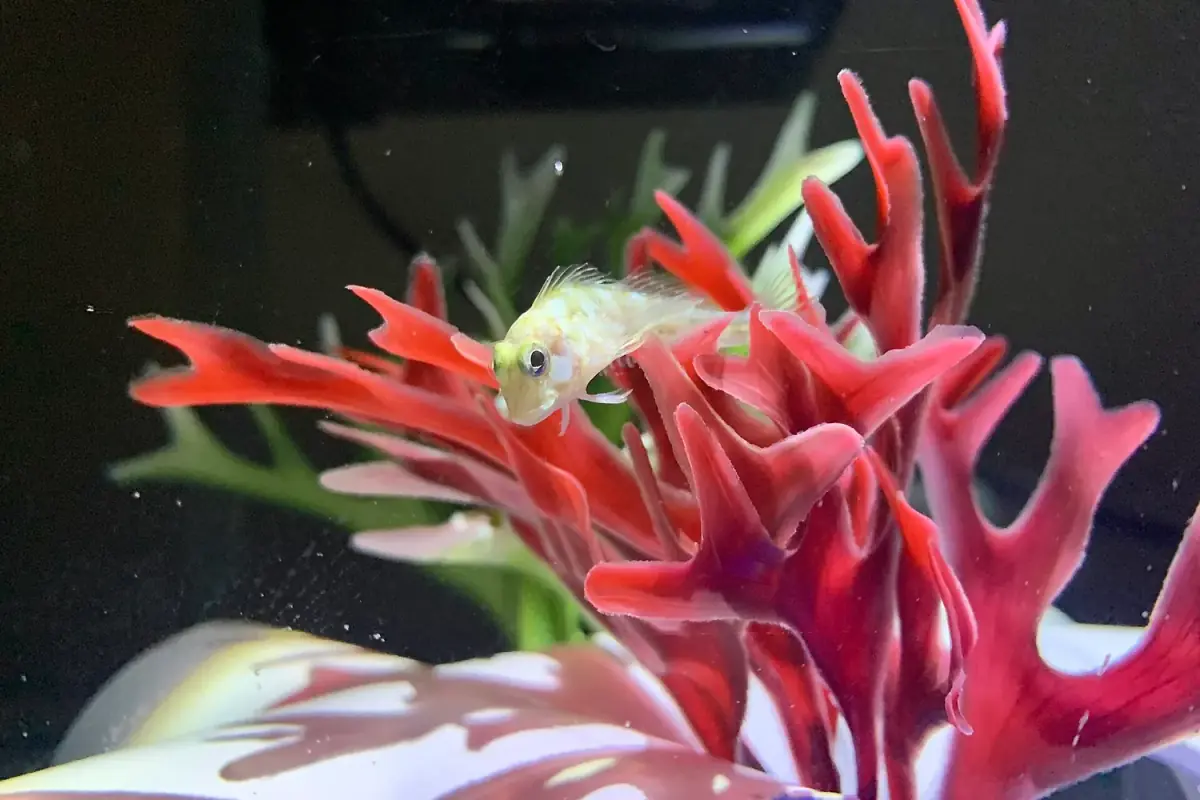
Why new fish should live in a tank of their own for a few weeks before they move in, what you need, and what to look for.