Freshwater
Pangani nothobranch
Nothobranchius vosseleri
Nothobranchiidae
Nothobranchius vosseleri
Nothobranchiidae
Know what is missing? Suggest it in the app.
Nothobranchius vosseleri was observed from a wide variety of habitats, including ephemeral pools, temporary creeks, man-made ditches and small, probably permanent, streams; bordering vegetation of grasses and stands of Typha and Cyperus were found at all localities. It is an annual species, its annual reproduction was confirmed in the aquarium; eggs are, after a short courtship, deposited in the bottom substrate, which is mainly silt with an addition of decayed plant material. Like all other known Nothobranchius species, the eggs survive the dry season by delayed hatching; the majority of eggs are hatchable 8 to 10 weeks after spawning; growth is fast, after 6 to 7 weeks of age the young fishes may reproduce.
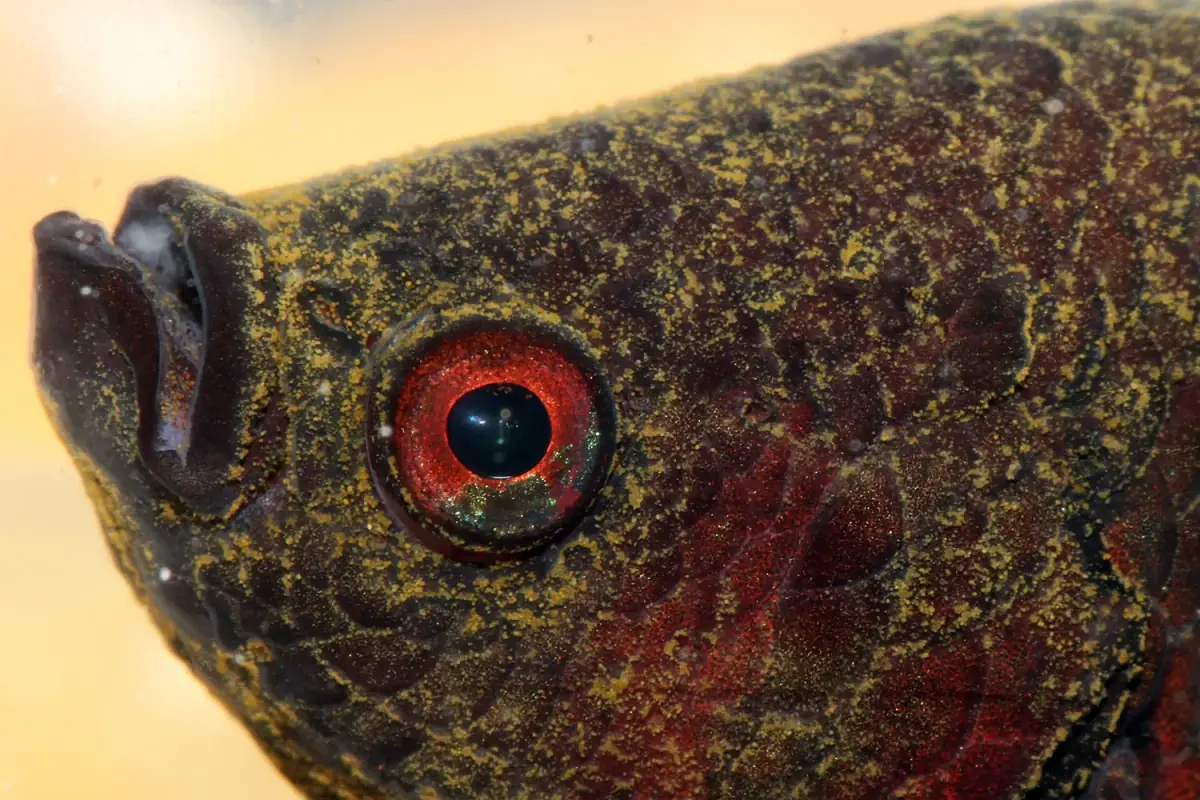
Velvet is a fast-moving parasite. Dropsy is a sign that something is seriously wrong inside the fish. How to recognize them, and what you can do.
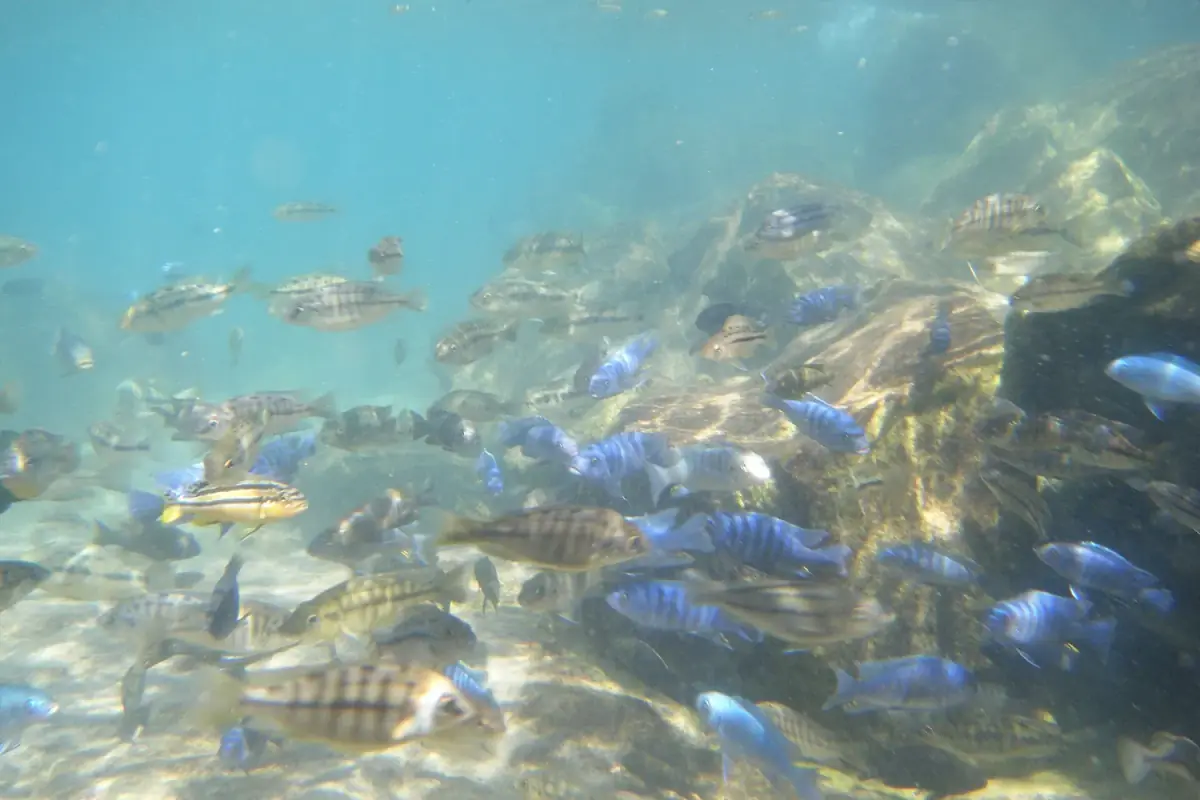
Two completely different aquariums: forest rivers with soft, brown water, roots and leaves, and Rift Valley lake cichlids in hard, alkaline water with big rock piles.
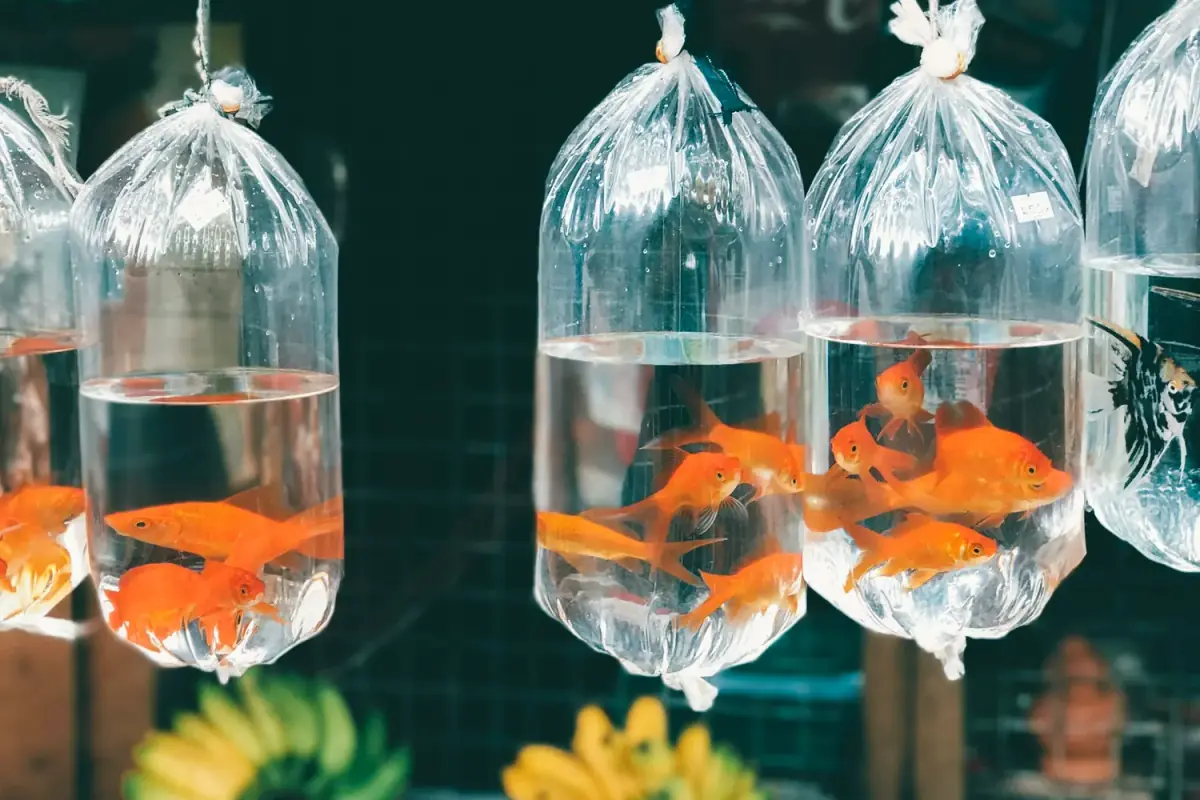
From the store to the tank: how to get the fish used to your water, why you should add only a few at a time, and what to watch for in the first few days.
Why new fish should live in a tank of their own for a few weeks before they move in, what you need, and what to look for.