Freshwater
Leporinus granti
Anostomidae
Anostomidae
Know what is missing? Suggest it in the app.
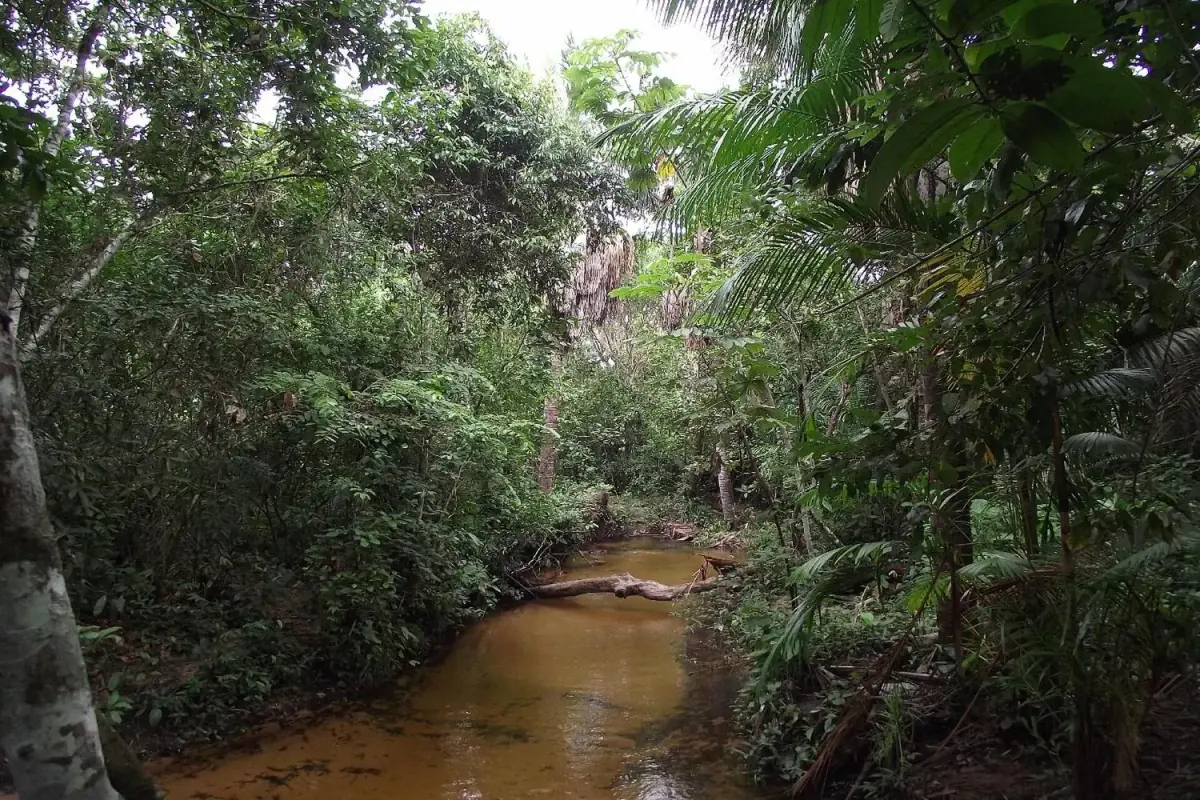
Adults occur in large numbers at the entrance of creeks where the bottom is sandy or muddy and the current is fast or slow. Juveniles occur in calm, shallow waters, in counter current zones or in the shelter of plants. Omnivorous. They possess enzymes which enable them to digest chitin, pectin, hemicellulose and mucopolysaccharides. Individuals are easily captured with hook and line with small hooks. Reproduction takes place from December to June. Distinct pairs breed on densely grown weedy places. Known among aquarists, this fish is considered turbulent in captivity.
Soft, acidic water, subdued light, sand, roots and fallen leaves: how to set up a biotope aquarium from the Amazon and the rivers around it.
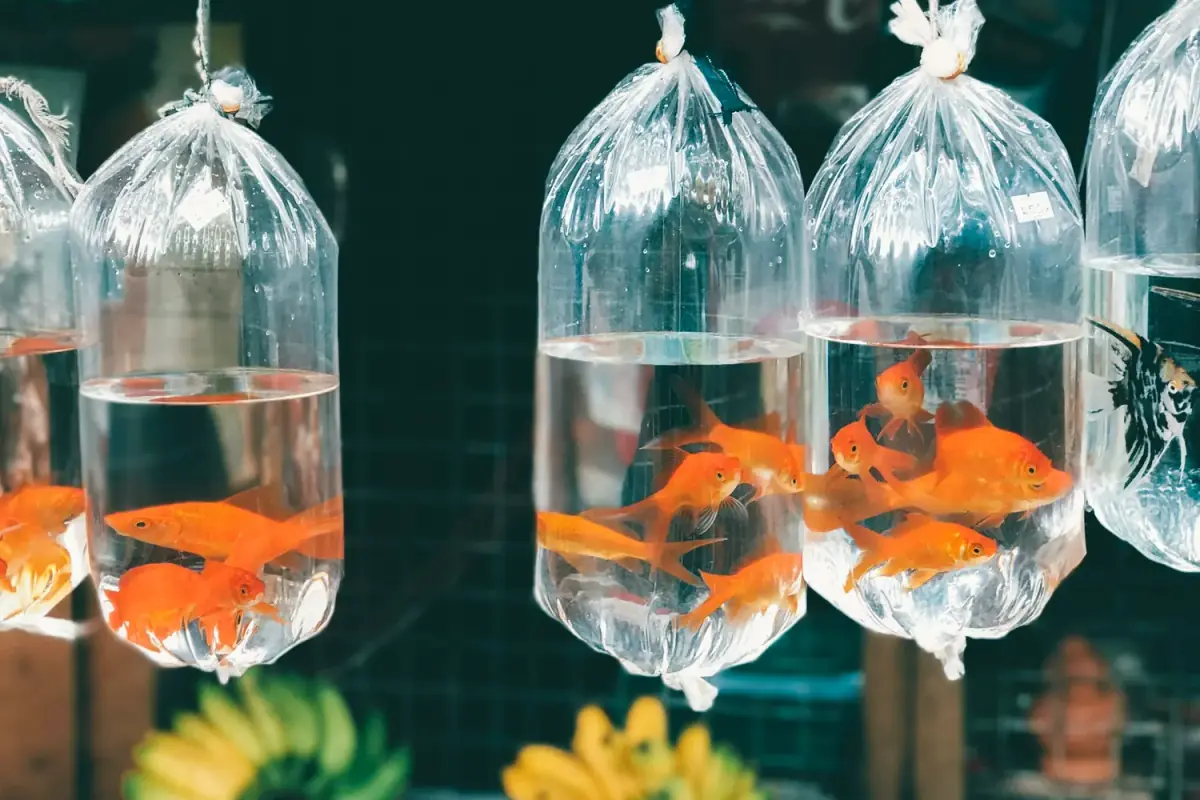
From the store to the tank: how to get the fish used to your water, why you should add only a few at a time, and what to watch for in the first few days.
Why new fish should live in a tank of their own for a few weeks before they move in, what you need, and what to look for.
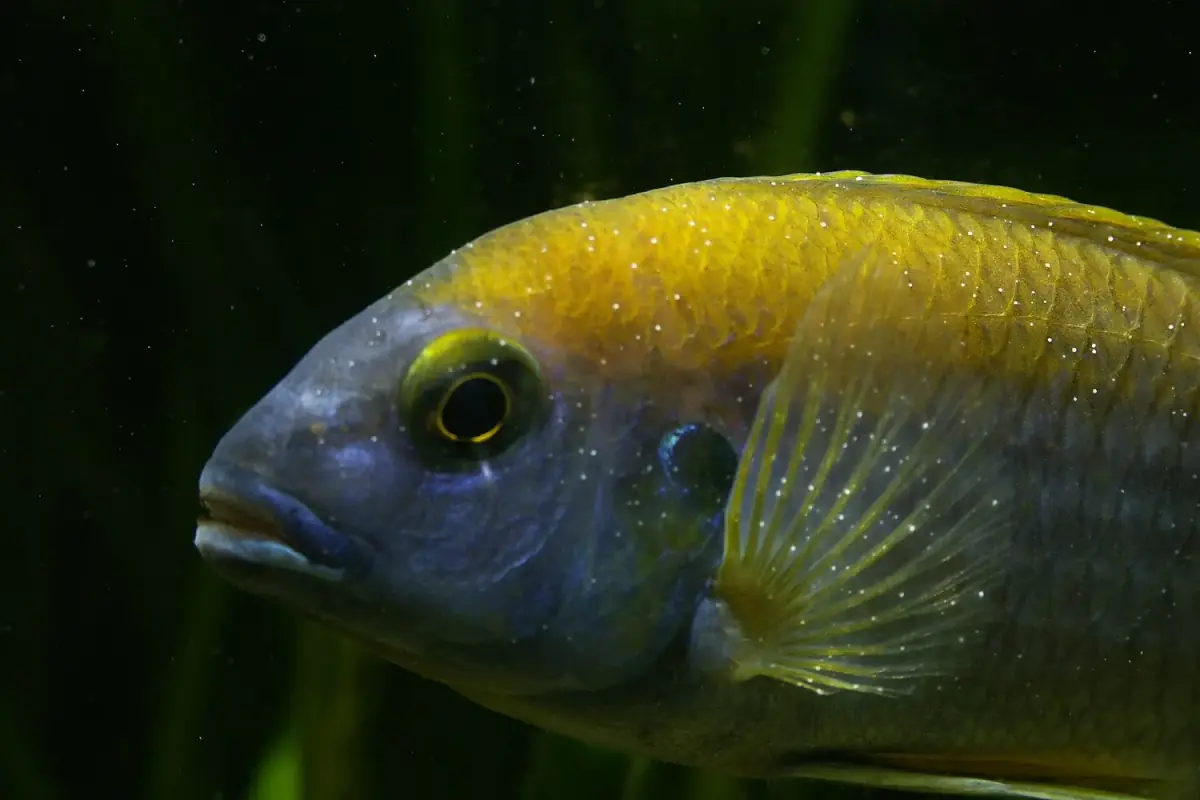
The most common disease in aquarium fish. How to recognize it, why it shows up, and how to get rid of it.