FreshwaterBrackish
Freshwater blenny
Salariopsis fluviatilis
Blenniidae, Blenniinae
Salariopsis fluviatilis
Blenniidae, Blenniinae
Know what is missing? Suggest it in the app.
Lives wild in Albania, Algeria, Bosnia & Herzegovina, Croatia, France, Greece, Israel, Italy, and 7 more countries.
Adults occur in rivers and brooks, in relatively shallow water as well as in low altitude lakes, on stone bottom; in streams, deepest and fastest microhabitats are preferred and sometimes coastal lagoons with low salinity. Reported from marine environment. A territorial species that lives up to 5 years. Adults feed on small benthic organisms, aquatic insects and pupae. Oviparous. Females spawn for the first time at the end of the first year and spawning lasts up to 3 years but with most females dying at the end of the first spawning year. One female spawns up to 1,200 eggs (usually 200-300) in a single layer under a large stone; spawns several egg portions during the season. On the other hand, the males clean, fan and defend the eggs until hatching. Several females may spawn with one male, which may guard the eggs at different stages of development. Eggs are demersal and adhesive; eggs hatch in about a week. Planktonic larvae until about 1.5 cm, are drifted to and remain in quiet pools or side arms of rivers. Populations are threatened due to pollution and water abstraction; most riverine populations affected by habitat alteration (especially siltation and alteration of stream morphology), and predation of exotic species. Presence of habitat suitable for the pelagic 'larval' stage downstream of spawning sites is a limiting factor; lacustrine population are apparently safer.
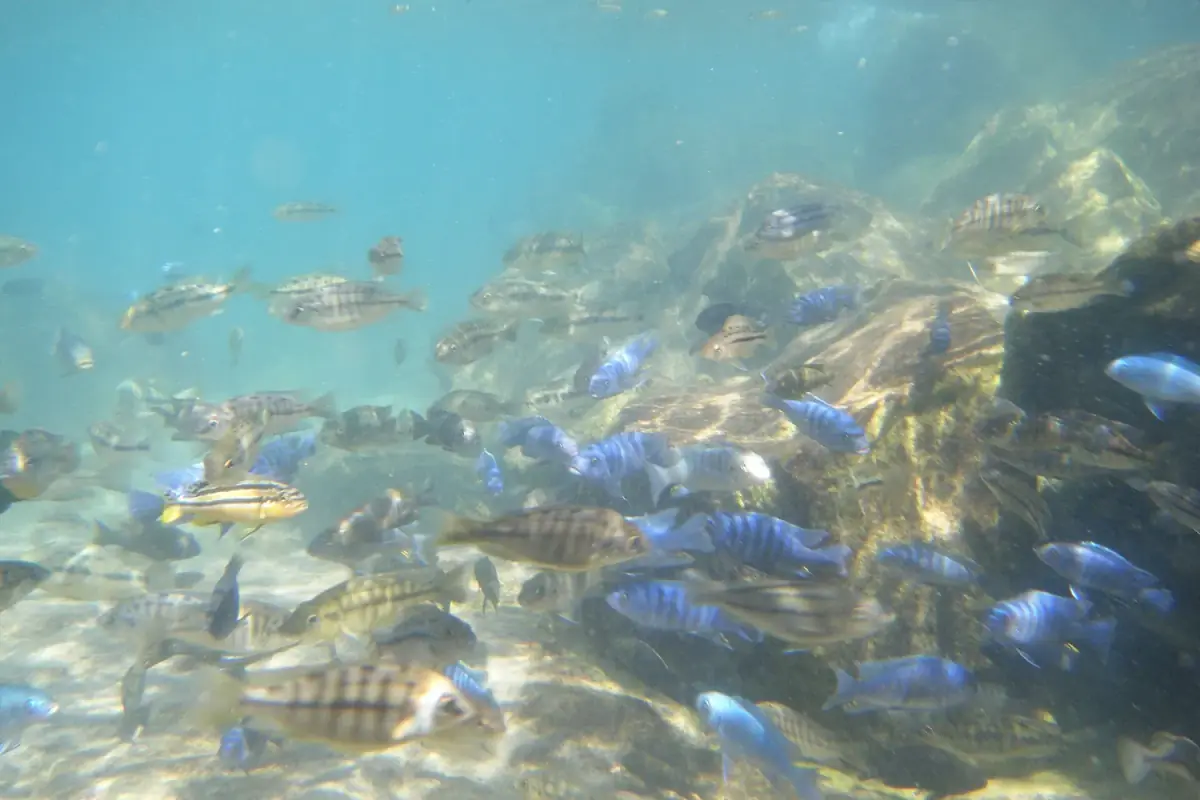
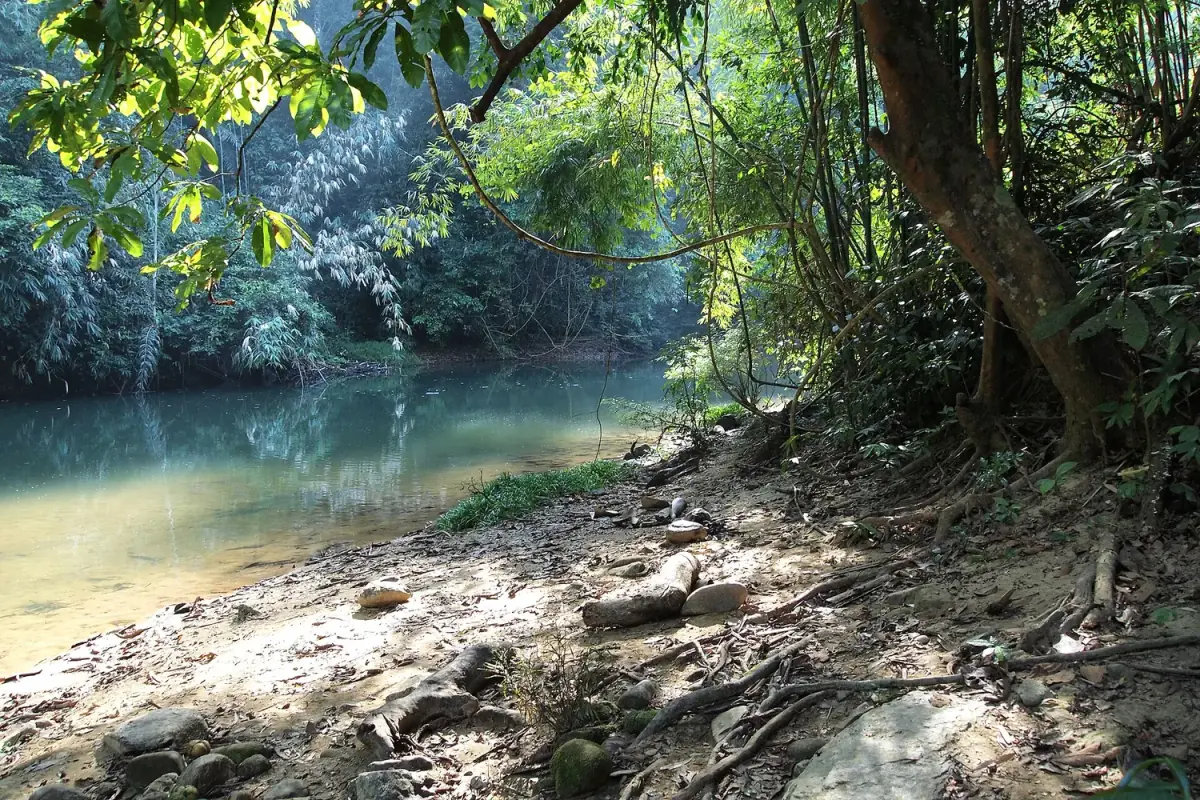
Two completely different aquariums: forest rivers with soft, brown water, roots and leaves, and Rift Valley lake cichlids in hard, alkaline water with big rock piles.
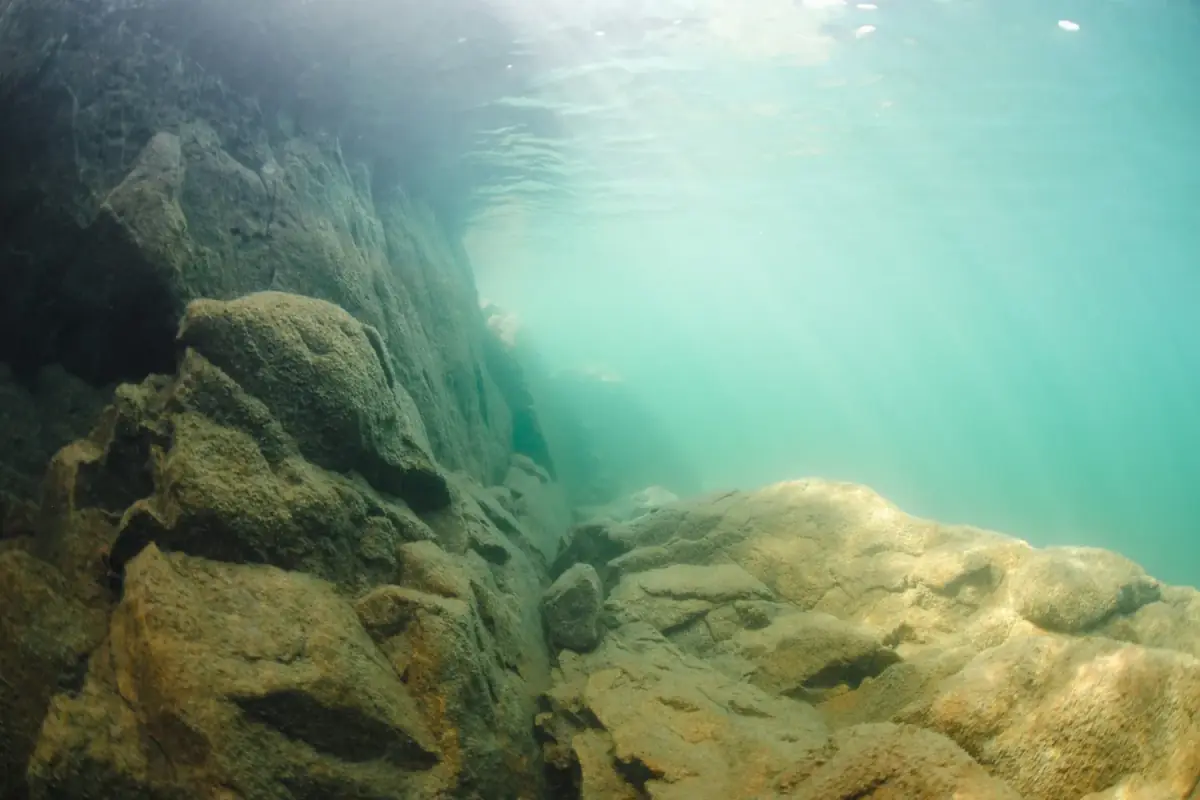
Two aquariums from Southeast Asia: calm forest streams and peat swamps with soft, brown water, and fast mountain streams with cool, oxygen-rich water.
A coldwater aquarium with European fish and plants, without a heater. The water follows the seasons, and summer heat is the biggest problem.
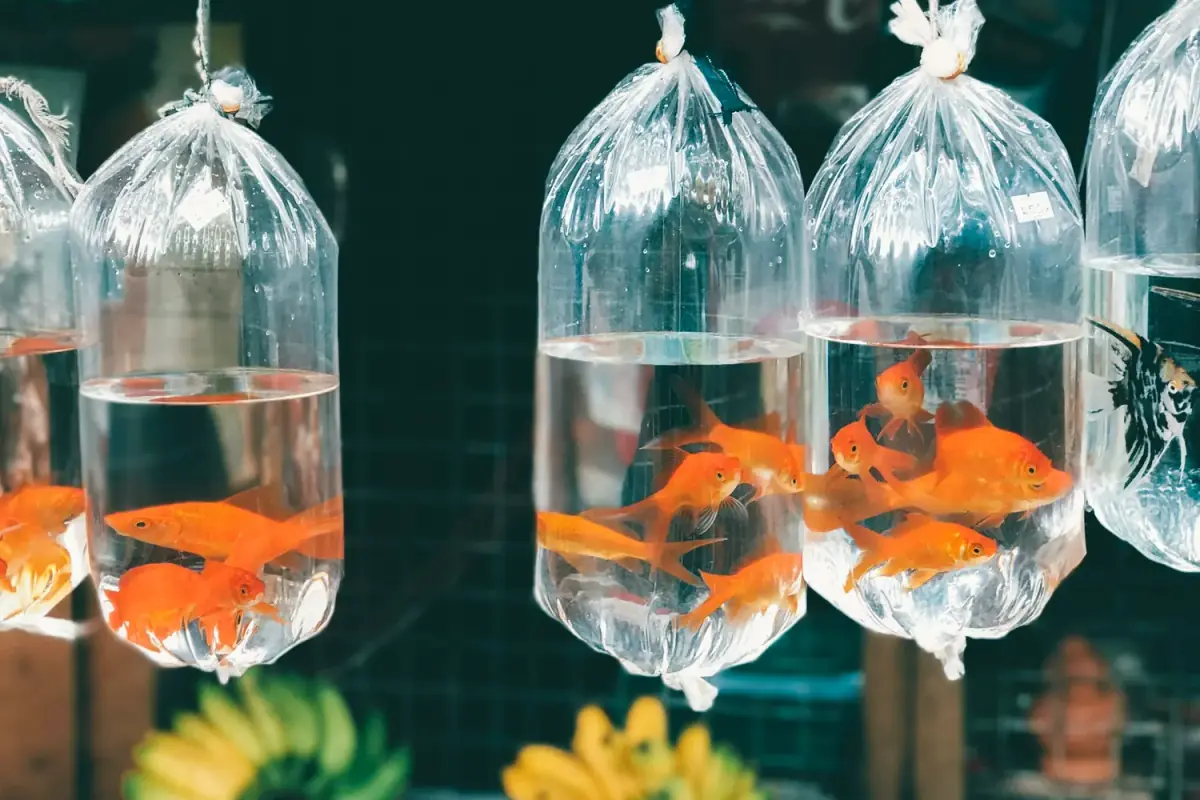
From the store to the tank: how to get the fish used to your water, why you should add only a few at a time, and what to watch for in the first few days.