Freshwater
African bonytongue
Heterotis niloticus
Arapaimidae
Heterotis niloticus
Arapaimidae
Know what is missing? Suggest it in the app.
Lives wild in Benin, Burkina Faso, Cameroon, Chad, Côte d’Ivoire, Ethiopia, Gambia, Ghana, and 8 more countries.
Introduced to Central African Republic, Congo - Brazzaville, Congo - Kinshasa, Gabon, Madagascar, and Togo.
Obligate air-breathing, able to survive in deoxygenated waters; the hardiness of this fish, together with its great growth rate make it a candidate for aquaculture in Africa and it has been transported to a number of countries for this purpose. Escapees from ponds into the wild resulted in established populations, which form the basis for fisheries. Maximum observed length in Lake Kainji: 100 cm, observed weight: 10000 g. Young found in swampy places among aquatic vegetation. Adults live in open water of rivers and lakes, in both the pelagic and littoral zone. Feeds on mud, phytoplankton, vegetable debris and small invertebrates. The only plankton-feeder of the Osteoglossidae. Suprabranchial organ has a sensory function and a mechanic function in concentrating little food particles. During breeding, mature adults create a circular nest in swamps. Young leave the nest after a few days and are guarded by the male.
Temperament, fin nippers, fish that eat other fish, and fish that need the same water. And what the Harmony mark in the app means.
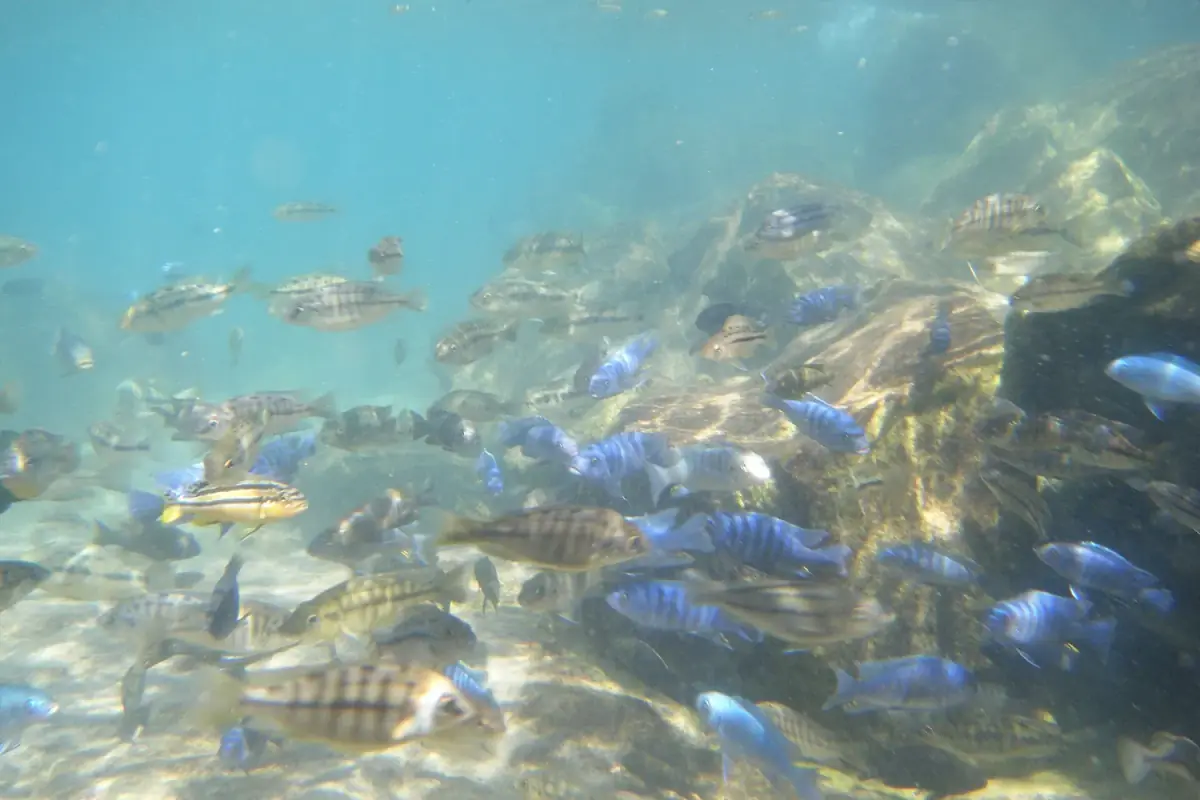
Two completely different aquariums: forest rivers with soft, brown water, roots and leaves, and Rift Valley lake cichlids in hard, alkaline water with big rock piles.
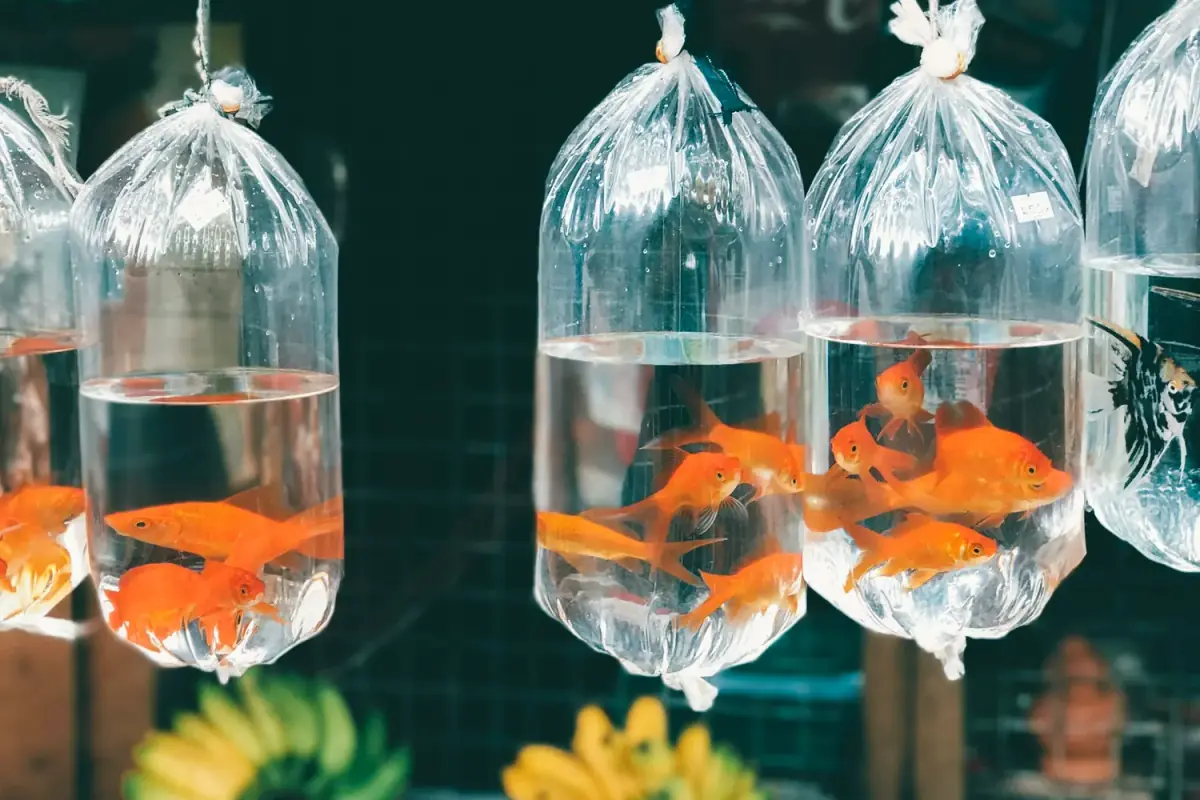
From the store to the tank: how to get the fish used to your water, why you should add only a few at a time, and what to watch for in the first few days.
Why new fish should live in a tank of their own for a few weeks before they move in, what you need, and what to look for.