Freshwater
Eastern mudminnow
Umbra pygmaea
Umbridae
Umbra pygmaea
Umbridae
Know what is missing? Suggest it in the app.
Know what is missing? Suggest it in the app.
Lives wild in United States.
Introduced to Belgium, Denmark, France, Germany, Netherlands, and Poland.
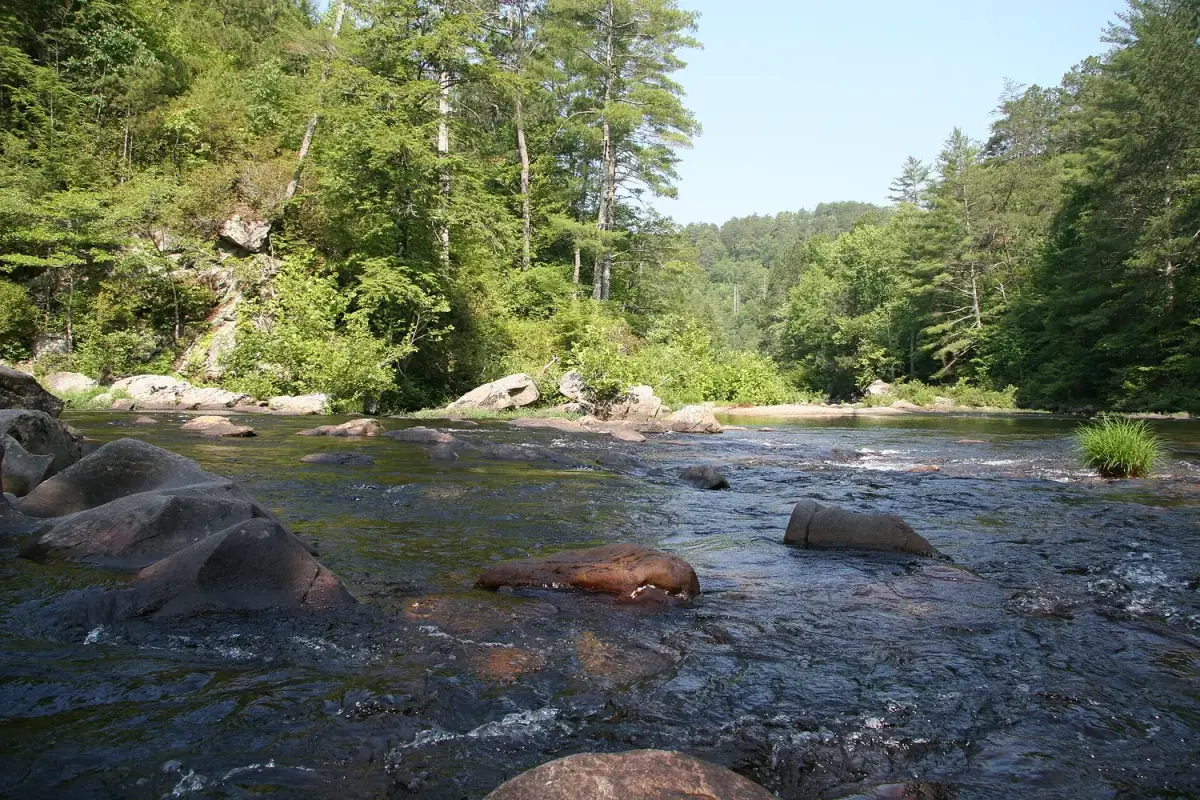
Inhabits quiet streams, sloughs, swamps and other wetlands over sand, mud and debris, often among dense vegetation. Juveniles also found among aquatic vegetation, often forming schools of 10-12 individuals. An introduced species in Europe which usually occurs in small isolated ponds and peat bogs. Oviparous, larvae remain in algal nest for about 6 days. Spawning takes place in April and May. Feeds on insect larvae, worms, mollusks, crustaceans alevins. Experimental studies show that this species can tolerate acidic environment, particularly, at ph values ranging from 4.0 to 7.0 where no mortality or significant changes in blood plasma osmolarity and haematocrit was observed.
Streams and ponds in North America are often cool. How to set up an aquarium without a heater, with pygmy sunfish, shiners and darters.
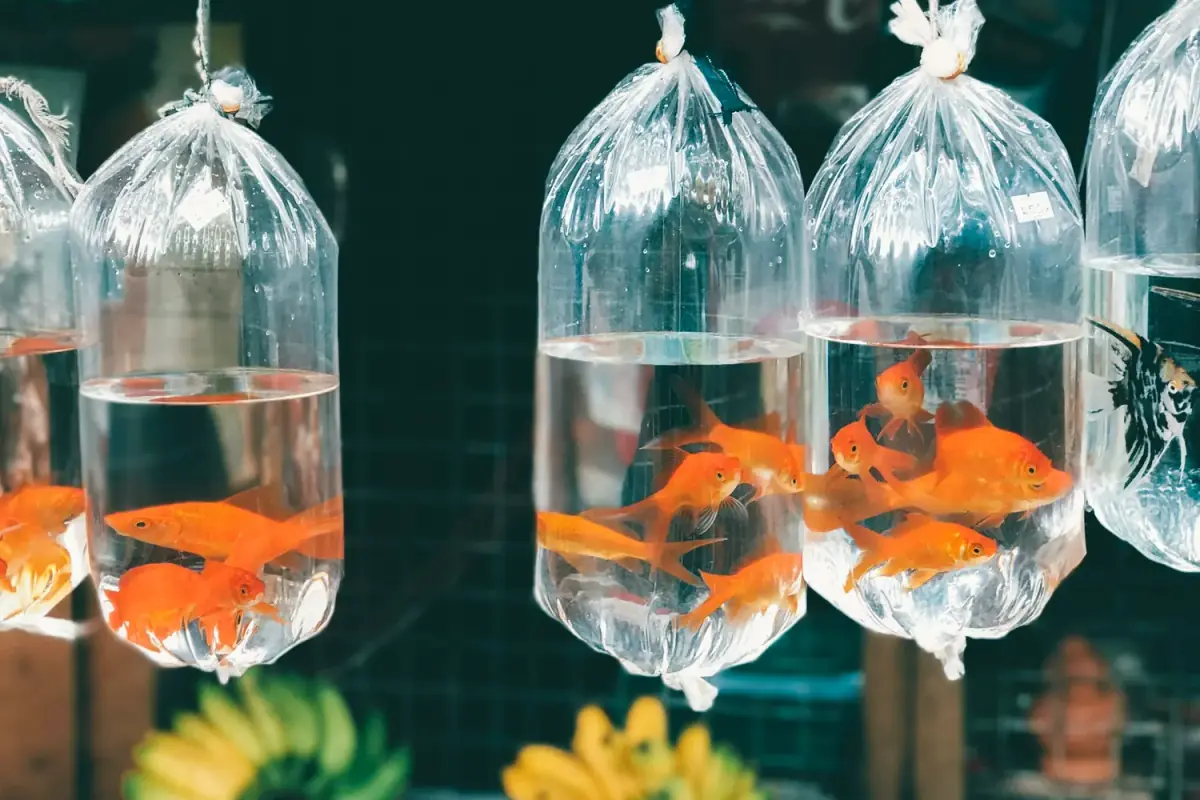
From the store to the tank: how to get the fish used to your water, why you should add only a few at a time, and what to watch for in the first few days.
Why new fish should live in a tank of their own for a few weeks before they move in, what you need, and what to look for.
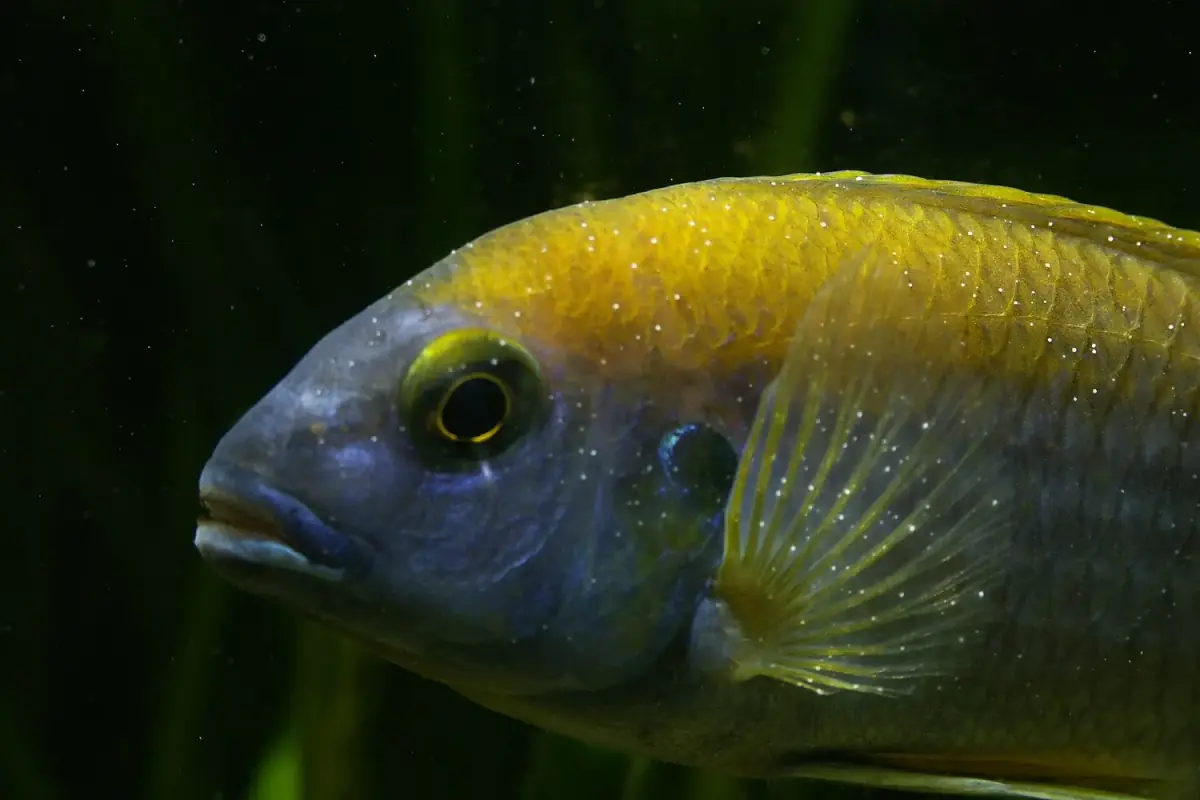
The most common disease in aquarium fish. How to recognize it, why it shows up, and how to get rid of it.